Quick questions? Email Us
Yam Dwar – The Sacred Gateway to Mount Kailash

Yam Dwar – The Sacred Gateway to Mount Kailash

Damodar Dhakal
Mission Nepal May 27. 2026 • 6 min read

Nestled in the breathtaking landscapes of western Tibet, Yam Dwar is one of the most spiritually significant landmarks of the Kailash Mansarovar Yatra. Known as the “Gateway of Salvation” or the “Gateway of the God of Death,” Yam Dwar marks the sacred entrance to the holy Mount Kailash Parikrama.

For thousands of pilgrims who journey to the heavenly abode of Lord Shiva, crossing Yam Dwar symbolizes leaving behind worldly attachments and stepping onto a path of spiritual purification, rebirth, and enlightenment. Revered by Hindus, Buddhists, Jains, and followers of the Bon religion, Yam Dwar is much more than a physical gateway — it is a spiritual portal between the earthly and divine realms.

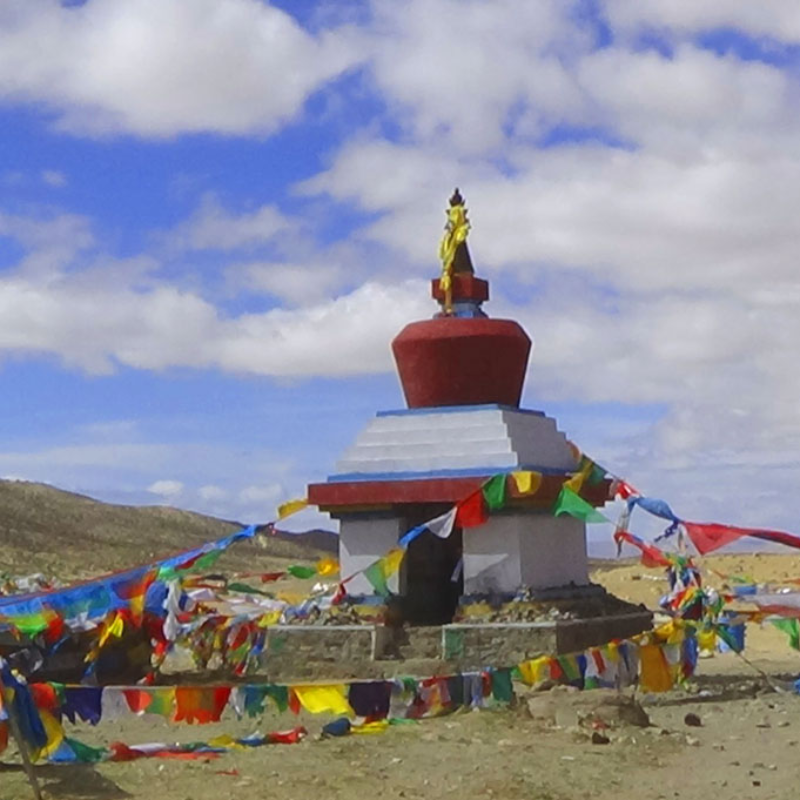
Yama Dwar shrine with colorful prayer flags on the Mount Kailash Kora trail in Tibet.
Sacred Yama Dwar, the spiritual gateway marking the beginning of the Mount Kailash Kora.

Meaning of Yam Dwar

The name “Yam Dwar” comes from two Sanskrit words:

  • Yam (Yama) – the Hindu God of Death
  • Dwar – meaning gate or doorway

Together, Yam Dwar means:

The Gateway of the God of Death

According to Hindu beliefs, Yama is responsible for judging human deeds after death. It is believed that by passing through Yam Dwar with devotion and purity, pilgrims symbolically cleanse themselves of sins and prepare their souls for spiritual liberation.

Many devotees also believe that Chitragupta, the divine accountant of Yama, erases one’s sins from the karmic records when pilgrims cross this sacred gateway with sincere faith.

Location of Yam Dwar

Yam Dwar is located near Darchen in the Ngari region of Tibet, at the foothills of the sacred Mount Kailash.

  • Altitude: Approximately 4,724 meters
  • Distance from Darchen: Around 7 km
  • Region: Tarboche, Tibet Autonomous Region

The site serves as the official starting point of the famous Kailash Kora (Parikrama), the sacred circumambulation around Mount Kailash.

Surrounded by snow-capped mountains, vast Tibetan plateaus, fluttering prayer flags, and dramatic Himalayan scenery, Yam Dwar creates an atmosphere filled with mystery and spirituality.

Yama Dwar stupa with Mount Kailash rising in the background on the sacred pilgrimage route.
Sacred Yama Dwar standing before the majestic north face of Mount Kailash in Tibet.

Spiritual Significance of Yam Dwar

Yam Dwar in Hinduism

For Hindus, Yam Dwar represents the symbolic gateway to the divine abode of Lord Shiva. Crossing the gate signifies:

  • Leaving behind ego and worldly desires
  • Purifying the soul
  • Beginning a spiritual journey toward liberation (moksha)

Pilgrims pass through Yam Dwar before beginning the sacred Kailash Parikrama, believing that the journey cleanses negative karma accumulated over lifetimes.

Yam Dwar in Buddhism

Tibetan Buddhists call Yam Dwar Tarboche, a sacred place associated with rebirth and spiritual transformation.

The massive prayer flagpole at Tarboche symbolizes the cycle of life, death, and rebirth. Buddhists believe the site is blessed by Guru Rinpoche (Padmasambhava), making it an important spiritual destination.

Yam Dwar in Jainism

Jains believe Mount Kailash is linked to Ashtapada, where the first Tirthankara, Rishabhdev, attained liberation. Therefore, Yam Dwar also holds importance as the spiritual gateway to enlightenment.

In the Bon Religion

Followers of the ancient Bon religion regard Yam Dwar as a sacred cosmic gateway connecting the material and spiritual worlds.

Yam Dwar/Tarboche and the Sacred Prayer Flag Festival

The Tibetans refer to Yam Dwar as Tarboche, famous for its enormous prayer flagpole.

Every year during the full moon of the fourth Tibetan lunar month, Tibetans gather at Tarboche to celebrate the sacred Saga Dawa Festival — one of the most important festivals in Tibetan Buddhism.

During this festival:

  • A new prayer flagpole is erected
  • Pilgrims perform clockwise circumambulation
  • Monks chant prayers
  • Conches, drums, and horns fill the air with spiritual energy

Thousands of devotees from across Tibet gather here to celebrate Buddha’s enlightenment and spiritual awakening.

The Journey from Yam Dwar to Mount Kailash

The Kailash Parikrama officially begins at Yam Dwar and traditionally takes three days to complete.

Day 1: Yam Dwar to Dirapuk

  • Distance: Approx. 12 km
  • Highlights:
    • Stunning views of Mount Kailash’s north face
    • Trek through beautiful Tibetan valleys
    • Overnight stay at Dirapuk Monastery

Day 2: Dirapuk to Zuthulpuk via Dolma La Pass

  • Distance: Approx. 22 km
  • Highest Point: Dolma La Pass (5,645 m)

This is the most challenging day of the trek to Zuthulpuk. Pilgrims cross Dolma La Pass and pass by the sacred Gauri Kund, associated with Goddess Parvati.

Day 3: Zuthulpuk to Darchen

  • Distance: Approx. 12 km
  • Easier downhill trek
  • Completion of the sacred Kailash Kora

Pilgrims often describe the journey as physically demanding but spiritually life-changing after returning to Darchen.

Mysteries of the Prayer Flags at Yam Dwar

One of the most fascinating aspects of Yam Dwar is the mysterious prayer flags fluttering around the gateway.

Many pilgrims report strange experiences such as:

  • Prayer flags moving without wind
  • Sudden fading or disappearance of flags
  • Whisper-like sounds carried by the mountain winds

Locals and monks consider these phenomena signs of spiritual energy and divine presence around Mount Kailash.

Things to Do at Yam Dwar

Offer Prayers and Chant Mantras

Pilgrims chant sacred mantras such as:

“Om Namah Shivaya” , “Om Mani Padme Hum”

Tie Prayer Flags

Devotees tie colorful Tibetan prayer flags carrying wishes, prayers, and blessings.

Perform Prostrations

Many Tibetan Buddhists perform full-body prostrations as acts of humility and devotion.

Participate in Rituals

Monks, sadhus, and pilgrims conduct sacred ceremonies involving incense, prayers, and spiritual offerings.

Challenges of Visiting Yam Dwar

Due to its high altitude and remote location, visiting Yam Dwar can be physically demanding.

Common Challenges:

  • High altitude sickness (AMS)
  • Low oxygen levels
  • Freezing temperatures
  • Strong winds
  • Rocky terrain
  • Limited medical facilities

Pilgrims are strongly advised to:

  • Acclimatize properly
  • Stay hydrated
  • Travel with experienced guides
  • Carry warm clothing and medicines

Best Time to Visit Yam Dwar

The ideal time to visit Yam Dwar is between:

May to September

During these months:

  • Weather is relatively stable
  • Roads and trekking routes remain accessible
  • Pilgrimage festivals take place
  • Daytime temperatures are milder

Travel during winter months is generally not recommended due to heavy snowfall and extreme cold.

How to Reach Yam Dwar

By Road

Most pilgrims travel from Kathmandu, Nepal through:

Final Thoughts

Yam Dwar is not merely a gate — it is a deeply spiritual threshold where pilgrims begin one of the most sacred journeys on Earth. Standing beneath the fluttering prayer flags with Mount Kailash rising majestically in the background, devotees experience a profound sense of surrender, humility, and divine connection.

Whether you seek spiritual awakening, inner peace, or the blessings of Lord Shiva, crossing Yam Dwar becomes a transformative moment that remains etched in the heart forever.