
Bon Religion in Tibet: History of the Bön Kangyur and Tengyur

Activities Highlights



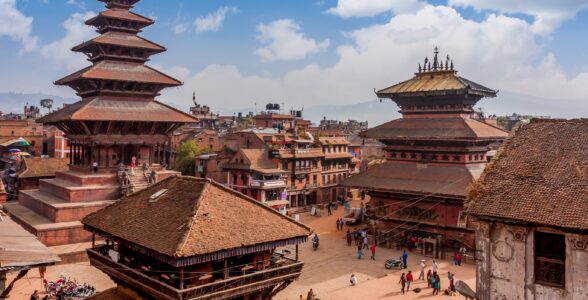
The Bon religion of Tibet, also known as Yungdrung Bön, is one of the oldest spiritual traditions in the Himalayan region. Long before Tibetan Buddhism assimilated across Tibet, Bon existed as a rich system of rituals, meditation, cosmology, and sacred teachings. Today, the Bon religion remains an important part of Tibetan culture and spiritual heritage, preserved through monasteries, scriptures, and oral traditions.
Among the greatest treasures of the Bon religion are the sacred scriptures known as the Bön Kangyur and Tengyur. These collections form the canonical foundation of Bon philosophy, rituals, meditation, ethics, and spiritual knowledge. Like the Tibetan Buddhist canon, the Bon canon is divided into two main parts: the Kangyur, containing the teachings of Tonpa Shenrab, and the Tengyur, containing commentaries and scholarly explanations.
Origins of the Bon Religion in Tibet
According to Bon tradition, the Bon religion originated in the ancient kingdom of Zhang Zhung, near Mount Kailash in western Tibet. Bon followers believe the teachings were introduced by Tonpa Shenrab Miwo, the enlightened founder of the Bon religion.
Tonpa Shenrab is considered the Buddha of the Bon tradition and is believed to have lived long before the historical Buddha Shakyamuni. His teachings focused on compassion, morality, spiritual liberation, and harmony between humans and nature. Through his journeys across Tibet and neighboring Himalayan regions, he spread the spiritual foundations of the Bon religion.
Scholars describe Bon as Tibet’s indigenous spiritual system that later evolved alongside Tibetan Buddhism. Over centuries, Bon absorbed philosophical influences while preserving ancient Tibetan rituals, cosmology, and sacred practices.
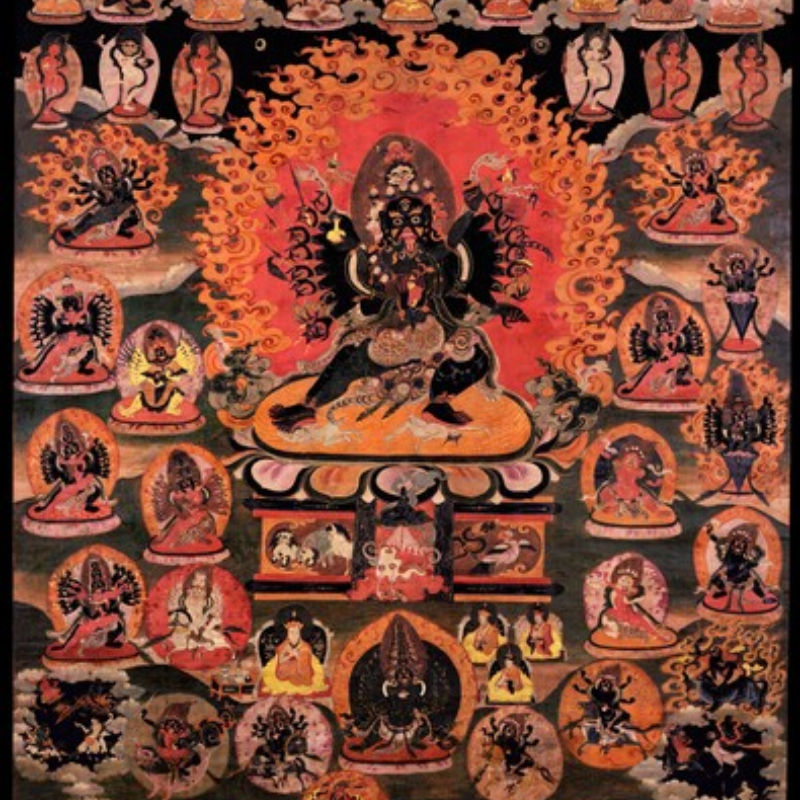
The Bön Kangyur and Tengyur
The Bön Kangyur and Tengyur are the most important scriptural collections in the Bon religion. These texts are believed to have originally been translated from the ancient Zhang Zhung language into Tibetan.
The two collections are:
- Bön Kangyur (bKa’-’gyur) – “Translated Words”
- Bön Tengyur (bsTan-’gyur) – “Translated Treatises”
Together, these texts preserve the spiritual wisdom, meditation teachings, rituals, philosophy, and sacred traditions of Tibet’s Bon religion.
The Bön Kangyur
The Bön Kangyur contains the direct teachings attributed to Tonpa Shenrab. The collection consists of approximately 179 volumes and covers every major aspect of Bon spiritual life.
Main Sections of the Bön Kangyur
1. Sutra (mdo): The sutra section teaches ethics, compassion, discipline, and virtuous living. These teachings guide practitioners toward spiritual awakening and moral conduct.
2. Perfection of Wisdom (‘bum): These texts explain profound philosophical teachings related to emptiness, awareness, and enlightenment.
3. Tantra (rgyud): The tantra section contains sacred rituals, mantras, deity practices, meditation systems, and esoteric teachings central to Bon spiritual practice.
4. Higher Knowledge (mdzod): This section focuses on advanced meditation and mystical teachings, including Dzogchen, or the “Great Perfection,” one of the highest teachings in the Bon religion. The Bön Kangyur preserves not only spiritual teachings but also Tibet’s ancient ritual traditions, cosmology, mythology, and sacred symbolism.
The Bön Tengyur
The Bön Tengyur contains commentaries, explanations, and scholarly writings composed by Bon masters throughout Tibetan history. It expands upon the teachings found in the Bön Kangyur.
Contents of the Bön Tengyur
The Tengyur includes:
- Philosophical commentaries
- Ritual manuals
- Meditation instructions
- Biographies of Bon masters
- Medical and astrological texts
- Logic and poetry
- Monastic discipline
- Tantric explanations and liturgies
The Bön Tengyur demonstrates the sophisticated intellectual tradition of the Bon religion and its deep connection with Tibetan culture and philosophy.
Preservation of Bon Scriptures in Tibet
Throughout Tibetan history, the Bon religion faced periods of persecution, especially after the spread of Buddhism in Tibet. Many Bon scriptures were hidden as sacred terma or treasure texts to protect them from destruction. These hidden texts were later rediscovered by spiritual masters called tertöns.
One of the most influential figures in preserving the Bon tradition was Shenchen Luga, who rediscovered important Bon scriptures during the 10th and 11th centuries. His work helped revive the Bon religion and contributed to the compilation of the Bön Kangyur and Tengyur.
The three major treasure traditions in Bon are:
- Northern Treasure
- Central Treasure
- Southern Treasure
These sacred texts played a major role in preserving Tibetan Bon teachings for future generations.
Importance of the Bon Religion in Tibetan Culture
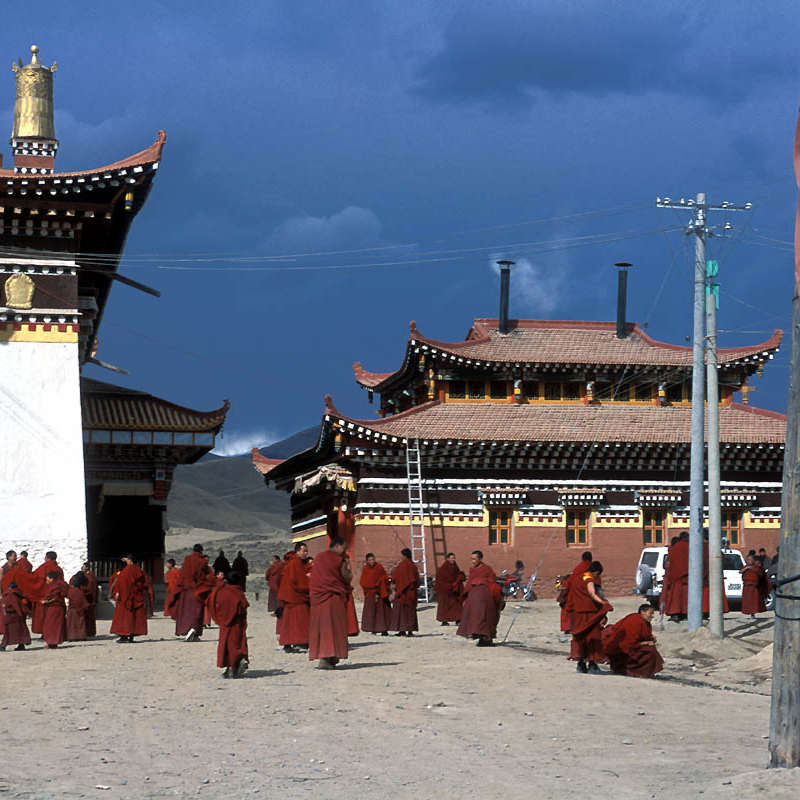
The Bon religion remains deeply connected to Tibetan identity, spirituality, and cultural heritage. Bon monasteries continue to preserve ancient rituals, meditation systems, sacred music, art, medicine, and astrology.
The Bön Kangyur and Tengyur are more than religious texts; they are historical records of Tibet’s spiritual civilization. They preserve centuries of Tibetan wisdom, philosophy, mythology, and religious practice.
Today, Bon monasteries exist in Tibet, Nepal, and India, especially at Menri Monastery, which remains one of the most important centers of Bon learning and practice.

Conclusion
The Bon religion of Tibet is one of the world’s oldest spiritual traditions. Rooted in the ancient kingdom of Zhang Zhung and centered around the teachings of Tonpa Shenrab, Bon developed into a profound system of philosophy, meditation, ritual, and spiritual wisdom.
The Bön Kangyur and Tengyur are among Tibet’s greatest religious treasures. These sacred scriptures preserve the teachings, rituals, commentaries, and philosophical knowledge of the Bon religion across centuries.
Despite historical persecution and political challenges, the Bon religion continues to survive and flourish, keeping alive the ancient spiritual heritage of Tibet for future generations.
Further Reading:
1. The Nine Ways of Bon — David L. Snellgrove
2. Bon: The Magic Word — Samten G. Karmay
3. The Bon Religion of Tibet: The Iconography of a Living Tradition — Per Kværne
4. Heart Drops of Dharmakaya — Shardza Tashi Gyaltsen