
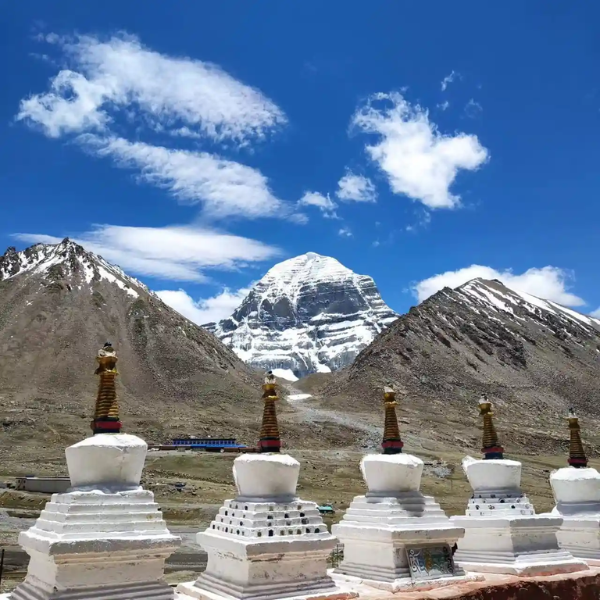
Mount Kailash: The Sacred Four Faces of the Universe

Activities Highlights

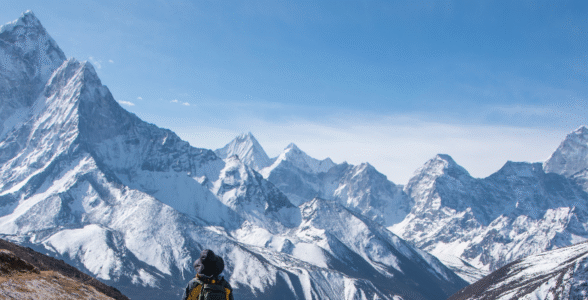
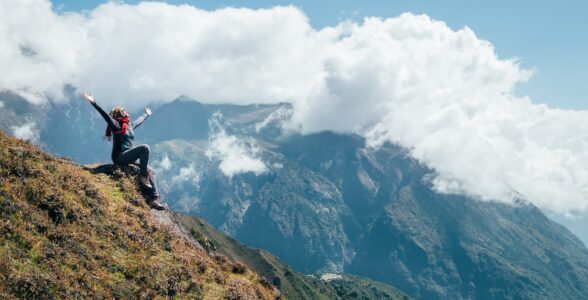
Mount Kailash is not just a mountain—it is a divine masterpiece, a spiritual axis, and a symbol of cosmic balance. Standing tall at 6,638 meters in the remote region of western Tibet, this sacred peak is revered by millions across Hinduism, Buddhism, Jainism, and Bon. What makes Kailash truly unique is its four perfectly aligned faces, each representing a direction, a spiritual meaning, and a divine energy.
For pilgrims and travelers alike, a journey to Kailash is not just physical—it is deeply spiritual, emotional, and transformative.
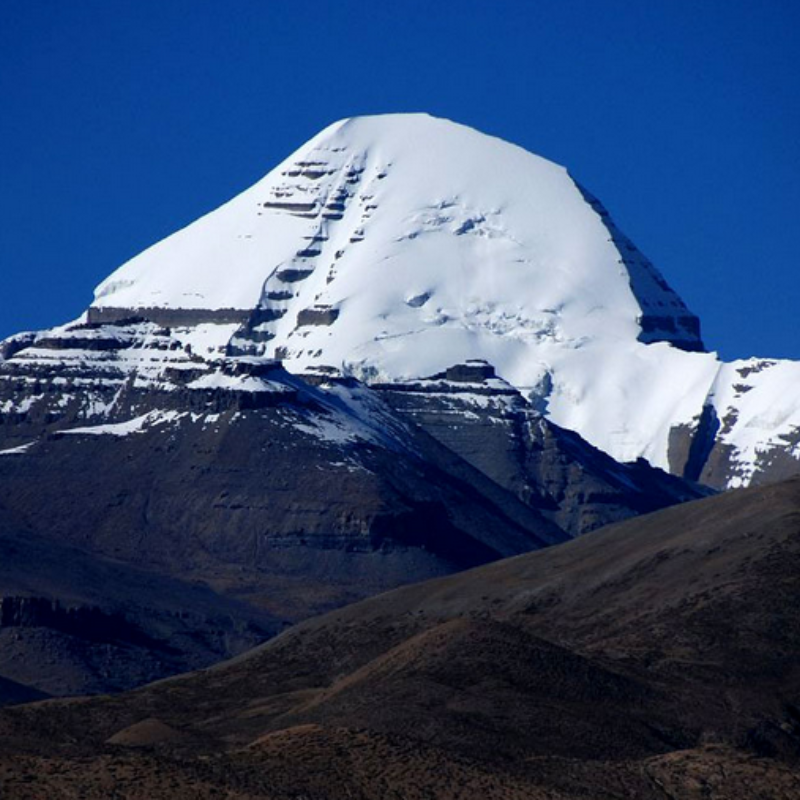
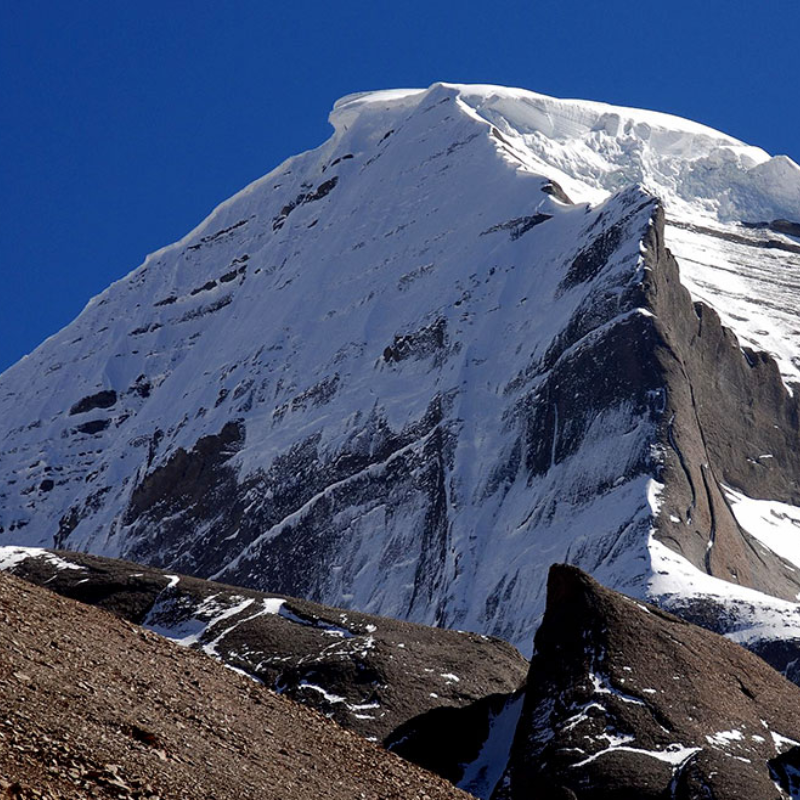
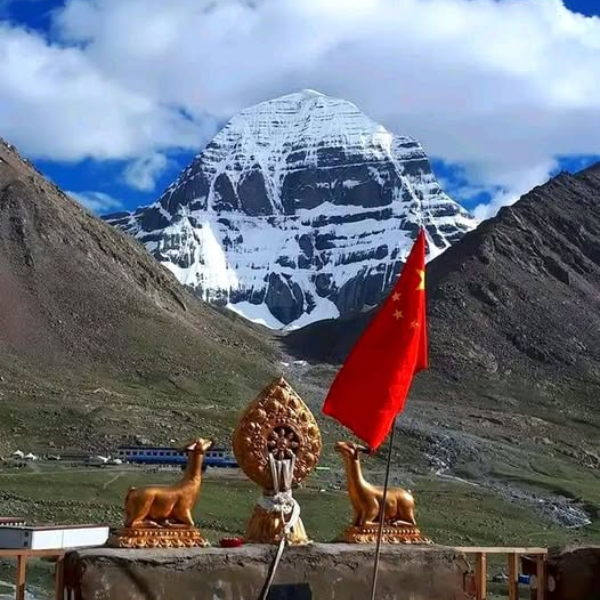
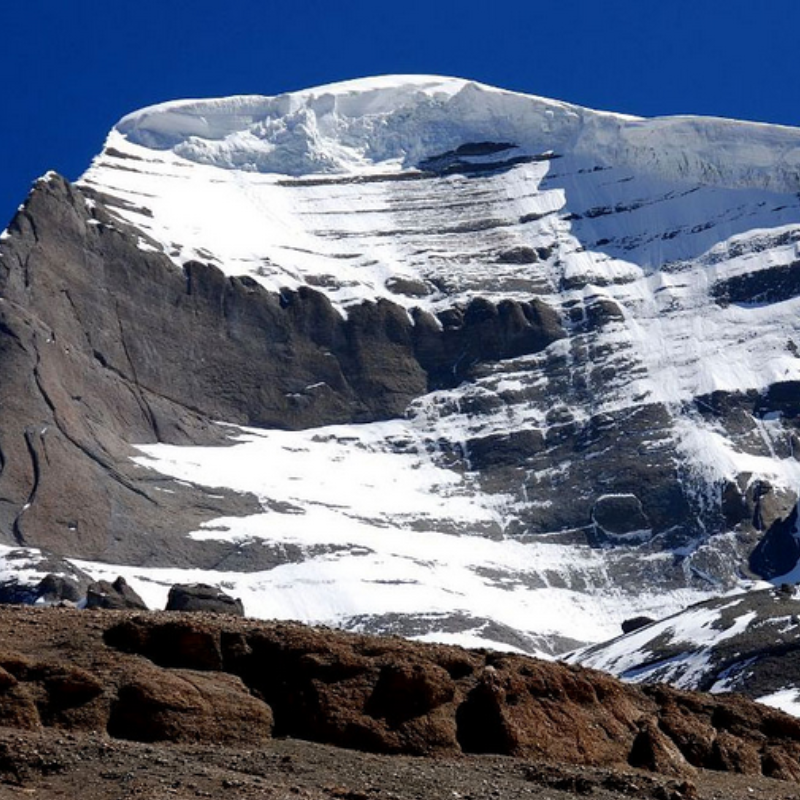
This face represents deep spiritual insight and ultimate awakening.
Why Mount Kailash is More Than a Mountain
Mount Kailash is often described as a “living temple of the universe”, shaped naturally yet appearing almost perfectly symmetrical like a pyramid.
- It aligns with the four cardinal directions
- It is believed to be the center of the universe (Mount Meru)
- Four major rivers originate from this region
- It remains unclimbed due to its sacred status
This combination of geological wonder and spiritual significance makes Kailash one of the most mysterious places on Earth.
Spiritual Importance of Mount Kailash Across Four Religions
Mount Kailash holds profound spiritual significance across multiple religious traditions, each offering its own interpretation while converging on the idea of enlightenment and liberation. In Hinduism, it is regarded as the sacred abode of Lord Shiva, with each of its four faces symbolizing different aspects of his divine presence and power.
In Buddhism, the mountain is known as Kang Rinpoche, or “Precious Snow Jewel,” and is believed to represent the cosmic center of the universe, with protective deities guarding each cardinal direction.
Jainism reveres it as Ashtapad, the site where the first Tirthankara is believed to have attained moksha, or liberation from the cycle of rebirth.
In the Bon religion, one of the oldest spiritual traditions of Tibet, Mount Kailash is seen as a cosmic pillar that harmonizes the realms of earth, heaven, and human existence. Despite their unique perspectives, all four traditions recognize Kailash as a sacred path leading toward spiritual awakening and ultimate liberation.
The Kailash Mansarovar Yatra Experience
During the sacred Kailash Parikrama (Kora), pilgrims experience all four faces in sequence:
- Day 1: South and West Faces
- Day 2: North Face (highlight of the journey)
- Day 3: East Face
Each step of the journey symbolizes a deeper connection—from faith to realization.
Final Thoughts: A Journey Beyond Words
Mount Kailash is not just about reaching a destination—it is about experiencing transformation. Every face tells a story, every direction holds meaning, and every moment brings you closer to something greater than yourself.
For those seeking spirituality, adventure, or inner peace, Kailash offers an experience that is truly beyond words.
Contact Mission Nepal Holidays to book your Kailash Yatra