
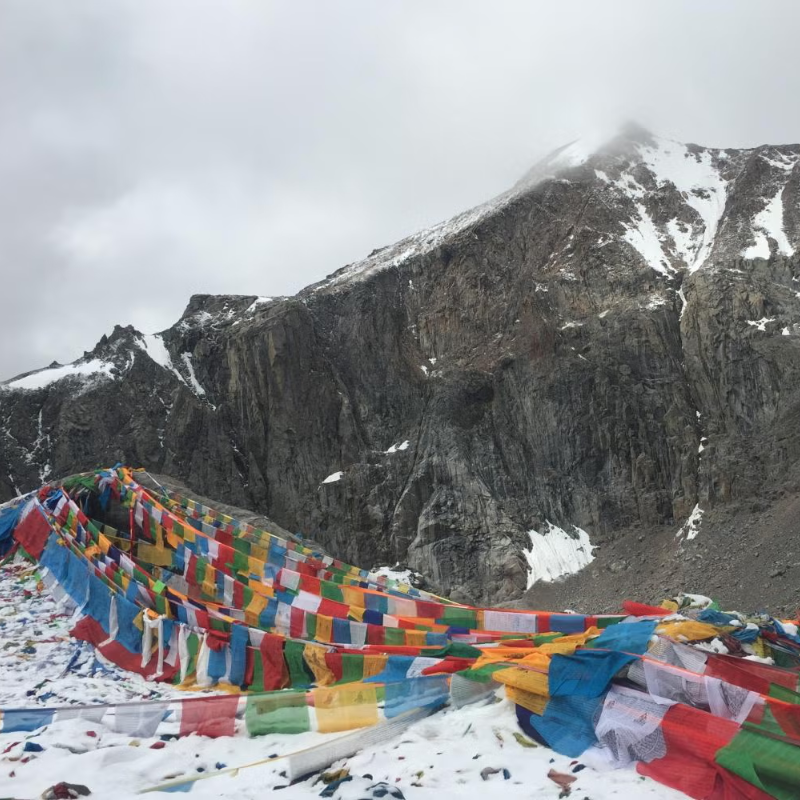
Dolma La Pass – The Most Sacred and Challenging Part of the Mount Kailash Kora

Activities Highlights
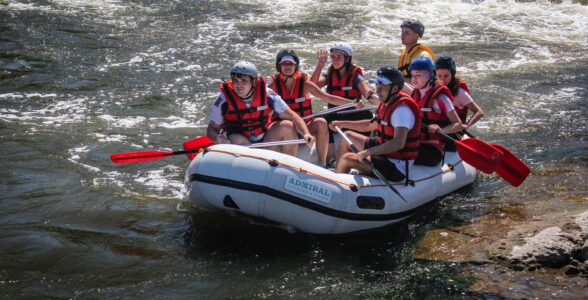
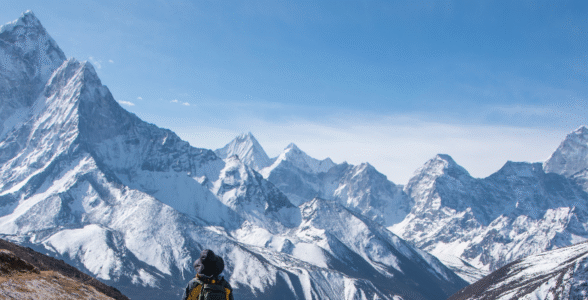
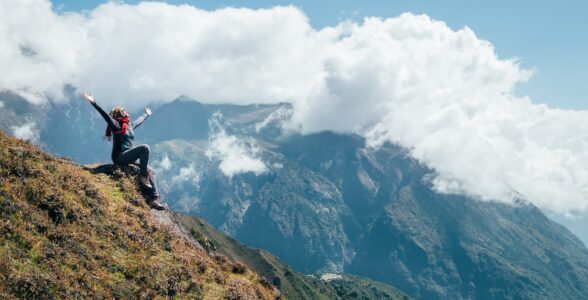
Among all the spiritual landmarks of the Mount Kailash Kora, none is more legendary, challenging, and spiritually transformative than Dolma La Pass. Rising to an altitude of approximately 5,630 meters (18,471 feet), Dolma La Pass is the highest point of the sacred Mount Kailash Parikrama and the most difficult section of the entire pilgrimage circuit around Mount Kailash.
For pilgrims undertaking the holy Kailash Mansarovar Yatra, crossing Dolma La Pass symbolizes death, rebirth, purification, and spiritual liberation. The steep ascent, thin oxygen, harsh weather, sacred prayer flags, and divine atmosphere make Dolma La Pass one of the most unforgettable experiences in Tibet.
Whether you are a spiritual pilgrim, trekker, or adventure seeker, the journey through Dolma La Pass becomes a life-changing experience that tests both physical endurance and spiritual devotion.
What is Dolma La Pass?
Dolma La Pass is the highest mountain pass on the sacred Mount Kailash Kora, located north of Mount Kailash in Tibet. It lies between Dirapuk Monastery and Zuthulpuk Monastery, forming the most difficult yet spiritually rewarding section of the three-day Mount Kailash trek.
The pass stands at an elevation between 5,630 and 5,643 meters, where oxygen levels become extremely low, temperatures drop rapidly, and trekking conditions become very challenging.
For pilgrims, however, crossing Dolma La Pass is far more than a physical achievement — it is considered a sacred spiritual rebirth.
Dolma La Pass and the Mount Kailash Kora
The famous Mount Kailash Kora is a sacred 52-kilometer pilgrimage route around Mount Kailash, revered by:
- Hindus
- Buddhists
- Jains
- Bon practitioners
Pilgrims believe that completing the kora washes away sins accumulated over lifetimes and leads toward spiritual enlightenment.
The second day of the kora, which includes crossing Dolma La Pass, is widely regarded as the climax of the pilgrimage.
Kailash Kora Route via Dolma La Pass
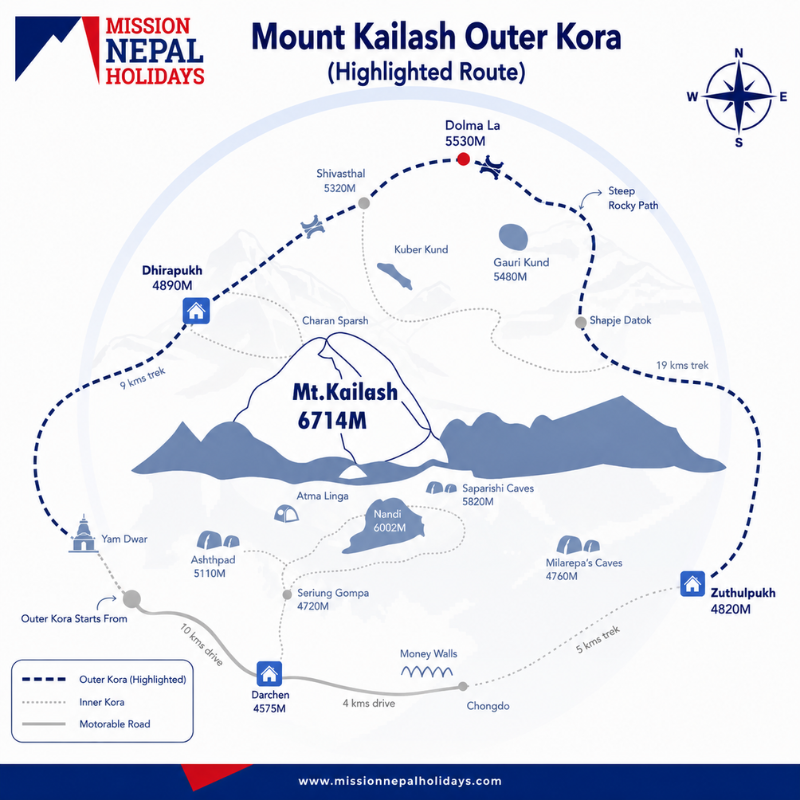
Day 1: Darchen → Derapuk Monastery
Day 2: Derapuk → Dolma La Pass → Zuthulpuk Monastery
Day 3: Zuthulpuk → Darchen
The route from Derapuk Monastery to Zuthulpuk Monastery via Dolma La Pass is considered the hardest section of the Mount Kailash trek.
You can also explore our detailed guides on:
These sacred monasteries play a major role before and after crossing Dolma La Pass.
Religious Significance of Dolma La Pass
The name Dolma La comes from “Dolma,” the Tibetan name for Goddess Tara, the Buddhist goddess of compassion, salvation, and protection.
Pilgrims believe that Goddess Tara blesses those who successfully cross Dolma La Pass and protects them during the difficult journey.
Symbol of Death and Rebirth
Spiritually, Dolma La Pass represents:
- Letting go of past karma
- Cleansing sins
- Spiritual rebirth
- Transformation of the soul
Ascending the steep climb toward the pass symbolizes the struggles of life, while descending toward Zuthulpuk symbolizes rebirth and renewal.
For many pilgrims, crossing Dolma La Pass becomes an emotional and deeply transformative moment.
Shiv Tsal – The Sacred Place Before Dolma La Pass
Before reaching Dolma La Pass, pilgrims encounter the sacred site of Shiv Tsal.
This spiritually powerful place is covered with:
- Prayer flags
- Old clothing
- Jewelry
- Hair offerings
- Personal belongings
Pilgrims leave behind personal items at Shiv Tsal as a symbolic act of leaving behind ego, attachment, and past suffering.
Tibetans believe these offerings are spiritually carried into the next life and help pilgrims achieve liberation.
The Grueling Climb to Dolma La Pass
The climb to Dolma La Pass begins early in the morning from Derapuk Monastery.
Pilgrims usually start trekking around 5:00–6:00 AM to avoid strong afternoon winds and unstable weather conditions.
The ascent includes:
- Rocky mountain trails
- Loose gravel slopes
- Snow-covered sections
- Thin oxygen levels
- Steep climbs known as “Hell Slopes”
The final stretch toward Dolma La Pass is physically exhausting due to the high altitude and lack of oxygen.
Despite the difficulty, pilgrims continue chanting mantras, praying, and carrying prayer flags while climbing toward the sacred summit.
Prayer Flags and Spiritual Energy at Dolma La Pass
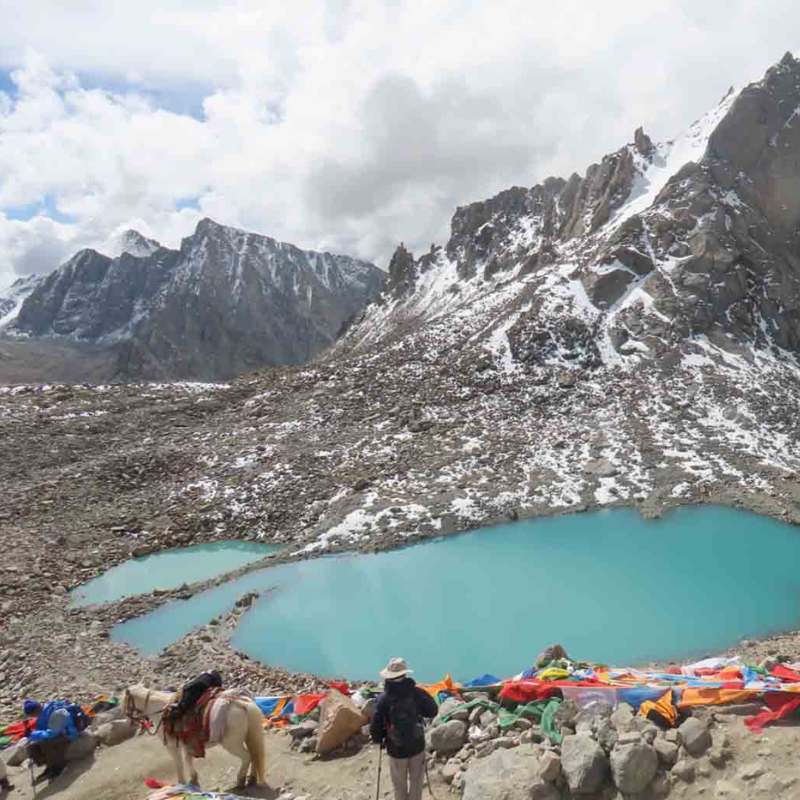
At the summit of Dolma La Pass, thousands of colorful Tibetan prayer flags flutter dramatically in the Himalayan wind.
These prayer flags symbolize:
- Peace
- Compassion
- Blessings
- Protection
- Spiritual transformation
Pilgrims often bring their own prayer flags to hang at the pass while offering prayers to Goddess Tara.
The atmosphere at Dolma La Pass is deeply spiritual, emotional, and powerful.
Dolma Stone – Sacred Symbol of the Pass
One of the most sacred objects at Dolma La Pass is the famous Dolma Stone.
According to Tibetan legend, when Master Gotsangpa was establishing the Mount Kailash pilgrimage route, he became lost in the valley. Twenty-one wolves, believed to be manifestations of Goddess Tara, guided him safely to the pass.
At the summit, the wolves merged into one sacred stone — now known as the Dolma Stone.
Pilgrims circle the stone while chanting Tibetan prayers and offering blessings.
Gauri Kund – The Sacred Lake Below Dolma La Pass
After crossing Dolma La Pass, trekkers descend toward the sacred Gauri Kund Lake.
This stunning turquoise glacial lake is deeply important in Hindu mythology and is believed to be the bathing place of Goddess Parvati, wife of Lord Shiva.
Pilgrims believe the waters of Gauri Kund possess spiritual purification powers.
The dramatic view of Gauri Kund below the snowy mountains creates one of the most iconic scenes of the Mount Kailash Yatra.
Trekking Challenges of Dolma La Pass
Crossing Dolma La Pass is considered extremely difficult due to several factors.
1. High Altitude
At over 5,600 meters, oxygen levels are significantly lower, increasing the risk of:
- Altitude sickness (AMS)
- Headaches
- Nausea
- Dizziness
- Fatigue
- Breathlessness
2. Harsh Weather
Weather conditions around Dolma La Pass can change rapidly with:
- Snowfall
- Freezing winds
- Ice-covered trails
- Sudden storms
3. Steep Terrain
The trail includes:
- Rocky climbs
- Loose scree
- Slippery descents
- Long trekking hours
The section from Derapuk to Zuthulpuk via Dolma La usually takes 8–10 hours of continuous trekking.
Best Time to Visit Dolma La Pass
The best seasons for visiting Dolma La Pass are:
- May to June
- September to October
During these months:
- Weather is relatively stable
- Trails are clearer
- Visibility is excellent
- Trekking conditions are safer
Winter months bring extreme snowfall and dangerous conditions.
Essential Tips for Crossing Dolma La Pass
To safely complete the journey through Dolma La Pass:
- Acclimatize properly before trekking
- Walk slowly and steadily
- Stay hydrated
- Carry warm layered clothing
- Use trekking poles
- Carry portable oxygen if needed
- Hire experienced guides and porters
- Respect local customs and sacred sites
Check some important tips in details
Why Dolma La Pass is the Spiritual Heart of Mount Kailash
Among all the sacred places in Tibet, Dolma La Pass stands as one of the most spiritually powerful destinations on Earth. The journey across the pass represents not only a physical challenge but also a deep inner transformation.
Pilgrims crossing Dolma La leave behind fear, suffering, karma, and attachment while moving toward spiritual purification and enlightenment.
The colorful prayer flags, sacred Dolma Stone, turquoise Gauri Kund, and breathtaking Himalayan landscapes combine to create a truly divine experience.
For anyone undertaking the Mount Kailash Mansarovar Yatra, crossing Dolma La Pass becomes the defining moment of the pilgrimage — a sacred journey of endurance, devotion, and rebirth.
To plan your spiritual journey across Dolma La Pass, Mount Kailash, and Mansarovar Lake, feel free to contact us for customized pilgrimage and trekking experiences in Tibet.