
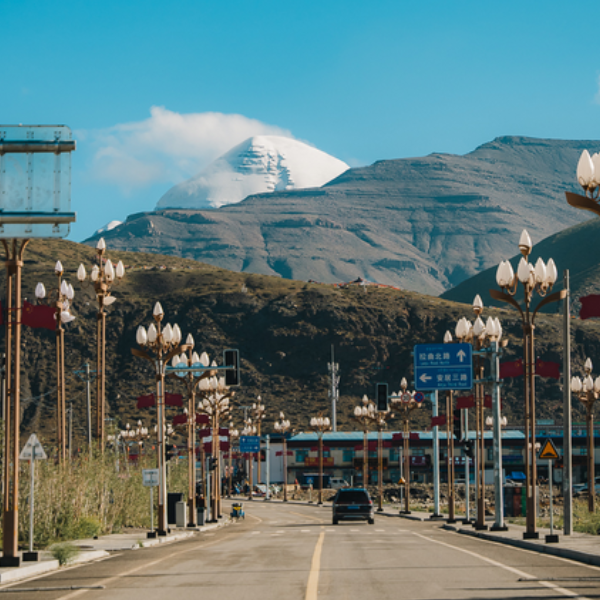
Darchen: The Sacred Gateway to Mount Kailash

Activities Highlights
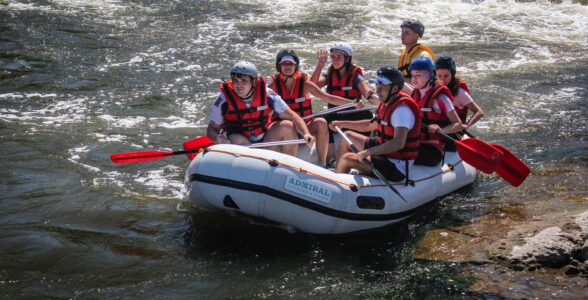
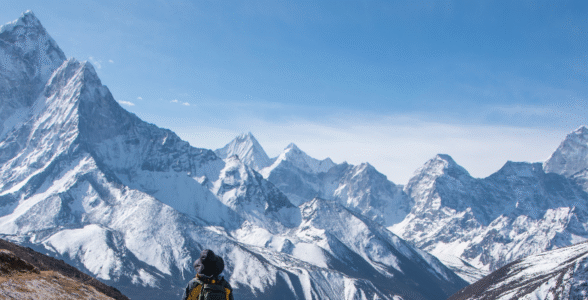
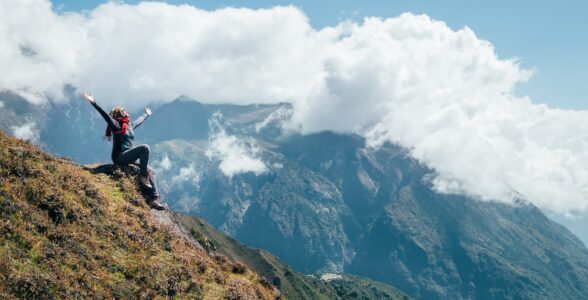
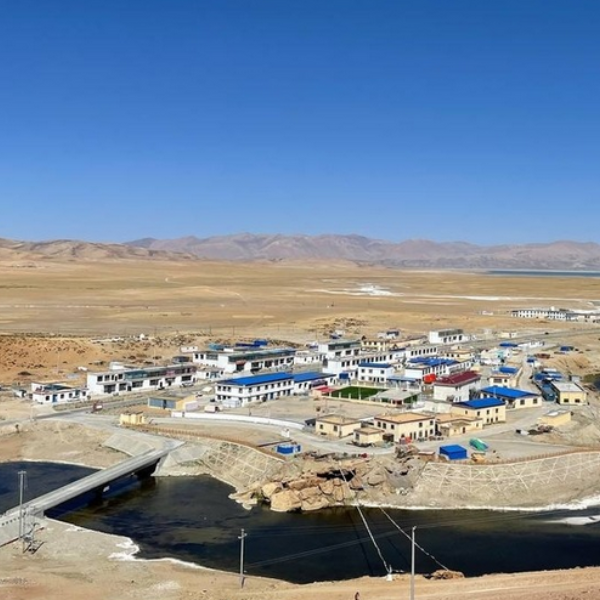
Nestled in the remote, spiritual heart of western Tibet lies Darchen—a small village that serves as the epicenter of faith for millions. Known locally as Kangsa Village and referred to on maps as Tarchan or Taqin (塔钦), this settlement is far more than just a dot on a map. It is the official starting point for the holy circumambulation of Mount Kailash, a peak so revered that no human has ever set foot on its summit.
Whether you are a pilgrim seeking enlightenment, a trekker chasing adventure, or a traveler drawn to unique cultures, Darchen offers an experience that touches the soul.
Location & Altitude: The Roof of the World
Darchen is situated in Purang County of the Ngari Prefecture, Tibet Autonomous Region of China. Its most striking feature is its location: sitting right in front of the sacred Mount Kailash, the views of the Trans-Himalaya range are nothing short of breathtaking.
However, this beauty comes with a physical challenge. At an altitude of 4,575 meters (15,010 feet) , Darchen sits at a height where the air is thin and the weather is unpredictable. For comparison, this is higher than Mount Everest Base Camp (South Side). Acclimatizing gradually is not just a tip—it is a necessity for survival.
Darchen is an important hub for pilgrims and travelers in the region. It lies approximately 507 km from Saga, making it a long but scenic journey across the Tibetan plateau. From Kyirong (Kerung), the distance to Darchen is about 737 km, usually covered over multiple days with stops along the way. Meanwhile, Lake Mansarovar is much closer—situated roughly 30 to 40 kilometers from Darchen—allowing pilgrims to easily travel between the sacred lake and the starting point of the Kailash kora (circumambulation).
The People & Lifestyle: A Community of Devotion
Despite its growing popularity, Darchen remains a humble, quiet town. The majority of the population are ethnic Tibetans, many of whom are descendants of traders and semi-nomadic herders. Their lives revolve around the harsh weather, high altitude, and the spiritual significance of the mountain.
- Daily Life: Locals raise yaks, sheep, and goats, using yak wool for clothing. Others run small guesthouses, shops, or restaurants for the influx of pilgrims.
- Modern Influence: While Darchen is a completely Tibetan town at heart, more Chinese settlers are arriving, opening hotels and restaurants along the main road.
- Spiritual Atmosphere: Most residents practice Buddhism, starting their day with prayers and offerings. You will find shrines, prayer wheels, and mani stones scattered around, adding to the peaceful, intense spiritual energy.
Accommodation & Amenities: Where to Rest
While Darchen lacks modern luxury, it has adapted to welcome thousands of visitors annually. Several good accommodation options are available:
- Hotels: Kailas Hotel, Himalaya Kailash Hotel, and Yuntianzhouji Hotel (all 4-star rated).
- Guesthouses: Gangdise Hotel and the neighboring Zhusu Guesthouse offer more budget-friendly options.
- Unique Stays: The Swiss-funded Tibetan Medical and Astro Institute operates a dispensary here where doctors are trained in traditional Tibetan medicine.
- Dining: The Mountain Horse Kee Restaurant (located along the main road) is popular with travelers for its bright atmosphere and focus on health.
Important Note for Pilgrims: From spring to October, officers from the Public Security Bureau (PSB) are stationed at the Gandise Hotel. This is where pilgrims must have their travel permits stamped and purchase the mandatory ticket to circumambulate Mount Kailash.
Religious Significance: The Kailash Kora (Parikrama)
Darchen’s primary role is the base camp for the Mount Kailash Parikrama. The Kora is a 52-kilometer (32-mile) trek that takes three days to complete.
- Day 1: A relatively easy walk from Darchen to Dirapuk Monastery.
- Day 2: The most challenging day, involving a steep ascent to Dolma La Pass (5,636 meters / 18,500 feet), followed by a descent to Zutulpuk Monastery.
- Day 3: A shorter trek back to Darchen.
Logistics: You can hire horses, porters, and yaks, but be aware that Darchen uses a token system. You must decide immediately if you want help; you cannot choose your animal later, and you cannot obtain one in the middle of the trek if you initially refuse.
Festivals & Traditions: Celebrating Faith
Darchen celebrates several important festivals that showcase its rich culture:
- Saga Dawa Festival (May/June): The most important Tibetan festival. It honors the birth, enlightenment, and death of Buddha. During this time, the town becomes busy with prayers, dances, and offerings. It is considered the most auspicious time to do the Kora.
- Losar (Tibetan New Year): A time for family gatherings, traditional meals, dancing, and decorating homes with prayer flags.
- Tibetan Opera & Folk Dances: Occasionally hosted to preserve traditions through music, singing, and dance.
Nearby Attractions: Beyond the Mountain
If you have time, do not miss these two stunning lakes located just south of Darchen:
- Lake Manasarovar (22 km south): One of the highest freshwater lakes in the world. Sacred to both Buddhists and Hindus, pilgrims believe bathing in its waters purifies the body and soul.
- Lake Rakshastal: Located nearby, Hindu legend claims this lake is cursed and tied to the demon king Ravana. It offers a fascinating contrast in beliefs.
Transport Tip: The only transport to the lakes is to charter a 4WD. Drivers normally hang around the town square waiting for passengers.
How to Reach Darchen: A Journey in Itself
Getting to Darchen is an adventure due to its remote location in the Ngari Prefecture.
- By Bus: Buses run every other day from Shiquanhe (Ali) and Purang. There is also a bus to Shigatse every other day. The main road is part of the southern route to Lhasa.
- By 4WD: Hiring a 4WD is quite easy, as many are happy to do the run to Lhasa.
- By Air: A one-day bus runs from Shiquanhe to Kunsha Airport, offering daily flights to Lhasa.
- From Nepal: Possible via the Rasuwa Gadhi border crossing or a luxury helicopter ride from Simikot to Hilsa, followed by a 2-day drive.
Permits: Foreign travelers need a Tibet Travel Permit and a specific Mount Kailash permit. You must be accompanied by a guide.
Quick Travel Tips for a Successful Visit
- Acclimatize Gradually: Spend a few days in Lhasa or Shigatse before arriving in Darchen to avoid altitude sickness.
- Pack Warm: Nights are freezing. Pack layers, medical supplies, energy foods, and sunscreen. Facilities are basic.
- Permits First: Arrange all permits in advance through a registered tour operator.
- Honor the Sacredness: Darchen is a place of spiritual reflection. Show respect for local customs and traditions.
- Best Time to Visit: May through September offers milder weather and optimal trekking conditions.
Conclusion
Darchen is more than just a travel destination; it is a place for spiritual reflection. Whether you are completing the grueling Kailash Kora, gazing at the pyramid shape of Mount Kailash, or simply soaking in the intense atmosphere of prayer flags and chanting, this remote village leaves a lasting impression.
It is a place that touches the soul, offering a journey that goes far beyond mere adventure.