
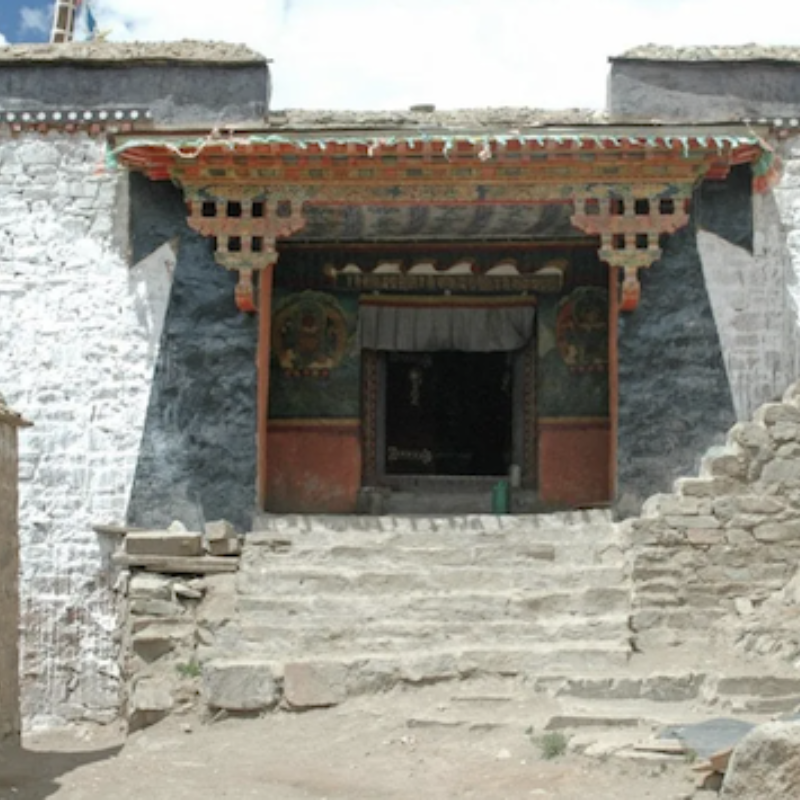
Zuthulpuk Monastery – The Sacred Final Stop of the Mount Kailash Kora

Activities Highlights
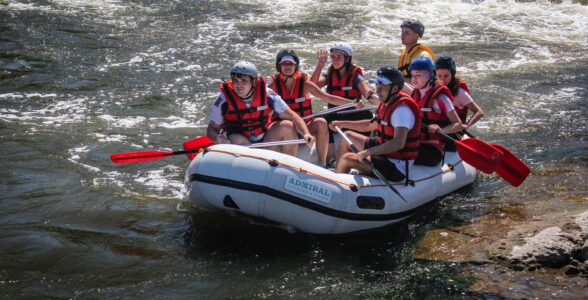
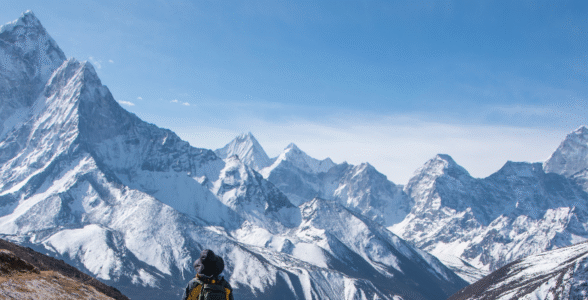
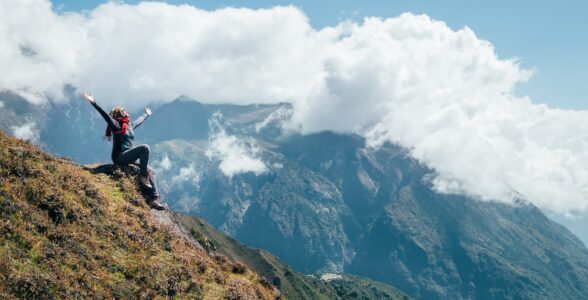
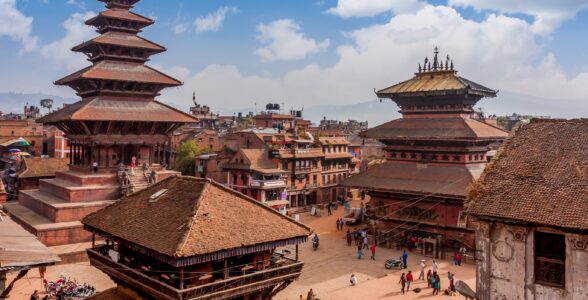
Located on the eastern side of the sacred Mount Kailash, Zuthulpuk Monastery is one of the most spiritually significant destinations on the legendary Mount Kailash Kora. Known as the “Miracle Cave Monastery,” Zuthulpuk is famous for its sacred cave of Milarepa, breathtaking Himalayan landscapes, and deep spiritual atmosphere that attracts thousands of pilgrims every year.
For travelers completing the holy Mount Kailash and Mansarovar Yatra, Zuthulpuk marks the final major stop before returning to Darchen. After crossing the challenging Dolma La Pass, pilgrims arrive at Zuthulpuk seeking rest, reflection, and spiritual fulfillment. Surrounded by lush valleys, flowing rivers, prayer flags, and sacred legends, Zuthulpuk is considered the climax of the holy parikrama of Mount Kailash.
Introduction to Zuthulpuk Monastery
Zuthulpuk, also spelled Zutulphuk, Zutrulphuk, or Zultul Puk, lies approximately 5.3 nautical miles east of Mount Kailash in Tibet. It is an essential stop on the sacred Mount Kailash Kora after Derapuk, where pilgrims spend the second night of their three-day journey around the holy mountain.
On the second day of the kora, trekkers travel nearly 22 kilometers after crossing the difficult Dolma La Pass at an altitude of around 5,600 meters. The descent eventually leads to the peaceful valley of Zuthulpuk at approximately 4,760–4,790 meters above sea level.
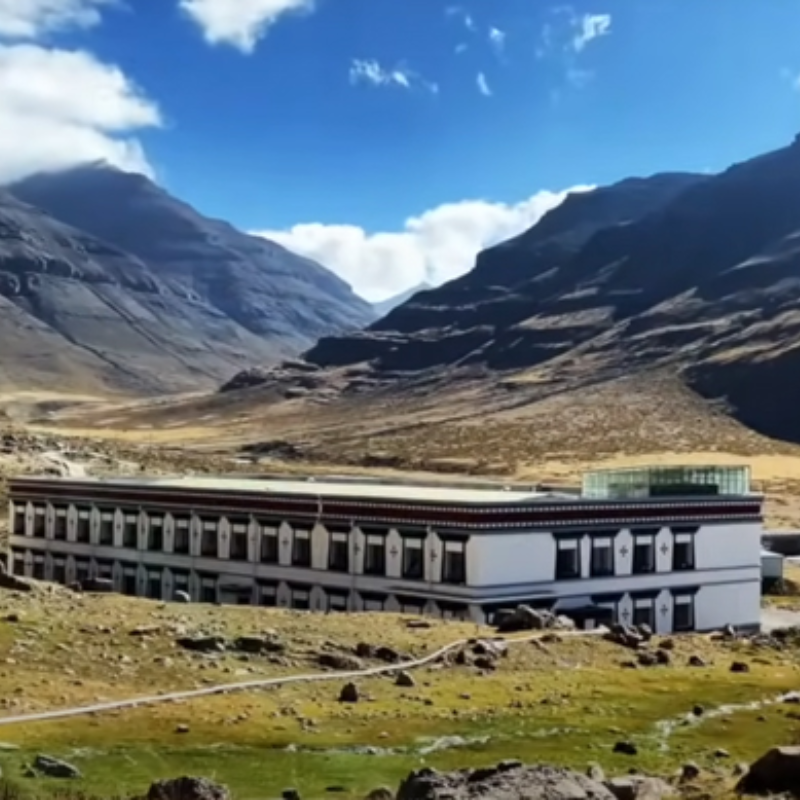
Historically, accommodation was available only within the monastery itself. Today, basic guesthouses, teahouses, and simple hotels offer pilgrims a more comfortable overnight stay after one of the toughest trekking days of the entire Mount Kailash pilgrimage.
Among the four main monasteries around Mount Kailash, Zuthulpuk Monastery is the last monastery pilgrims visit before completing the sacred kora.
The Spiritual Meaning of Zuthulpuk
The name Zuthulpuk comes from two Tibetan words:
- “Zutul” meaning miracle or magic
- “Phuk” meaning cave
Together, the name translates to “The Cave of Miracles.”
The monastery received this name because of the miraculous stories associated with the great Tibetan saint Milarepa, whose spiritual powers and meditation practices remain legendary throughout Tibet.
Mythology of Zuthulpuk Monastery
The history of Zuthulpuk Monastery is deeply connected to the ancient spiritual rivalry between Buddhism and the indigenous Bon religion in Tibet.
In the 11th century, the revered Buddhist yogi Milarepa arrived in the Mount Kailash region to meditate and spread Buddhist teachings. However, the Bon practitioner Naro Bongchung claimed that Mount Kailash belonged exclusively to the Bon tradition and demanded Milarepa leave the region.
Milarepa refused, leading to a spiritual contest between the two masters.
One major disagreement centered around the direction of the Mount Kailash Kora:
- Naro Bongchung supported““ walking counterclockwise
- Milarepa insisted on the now-traditional clockwise Buddhist kora
As tensions escalated, Naro Bongchung threw a massive rock toward Milarepa. According to legend, Milarepa caught the stone effortlessly with one hand, leaving a permanent handprint on the rock as proof of his miraculous spiritual power.
Soon afterward, a sacred monastery appeared near this miraculous rock, becoming known as the Zuthulpuk Monastery — the “Miracle Cave Monastery.
The Sacred Milarepa Cave
The main attraction of Zuthulpuk Monastery is the sacred meditation cave associated with Milarepa.
Inside the cave, pilgrims can still see:
- Milarepa’s handprint
- Footprint impressions
- Sacred meditation chamber
- Ancient Buddhist relics
Many pilgrims spend time meditating quietly inside the cave, believing the space carries powerful spiritual energy accumulated through centuries of prayer and devotion.
The cave also contains statues of:
- Saint Milarepa
- Shakyamuni Buddha
- Padmasambhava (Guru Rinpoche)
The peaceful atmosphere of the cave makes it one of the most spiritually moving places on the entire Mount Kailash Kora.
Zuthulpuk and the Mount Kailash Kora
The journey to Zuthulpuk forms the most demanding section of the Mount Kailash trek.
Typical Kailash Kora Route
Day 1: Darchen → Derapuk Monastery
Day 2: Derapuk → Dolma La Pass → Zuthulpuk
Day 3: Zuthulpuk → Darchen
The second day is considered the hardest part of the pilgrimage because trekkers must cross the high-altitude Dolma La Pass before descending into the valley of Zuthulpuk.
Dolma La Pass and Shivasthal
To reach Zuthulpuk Monastery, pilgrims first cross the sacred Dolma La Pass at approximately 5,600 meters.
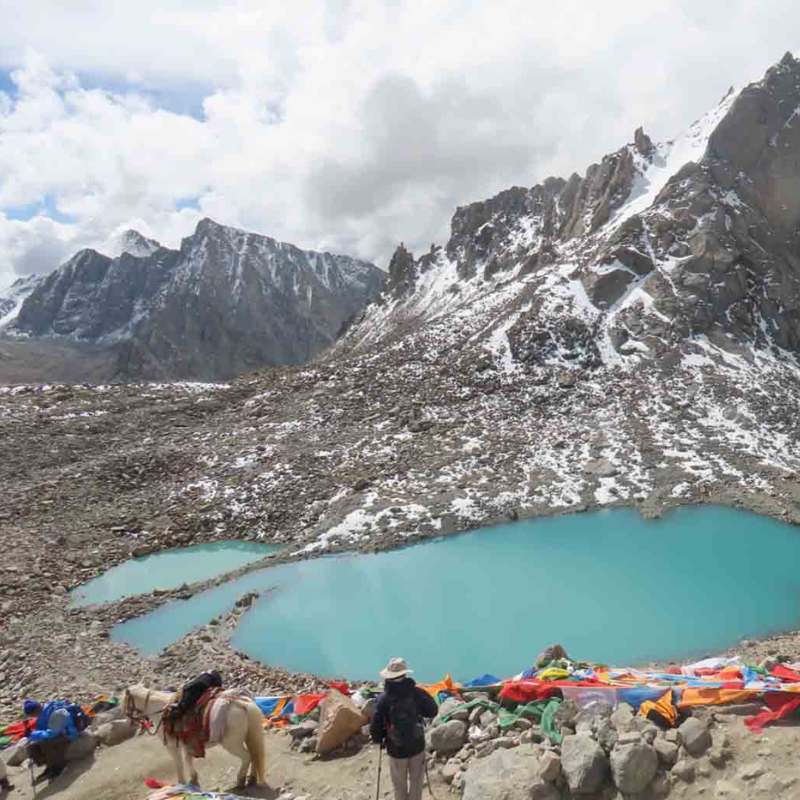
Near the top of the pass lies Shivasthal, a sacred site covered with:
- Prayer flags
- Clothing offerings
- Jewelry
- Personal belongings
Tibetans believe that anything offered at Shivasthal will be spiritually returned to the soul in the next life or heaven after death.
Below the pass sits the sacred Gaurikund Lake, associated with Hindu mythology and Goddess Parvati.
The descent from Dolma La is steep and physically exhausting, making the arrival at Zuthulpuk feel especially rewarding.
Trekking to Zuthulpuk
After descending from Dolma La Pass, trekkers walk for another 5–6 hours through a stunning valley leading toward Zuthulpuk.
This section of the trek is gentler compared to the steep pass crossing and features:
- Green grassy meadows
- Flowing streams and brooks
- Rocky cliffs
- River valleys
- Prayer flags fluttering in the wind
The beautiful valley around Zuthulpuk creates a peaceful contrast to the harsh high-altitude terrain of Dolma La.
Even horse riders often need to walk certain difficult sections due to the rugged landscape.
Highlights of Zuthulpuk Monastery
Sacred Cave of Milarepa: The monastery’s greatest attraction is the miracle cave where Milarepa meditated and demonstrated his spiritual powers.
Prayer Flags and Mani Stones: Colorful Tibetan prayer flags and carved Mani stones surround the monastery, filling the area with sacred energy and devotion.
Stunning Mount Kailash Landscapes: The valley around Zuthulpuk offers breathtaking views of the Mount Kailash region and peaceful Himalayan scenery.
Spiritual Atmosphere: Pilgrims performing prayers, meditation, and prostrations create an atmosphere of deep spirituality and reflection.
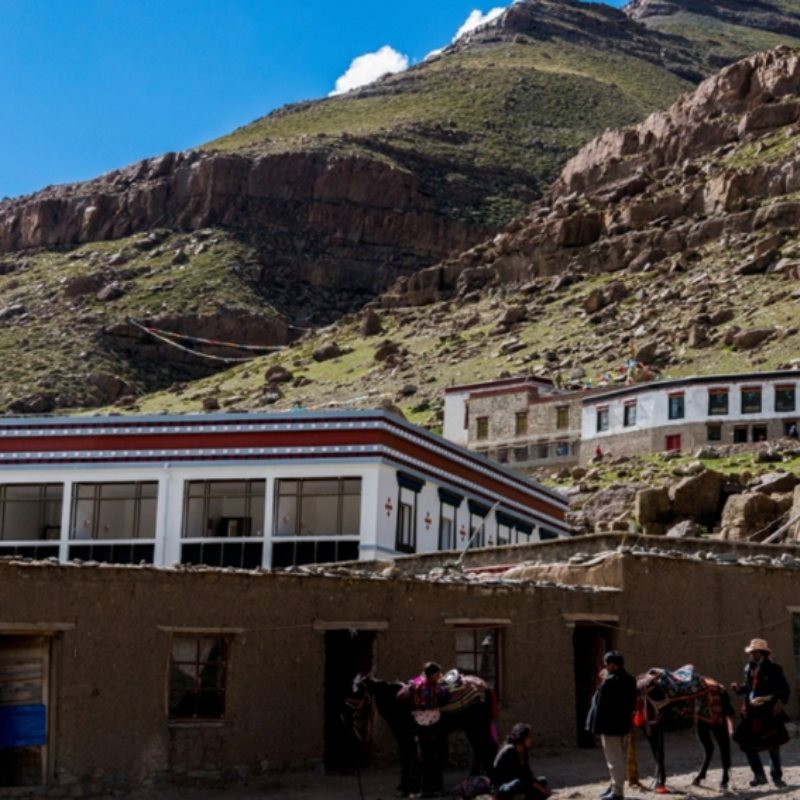
Accommodation at Zuthulpuk: Zuthulpuk offers basic but essential accommodation facilities for pilgrims and trekkers.
Available Accommodation in Zuthulpuk
Guesthouses: Simple rooms with beds and blankets.
Teahouses: Warm meals, Tibetan tea, noodles, and soup are available for tired trekkers.
However, after the difficult Mount Kailash trek, the peaceful surroundings of Zuthulpuk provide welcome comfort and rest.
Best Time to Visit Zuthulpuk
The best seasons for visiting Zuthulpuk Monastery and completing the Mount Kailash Kora are:
- Spring (May–June)
- Autumn (September–October)
During these months:
- Temperatures are milder
- Trails are more accessible
- Mountain views are clearer
- Weather conditions are more stable
Winter brings heavy snowfall and freezing temperatures, making travel extremely difficult.
Why Zuthulpuk is Important on the Mount Kailash Pilgrimage
Among all the sacred places around Mount Kailash, Zuthulpuk Monastery represents spiritual completion, reflection, and inner transformation.
For pilgrims, reaching Zuthulpuk after crossing Dolma La symbolizes overcoming obstacles and achieving spiritual purification. The peaceful valley, miracle cave, prayer flags, and sacred legends make this monastery one of the most memorable experiences of the entire Mount Kailash pilgrimage.
As pilgrims leave Zuthulpuk and return toward Darchen, they carry with them not only memories of the Himalayas but also a profound spiritual connection to Mount Kailash itself.
Contact Mission Nepal Holidays for soul purifying journey to Kailash Mansarovar.