
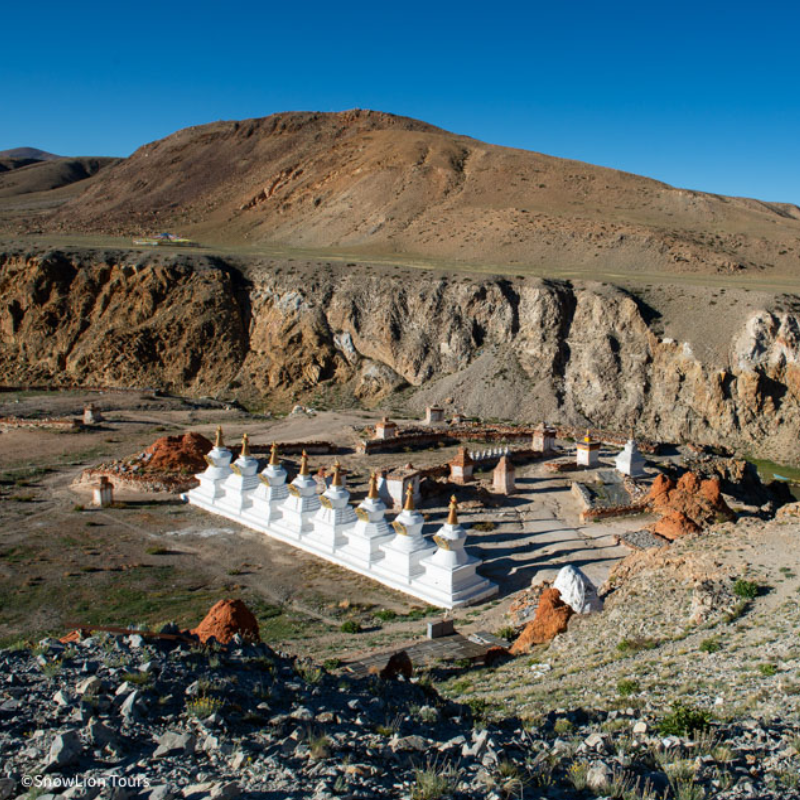
Tirthapuri Monastery & Hot Springs – The Sacred Land of Healing and Spiritual Renewal

Activities Highlights

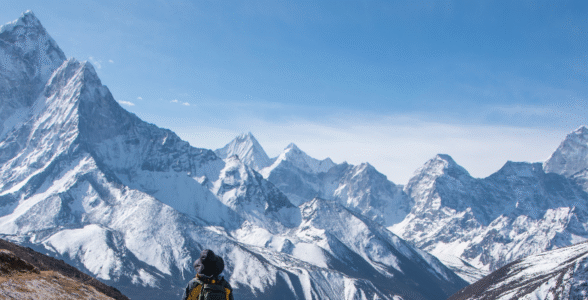
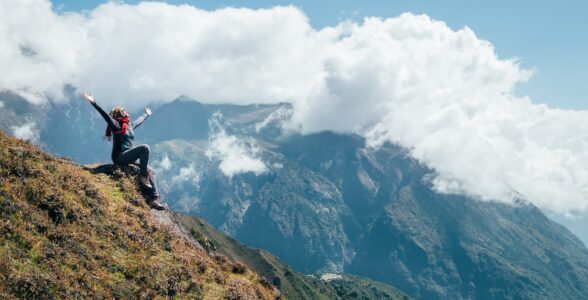
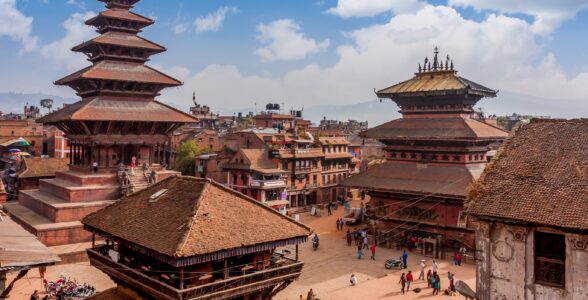
Nestled in the remote wilderness of western Tibet, near the holy Mount Kailash and the pristine Lake Manasarovar, Tirthapuri is one of the most sacred pilgrimage destinations in the Himalayan region. Revered by both Buddhists and Hindus, this mystical place is renowned for its sacred hot springs, ancient monastery, spiritual legends, and healing atmosphere.
Located on the northern bank of the Sutlej River at an altitude of around 4,310 meters, Tirthapuri lies approximately 65 km northwest of Darchen and 9 km south of Mensi (Moincer). After Mount Kailash and Lake Manasarovar, Tirthapuri is regarded as the third most important pilgrimage site in western Tibet.
Spiritual Importance of Tirthapuri
Tirthapuri holds immense religious significance for Hindus, Buddhists, and followers of the Bon religion.
Tirthapuri in Hinduism
According to Hindu mythology, Tirthapuri is believed to be the place where Lord Vishnu defeated the demon Bhasmasur. The area is also associated with Lord Shiva and Goddess Parvati, who are believed to have rested here after defeating demons. The sacred hot springs are said to possess divine cleansing powers capable of washing away sins and negative karma.
Tirthapuri in Buddhism
For Tibetan Buddhists, Tirthapuri is deeply connected with Guru Rinpoche (Padmasambhava), the great tantric master who introduced Vajrayana Buddhism to Tibet. It is believed that Guru Rinpoche meditated here with his consort Yeshe Tsogyel, blessing the land with spiritual energy and transforming it into a powerful site of purification and enlightenment.
Tirthapuri in Bon Tradition
Followers of the ancient Bon religion consider Tirthapuri an important energy center where divine beings shaped the landscape and infused it with cosmic spiritual power. The site is regarded as a place for connecting with the energies of nature and the universe.
The Sacred Tirthapuri Hot Springs
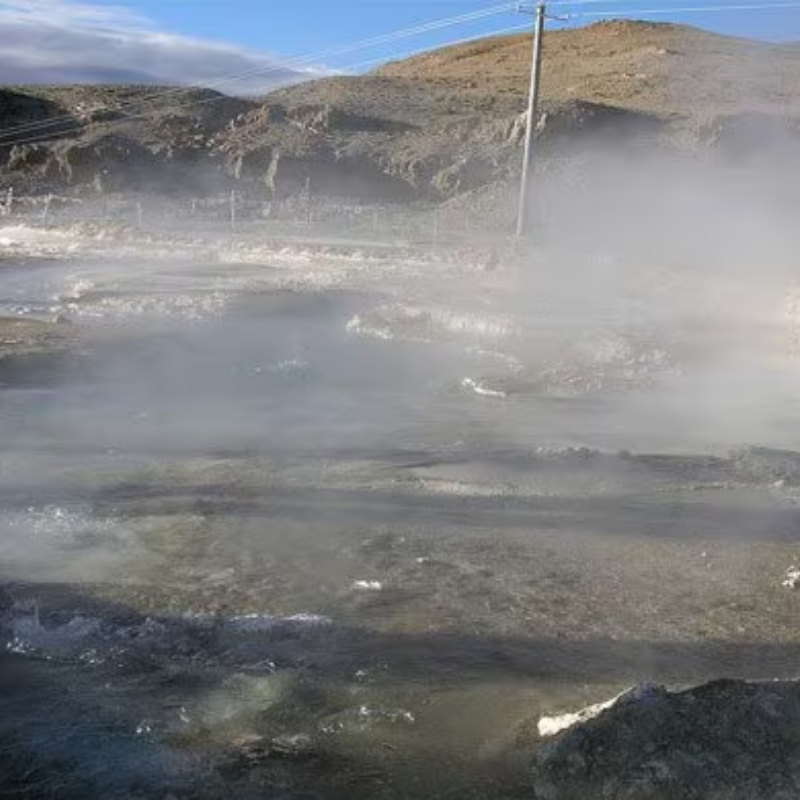
One of the main attractions of Tirthapuri is its sacred hot springs, which have drawn pilgrims and travelers for centuries. The mineral-rich waters are believed to possess healing properties that cure physical ailments, relieve fatigue, and cleanse the body and soul.
Traditionally, pilgrims visit Tirthapuri after completing the demanding Mount Kailash Kora. After days of trekking at high altitude, devotees bathe in the hot springs to rejuvenate their tired bodies and refresh their spirits. The warm waters are considered especially beneficial for spiritual purification and karmic cleansing.
Although the springs have weakened over time, they continue to remain an essential part of the Kailash pilgrimage experience.
Colorful prayer flags fluttering in the mountain winds, rows of ancient chortens, mani walls, and barren Tibetan landscapes create an atmosphere of deep spirituality around the springs.
Tirthapuri Monastery – Guru Rinpoche’s Sacred Sanctuary
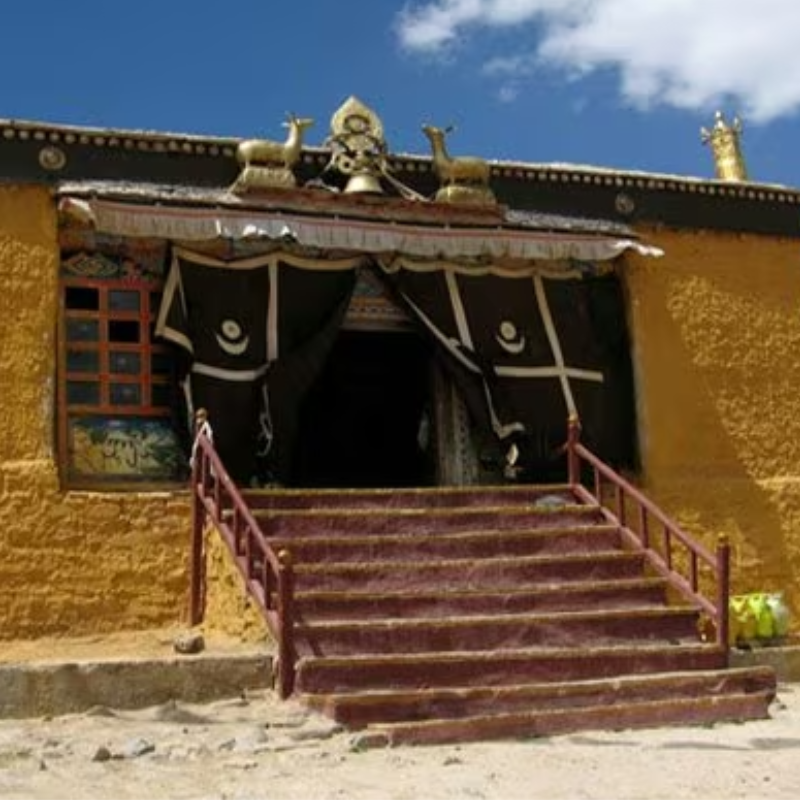
The Tirthapuri Monastery, also known as Guru Rinpoche Monastery, is the spiritual heart of the region. The monastery is dedicated to Guru Rinpoche and houses sacred footprints believed to belong to Padmasambhava and Yeshe Tsogyel.
Pilgrims visit the monastery to offer prayers, spin prayer wheels, and seek blessings for spiritual growth and purification. The monastery’s peaceful atmosphere, combined with the surrounding desert mountains and sacred river valley, makes it a deeply meditative place.
A circle of mani stones lies just south of the monastery. According to local legends, the gods descended from heaven and danced here during the enshrinement ceremony of Guru Rinpoche. Nearby stands a long mani wall stretching over 200 meters, believed to have been formed when Guru Rinpoche transformed an arrow shot by a demon into stone.
The Tirthapuri Kora – A Pilgrimage of Purification
The Tirthapuri Kora is a short but spiritually powerful circumambulation route around the monastery and sacred sites. Unlike the strenuous Mount Kailash Kora, the Tirthapuri Kora takes only about one hour to complete.
It is believed that:
- One Mount Kailash Kora equals 13 Tirthapuri Koras.
- Completing the Tirthapuri Kora helps cleanse negative karma and brings spiritual merit.
Highlights Along the Kora
1. The Cremation Point
The trail begins from the hot springs and climbs uphill to a sacred cremation site covered with ancient clothes, rags, and prayer offerings left behind by pilgrims.
2. The “Sour” and “Sweet” Earth Holes
Further along the trail are two sacred earth holes:
- The “sour” earth hole
- The “sweet” earth hole
Pilgrims dig for small stones believed to have medicinal and healing powers. Many devotees collect these sacred stones as blessings and protection.
3. The Karma-Testing Hole
One of the most fascinating spots on the kora is the karma-testing hole beneath a prayer wheel.
Pilgrims place their hands into the hole and pull out two stones:
- Two white stones symbolize good karma.
- One white and one black indicate average karma needing improvement.
- Two black stones suggest bad karma.
This ritual is believed to reveal the spiritual state of the pilgrim and encourage self-reflection and purification.
4. Mani Walls and Chortens
The kora path is lined with mani stones carved with sacred Buddhist mantras, yak skulls, horns, chortens, and colorful prayer flags. Pilgrims regard many of the rock formations as naturally self-manifested sacred stupas.
Healing, Purification, and Spiritual Renewal
Tirthapuri represents a symbolic stage in the greater Kailash pilgrimage:
- Mount Kailash symbolizes liberation.
- Lake Manasarovar represents purity and mental clarity.
- Tirthapuri represents cleansing, healing, and karmic purification.
Pilgrims believe that bathing in the springs, performing the kora, offering prayers, and visiting the monastery help remove karmic burdens and prepare the soul for higher spiritual realization.
The area’s peaceful atmosphere, barren Himalayan beauty, and mystical legends create a deeply transformative experience for visitors.
Natural Beauty of Tirthapuri
Apart from its spiritual importance, Tirthapuri offers breathtaking Himalayan scenery:
- The vast Tibetan plateau
- The mighty Sutlej River
- Desert-like valleys
- Ancient cliffs and rocky landscapes
- Fluttering prayer flags against snow-covered peaks
The combination of raw natural beauty and sacred energy makes Tirthapuri one of the most unforgettable destinations in Tibet.
Best Time to Visit Tirthapuri
The ideal time to visit Tirthapuri is from May to September, when weather conditions are favorable for travel and pilgrimage in western Tibet.
How to Reach Tirthapuri
Tirthapuri is accessible by road from Darchen, the base town for Mount Kailash pilgrimages. However, there is no public transportation available to the monastery or hot springs.
Most travelers visit Tirthapuri as part of an organized Kailash Mansarovar pilgrimage tour.
Distance:
- Approximately 65–70 km from Darchen
- Near Mount Kailash and Lake Manasarovar
Travelers must also obtain special Tibet and Ngari region permits before visiting the area.
Final Thoughts on Tirthapuri
Tirthapuri is far more than just a pilgrimage destination — it is a sacred sanctuary of healing, reflection, and spiritual awakening. Whether you are drawn by its hot springs, Buddhist legends, Hindu mythology, or the mystical landscapes of Tibet, Tirthapuri offers a rare opportunity to experience profound peace and renewal.
For pilgrims completing the Kailash Mansarovar Yatra, a visit to Tirthapuri beautifully completes the spiritual journey — cleansing the body, calming the mind, and purifying the soul.