
Lo Manthang, Nepal – The Travel Guide to Forbidden Kingdom of Upper Mustang

Activities Highlights
Hidden beyond the towering Himalayas in the remote region of Upper Mustang lies one of Nepal’s most fascinating destinations — Lo Manthang, the ancient walled capital of the former Kingdom of Lo. Known as the “Forbidden Kingdom,” this mystical city preserves centuries-old Tibetan culture, Buddhist traditions, and medieval architecture that have remained largely untouched by modern development.
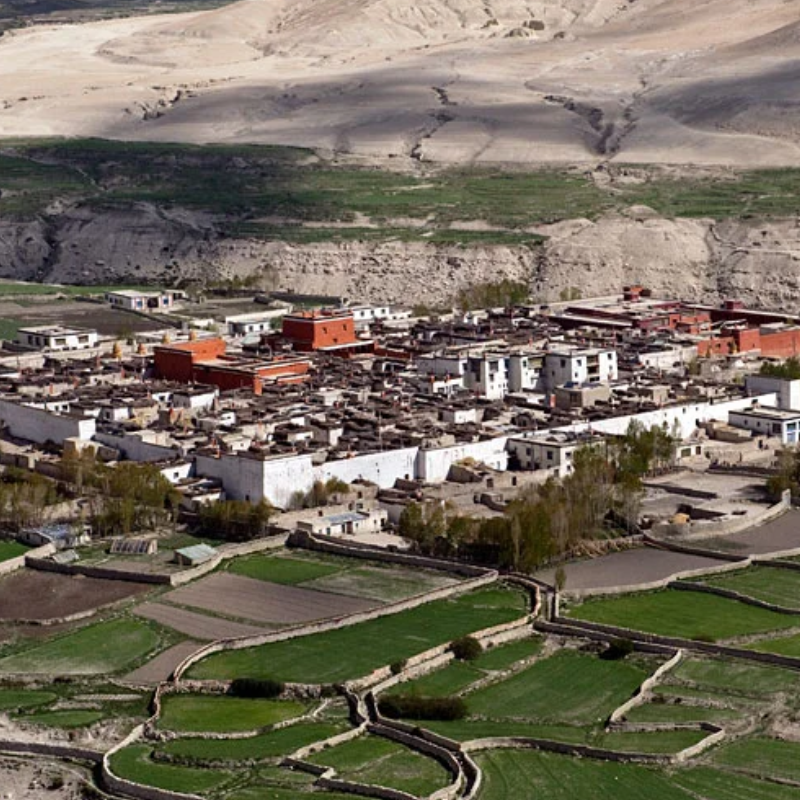
Situated at an altitude of 3,840 meters (12,600 feet) in the Mustang District of Nepal, Lo Manthang is one of the most isolated and culturally rich places in the Himalayas. Surrounded by dramatic desert-like landscapes, snow-capped mountains, ancient monasteries, and traditional mud-brick houses, Lo Manthang offers travelers a once-in-a-lifetime journey into a living museum of Tibetan Buddhist civilization.
The ancient city was founded in the 14th century by King Ame Pal, who established the Kingdom of Lo and built the fortified city as its capital. Even today, the massive earthen walls, royal palace, monasteries, prayer wheels, and narrow alleyways tell stories of a glorious past that continues to thrive in the present.
The Historic Kingdom of Mustang
Lo Manthang was once an important trade center connecting Tibet and Nepal through ancient Himalayan trade routes. The Kingdom of Mustang remained independent for centuries before eventually becoming part of Nepal in the 18th century. Despite political changes, the region managed to preserve its unique culture and traditions due to its remote location and restricted access to foreigners until the early 1990s.
The city itself is enclosed within towering mud-brick walls that stretch nearly 2,500 feet long and rise around 26 feet high. The walls were built to protect the kingdom from invaders and bandits, and the only entrance to the city was through a giant wooden gate facing east.
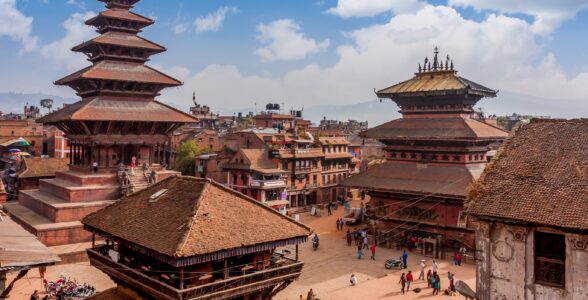
Inside the walls, visitors can explore ancient monasteries, traditional homes, royal palaces, and sacred shrines that reflect deep Tibetan Buddhist influences. The Lobas — the local people of Lo — continue to follow centuries-old customs, wear traditional clothing, and practice Tibetan Buddhism as an essential part of daily life.
Cultural Heritage and Tibetan Influence
One of the most remarkable aspects of Lo Manthang is its deeply rooted Tibetan culture. The region is heavily influenced by Tibetan Buddhism, and spiritual traditions are visible everywhere — from colorful prayer flags fluttering in the wind to chortens, mani walls, and monasteries spread across the landscape.
The city is home to several ancient monasteries, including:
Jampa Lhakhang:
Built in 1387 AD, this monastery is one of the oldest and most important religious sites in Lo Manthang. It features massive clay statues, intricate murals, and sacred Buddhist paintings.
Thubchen Gompa:
Known for its stunning wall paintings and ancient architecture, Thubchen Gompa remains an active center for Buddhist ceremonies and meditation.
Chode Gompa
This monastery plays a central role during festivals and religious celebrations, particularly the famous Tiji Festival.
These monasteries preserve centuries-old Buddhist art, scriptures, and spiritual practices, making Lo Manthang a living center of Himalayan Buddhist heritage.
The Famous Tiji Festival
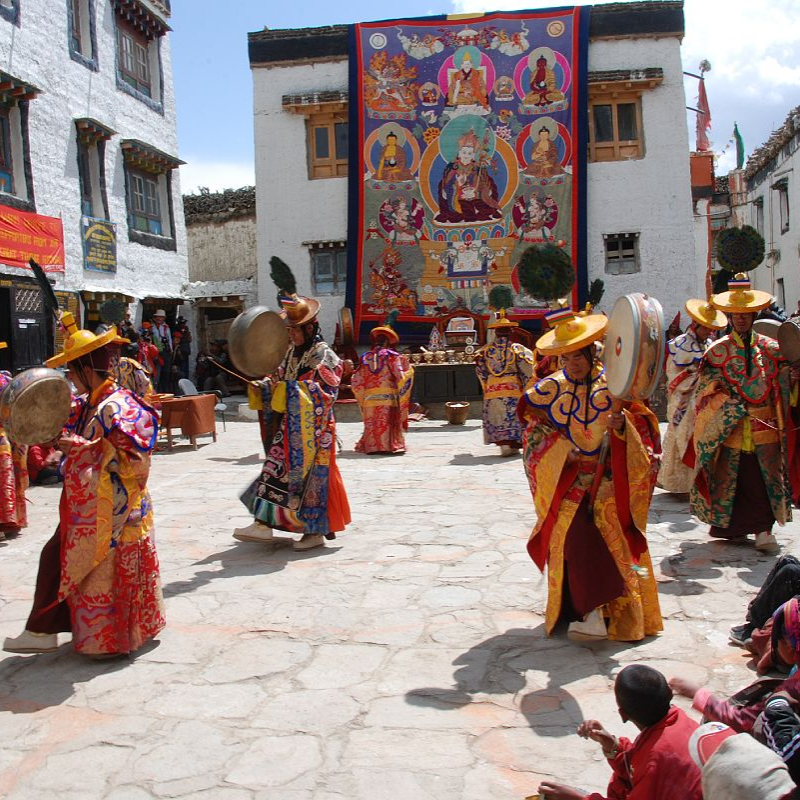
One of the best times to visit Lo Manthang is during the spectacular Tiji Festival, celebrated every year in May. The festival is a three-day Buddhist ceremony symbolizing the victory of good over evil.
During the festival, monks dressed in colorful costumes perform sacred masked dances inside the walled city. The dances tell the legendary story of Dorje Sonam defeating a demon that caused drought, destruction, and suffering in the kingdom.
The Tiji Festival attracts travelers from around the world and offers a rare opportunity to witness authentic Tibetan Buddhist culture in its purest form.
Geography and Landscape
Lo Manthang lies in the rain shadow of the Annapurna and Dhaulagiri mountain ranges, giving the region a unique desert-like terrain unlike most parts of Nepal. The landscape is filled with dramatic cliffs, deep canyons, colorful rock formations, and barren hills that resemble the Tibetan Plateau.
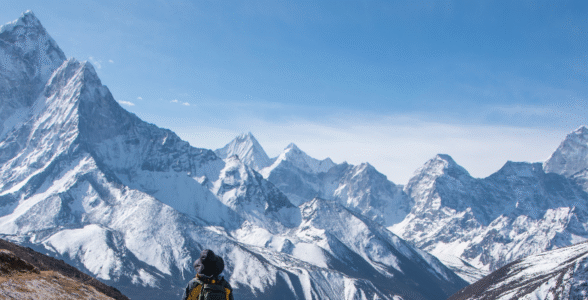
The region offers breathtaking views of Himalayan peaks while maintaining a peaceful and isolated atmosphere. The dry climate also makes Upper Mustang one of the few trekking destinations in Nepal suitable for travel during the monsoon season.
How to Reach Lo Manthang
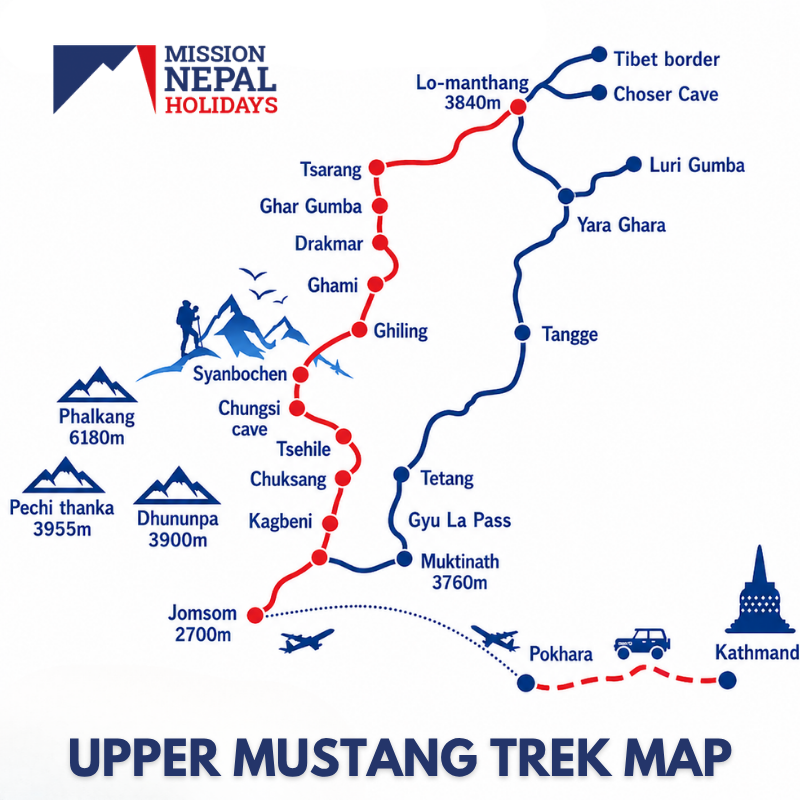
Traveling to Lo Manthang is an adventure in itself. Most journeys begin from Kathmandu to Pokhara, followed by a flight or drive to Jomsom.
From Jomsom, travelers can either:
- Trek through traditional Mustang villages over several days
- Take a jeep ride through rugged mountain roads
- Join helicopter tours for a luxurious experience
The trekking route passes through beautiful villages such as Kagbeni, Ghami, Tsarang, and Charang before finally reaching the ancient walled city.
Permits Required for Upper Mustang
Because Upper Mustang is a restricted region near the Tibetan border, travelers require special permits to visit Lo Manthang.
Required permits include:
- Restricted Area Permit (RAP) – USD 50 per day for the first 10 days
- Annapurna Conservation Area Permit (ACAP)
Visitors must travel through a registered trekking agency and be accompanied by a licensed guide.
Best Time to Visit Lo Manthang
The ideal seasons to visit Lo Manthang are:
Spring (March–May): Clear skies, pleasant temperatures, and the famous Tiji Festival make spring the best time to visit.
Autumn (September–November): Autumn offers stable weather, crystal-clear mountain views, and excellent trekking conditions.
Summer (June–August): Since Upper Mustang lies in a rain-shadow area, it remains relatively dry even during Nepal’s monsoon season.
Winter can be extremely cold, with heavy snowfall and difficult travel conditions.
Things to Do in Lo Manthang
Explore the Ancient Walled City: Walk through narrow alleys lined with traditional mud-brick houses and ancient Buddhist monuments.
Visit Royal Palace: The centuries-old royal palace stands in the center of the city and reflects the rich history of the Mustang Kingdom.
Discover Chhoser Caves: Ancient caves carved into cliffs near Lo Manthang served as meditation chambers, homes, and monasteries centuries ago.
Experience Local Culture: Interact with the warm and friendly Loba people, taste local cuisine, and witness traditional Himalayan lifestyles.
Photography and Trekking: The surreal landscapes, dramatic valleys, and colorful monasteries make Lo Manthang a paradise for photographers and trekkers alike.
Accommodation and Food
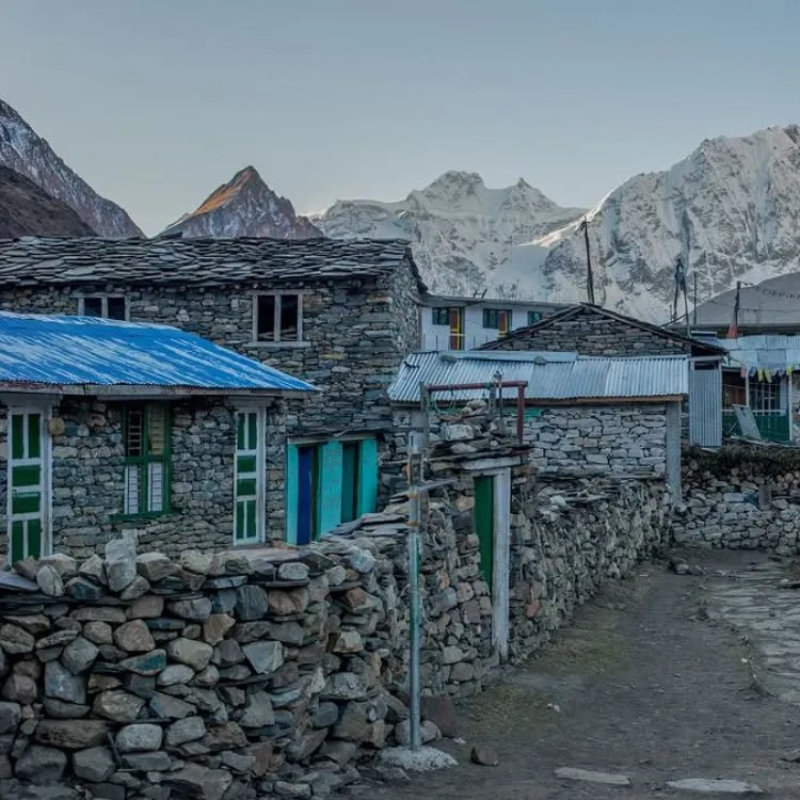
Accommodation in Lo Manthang mainly consists of basic teahouses and homestays. Although facilities are simple, travelers are welcomed with incredible hospitality and traditional food. Popular local dishes include:
- Dal Bhat
- Tibetan bread
- Thukpa (noodle soup)
- Momos
- Butter tea
Many teahouses also offer stunning mountain views and cozy traditional interiors.
Why Visit Lo Manthang?
Lo Manthang is not just a trekking destination — it is a journey into a hidden Himalayan world where ancient culture, spirituality, and history still flourish. From medieval monasteries and royal palaces to breathtaking desert landscapes and colorful festivals, every corner of Upper Mustang tells a story.
For travelers seeking authentic cultural experiences, untouched landscapes, and spiritual discovery, Lo Manthang remains one of Nepal’s most extraordinary destinations.
Whether you explore the ancient city on foot, witness the vibrant Tiji Festival, or trek across the dramatic valleys of Upper Mustang, Lo Manthang promises an unforgettable adventure deep in the heart of the Himalayas.