
Kailash Mansarovar Yatra Packages: Routes & Prices
Activities Highlights
Key takeaways
- Most Kailash Mansarovar Yatra packages run 12 to 16 days, with the overland route from Kathmandu through Lhasa or the direct Kerung border crossing being the two main choices.
- The kora, the sacred 52-kilometer circuit around Mount Kailash, is walked over three days and crosses the Dolma La Pass at roughly 5,630 meters.
- Foreign travelers cannot enter Tibet independently; a licensed operator must arrange the Tibet Travel Permit and Tibet Group Visa on your behalf.
- May to September is the practical pilgrimage window, and packages around the Saga Dawa full moon fill early and cost more.
- Slow acclimatization matters more than fitness; ascend gradually and build acclimatization days into any package you book.
If you are weighing Kailash Mansarovar Yatra packages, the two decisions that shape everything else are your route into Tibet and how many days you can give the trip. Most travelers choose an overland package of 12 to 16 days from Kathmandu, priced roughly between USD 2,200 and USD 3,500 per person depending on group size, comfort level, and whether Lhasa is included.
This guide answers what those packages actually contain, how the routes differ, what you pay for at each tier, and the permit and altitude realities that decide whether a trip runs smoothly. Kailash Mansarovar isn't a destination people stumble into. It sits far out on the western Tibetan plateau, it takes real planning to reach, and the pilgrimage carries deep meaning for Hindus, Buddhists, Jains, and followers of the Bon tradition. Here is what to compare before you commit.
What the Sacred Kailash Mansarovar Yatra Involves
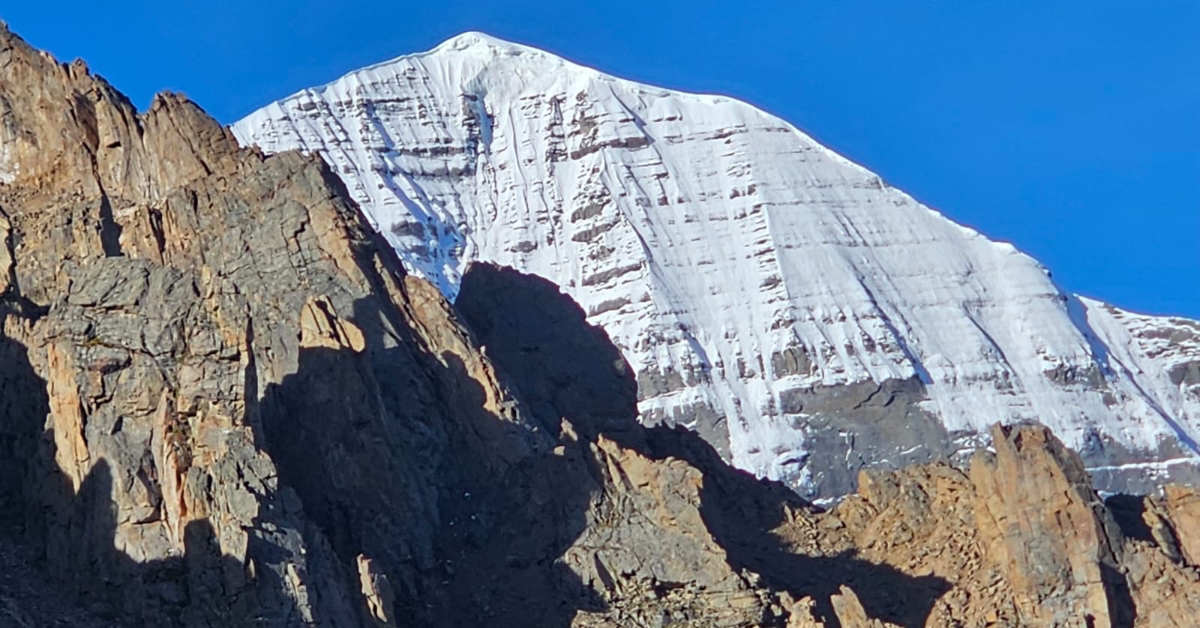
Mount Kailash is a striking, near-symmetrical peak rising to 6,638 meters in the remote Ngari region of far-western Tibet. Nobody climbs it. The summit is considered too sacred to set foot on, so the pilgrimage centers instead on walking a circuit around the mountain, a practice Hindus call parikrama and Tibetan Buddhists call kora.
That circuit runs 52 kilometers around the base of the peak, according to NASA's Earth observation record of the site. Pilgrims typically walk it over three days, and its physical and spiritual high point is the crossing of the Dolma La Pass at roughly 5,630 meters. Devout Tibetan pilgrims sometimes complete the entire loop in a single long day, and a few perform it in prostrations over weeks. Most travelers on a package walk it at a steady pace with support.
Lake Mansarovar sits nearby at about 4,590 meters, one of the highest freshwater lakes in the world. Its still, turquoise water is a place of ritual bathing and quiet reflection, and many itineraries build in time to camp or stay on its shore. Together the mountain and the lake form the heart of the yatra: the kora is the effort, and Mansarovar is the pause.
For travelers who reach the region, the plateau itself becomes part of the experience. The light is thin and hard, the horizon runs for miles, and the small settlements along the way, Darchen at the base of the mountain and the villages near the lake, give the journey its rhythm. This is a pilgrimage first and a sightseeing trip second, and packages are built around that priority.
Route Options: Overland via Nepal and Lhasa
Almost every commercial package for international travelers begins in Kathmandu, because Nepal is the easiest gateway for arranging the Tibet permits and grouping travelers together. From there, two overland routes dominate.
The direct Kerung overland route
This is the faster, more common option. You travel by road from Kathmandu to the Kerung (Gyirong) border, cross into Tibet, and then drive northwest across the plateau to Darchen at the foot of Mount Kailash. The route passes Saga and other high towns, giving the body time to adjust before the kora begins.
- Typical duration: 12 to 14 days round trip from Kathmandu.
- Best for: Travelers on a tighter schedule who still want a fully supported overland journey.
- Trade-off: Less time for gradual acclimatization than the Lhasa route, so operators build in rest days that you should not skip.
The overland route via Lhasa
This longer version flies or drives you to Lhasa first, then travels overland across Tibet to Kailash. Adding Lhasa does two useful things. It gives you a cultural and historical anchor, with the Potala Palace, Jokhang Temple, and the old city, and it spreads the altitude gain over more days, which helps your body cope.
- Typical duration: 15 to 16 days.
- Best for: First-time visitors to Tibet who want context and a gentler acclimatization curve.
- Trade-off: Higher cost and more days off work.
A third path exists for Indian nationals: the official yatra organized by India's Ministry of External Affairs, which crosses at Lipulekh or Nathula rather than going through Nepal. It runs on a fixed government calendar with a selection process and limited seats, so it is a different planning track from the Kathmandu-based packages most operators sell. If you hold an Indian passport, it is worth comparing both.
For a broader sense of how small-group Tibet travel is organized, our overview of Tibet group tours explains how permits, guides, and shared logistics come together on the plateau.
Package Inclusions, Durations, and Pricing Tiers
The word "package" hides a lot of variation, so read the inclusions line by line before comparing two prices. A cheaper number often means fewer meals covered, larger groups, or basic guesthouse rooms instead of the better available lodging.
What a standard package usually includes
- All Tibet permits and the group visa, arranged by the operator (this is not optional and cannot be skipped).
- Ground transport across Tibet, typically by 4WD vehicle or coach depending on group size.
- Accommodation, ranging from simple guesthouses on the plateau to hotels in Kathmandu and Lhasa.
- Meals, though whether all three are covered every day varies, so check.
- An experienced guide, and on many trips a supporting Tibetan guide required by local regulations.
- Support yaks or porters for the three-day kora, carrying tents and gear.
What is often excluded
- International flights to Kathmandu.
- Nepal visa and personal travel insurance with high-altitude and evacuation cover.
- Emergency helicopter or vehicle evacuation costs.
- Personal trekking gear, tips, and drinks.
Rough pricing tiers
Prices shift year to year with permit fees, fuel, and exchange rates, so treat these as planning ranges and confirm the current figure when you book.
- Group budget tier (roughly USD 1,800 to 2,400): Larger shared groups, the direct Kerung route, guesthouse accommodation, essential meals.
- Standard group tier (roughly USD 2,400 to 3,000): Smaller groups, better lodging in Kathmandu and Lhasa, more meals included, sometimes the Lhasa cultural leg.
- Private and premium tier (USD 3,500 and up): Private vehicles, flexible pacing, upgraded hotels, and often a helicopter segment on the Nepal side to shorten the road.
A helicopter option appeals to travelers short on time or worried about long days of driving, and it can cut two or more days off the itinerary. It costs considerably more and still requires the same acclimatization discipline once you are at altitude, so it saves road hours rather than removing the physical demands of the kora.
Permits, Health Prep, and Altitude Considerations
Permits are where independent travel plans fall apart. Foreign travelers cannot enter or move around Tibet on their own. You must join an organized tour, and a licensed operator arranges two things on your behalf: the Tibet Travel Permit, which authorizes your entry, and the Tibet Group Visa, issued to the group as a unit when you cross from Nepal. Because the group visa is shared, your whole party generally enters and exits together, which is one reason these trips are sold as fixed departures.
Indian pilgrims face a related but separate warning. India's Ministry of External Affairs has advised citizens not to undertake the yatra through private operators without securing the required Chinese entry permit and visa, after travelers ran into documentation problems at the border. That advisory, issued through official government channels, is a reminder to confirm that whatever package you book has your paperwork genuinely in hand before you leave. Ask your operator to show you how and when your permit is processed.
Understanding the altitude
This is the part travelers underestimate. Much of the route sits above 4,500 meters, and the Dolma La crossing tops out around 5,630 meters. Altitude, not distance, is what makes people turn back.
According to the US Centers for Disease Control and Prevention, altitude illness can begin at elevations of 2,450 meters and above, and roughly a quarter of visitors to that modest height experience acute mountain sickness. On treks that reach above 4,300 meters, the CDC notes that up to 30 percent of travelers develop symptoms. The same guidance recommends ascending no more than 500 meters per night once above 3,000 meters, and adding a rest day for every 1,000 meters of elevation gained. Every figure on the Kailash route sits well inside the range where this advice matters.
What that means in practice:
- Do not rush the plateau. A good package builds in acclimatization days. If an itinerary races to Kailash in the fewest possible days, that is a red flag, not a bargain.
- Talk to a travel-medicine clinic before you go about acetazolamide (Diamox) and what to do if symptoms appear.
- Know the descent rule. If altitude sickness worsens, the treatment is to go down, and your guide should be ready to act on that.
- Build baseline fitness, but do not confuse fitness with immunity. Fit people get altitude sickness too. Patience matters more than athletic ability here.
Travelers who have done other Himalayan routes will recognize the discipline involved. If you are new to it, our season-by-season look at the best time to trek in Nepal gives useful context on how weather and altitude shape a Himalayan trip.
Best Months for the Pilgrimage
The practical window runs from May to September. Outside those months, snow closes the high passes, the Dolma La becomes dangerous or impassable, and most operators do not run departures. Within the season, conditions and crowds shift noticeably.
- May and June: Generally clear and stable, and the most popular period. This is also when the Saga Dawa festival falls, the full-moon celebration marking the Buddha's birth, enlightenment, and passing. Pilgrims gather in large numbers near Darchen for the raising of a great prayer-flag pole, and the atmosphere is at its most charged. Expect higher prices and early sell-outs.
- July and August: The monsoon affects Nepal more than Tibet's rain-shadowed plateau, but the road approach through Nepal can see landslides and delays. Kailash itself stays relatively dry.
- September: Often the quietest good month. Skies tend to be clear, crowds thin after the summer, and temperatures remain workable before the cold closes in.
If the Saga Dawa experience is your priority, book many months ahead, because both permits and the better group departures around the full moon are limited. If you would rather have space and calm, aim for September. Either way, the season is short, and the most sought-after dates are gone earliest.
Choosing Between a Group and Private Package
Group departures are how most people travel to Kailash, and for good reason. Sharing a vehicle, a guide, and permit logistics across a group of travelers keeps the per-person cost down, and the fixed group visa structure suits organized parties anyway. A group of ten to fifteen is common on standard tours.
A private package makes sense in specific situations:
- You want to set your own pace on the kora and rest days, rather than move on the group's schedule.
- You are traveling with family or a temple community and would rather keep your own party together.
- You have fixed dates that do not line up with a scheduled group departure.
The cost gap is real. A private trip can run well above the group tiers because you carry the full vehicle and guide cost rather than splitting it. What you buy is flexibility and privacy, not a different mountain.
One point worth checking either way: group size on the kora itself. A smaller walking group tends to move more coherently at altitude, and it is easier for a guide to watch each person for early signs of altitude sickness when there are ten rather than thirty.
What Daily Life on the Yatra Looks Like
Knowing the shape of the days helps you judge whether an itinerary is realistic. After the drive across the plateau to Darchen, the three-day kora unfolds roughly like this.
- Day one: A moderate walk from Darchen along the western valley to the first night's stop, often near Dirapuk with its clear views of Kailash's north face. Expect five to seven hours on your feet.
- Day two: The hardest day, and the reason acclimatization matters. You climb to the Dolma La Pass at around 5,630 meters, then descend the far side. Six to nine hours is typical, at a deliberately slow pace.
- Day three: A gentler walk out of the valley back toward the road, closing the loop.
Support yaks or porters carry the heavy gear, so you walk with a daypack. Nights on the circuit are cold and basic, in simple guesthouses or tents. None of this is technical mountaineering. There is no rope, no climbing, no exposure to fall from. What it asks is steady walking at thin-air altitude, and the willingness to go slowly.
Common Mistakes to Avoid
A few errors show up again and again, and each is avoidable with a little planning.
- Booking the shortest possible itinerary to save money. The days you cut are usually acclimatization days, and skipping them is the fastest route to a trip that ends early at a clinic.
- Confusing a low headline price with a complete package. Read what meals, permits, and support are actually included before comparing two quotes.
- Underestimating the cold and the dryness. Nights are far colder than the daytime plateau sun suggests, and the dry air dehydrates you quickly.
- Skipping evacuation insurance. In this remote a region, an evacuation is expensive and slow, and travel insurance that covers high-altitude trekking and helicopter rescue is not a luxury.
- Treating fitness as protection against altitude. It is not. Ascend gradually regardless of how strong you feel on day one.
- Leaving permits to chance. Confirm your operator's process for the Tibet Travel Permit and group visa, and never assume it will "sort itself out" at the border.
Etiquette and Respecting a Sacred Place
Kailash is an active place of worship for millions of people, and travelers are guests in it. A little awareness goes a long way.
- Walk the kora clockwise if you follow the Hindu and Buddhist tradition. Bon pilgrims walk counter-clockwise; either way, stay aware of the direction others are moving.
- Ask before photographing pilgrims, monks, or people in prayer. Many are in a deeply personal moment.
- Do not climb on shrines or move prayer stones and flags. Leave offerings and mani stones as you find them.
- Carry out your rubbish. The plateau is fragile and remote, and waste does not break down at altitude.
- Dress and behave modestly at Lake Mansarovar and around temples and monasteries.
Responsible travel is not only courtesy. It is what keeps these routes open and welcoming, and it is central to how thoughtful operators run their trips. If Tibetan and Himalayan culture draws you, our guide to Bhutan adventure holidays explores a neighboring Buddhist kingdom with the same emphasis on cultural respect.
Booking a Kailash Mansarovar Yatra Package
By the time you are comparing packages, you are close to committing, so use a short checklist to separate a solid operator from a thin listing.
- Confirm the permit process in writing. A credible operator explains exactly how your Tibet Travel Permit and group visa are handled, and by when.
- Match the route to your calendar and your body. Choose the Lhasa route if you want gentler acclimatization and cultural time, or the Kerung route if days are tight, and make sure rest days are built in either way.
- Read the full inclusions list. Meals, accommodation grade, kora support, and what is excluded all belong on the page before you pay.
- Check group size, both in the vehicle and on the kora.
- Ask about the guide's altitude experience and the operator's emergency and evacuation plan.
- Book early for Saga Dawa dates, which sell out first.
Mission Nepal Holidays organizes Kailash Mansarovar Yatra packages from Kathmandu with licensed guides, full permit handling, and both overland routes, alongside wider Himalayan journeys across Nepal, Tibet, and Bhutan. If you are still mapping out a larger trip, our roundup of the best Nepal trekking tours shows how a Kailash pilgrimage can fit into a broader adventure.
When you are ready, take the concrete next step: write down your travel dates, decide between the Lhasa and Kerung routes, and ask an operator for a full inclusions breakdown against those dates so you can compare like for like. Get those three things settled, and the rest of the planning falls into place.
Frequently asked questions
How much does a Kailash Mansarovar Yatra package usually cost?
Most group overland packages from Kathmandu fall roughly between USD 1,800 and USD 3,500 per person, depending on duration, group size, and whether the trip includes the Lhasa cultural leg. Private and luxury tours cost more.
How many days do I need for the yatra?
Plan for 12 to 16 days. The shorter Kerung overland route runs around 12 to 14 days, while routes that add Lhasa and gradual acclimatization typically run 15 to 16 days.
Can a first-timer complete the Kailash kora?
Yes, for most reasonably fit walkers. The 52-kilometer circuit is spread over three days, and patience with the altitude matters more than athletic ability. Confirm the daily walking hours with your operator before you book.
Do foreigners need special permits for Mount Kailash?
Yes. Foreign travelers cannot travel independently in Tibet. A licensed operator arranges the Tibet Travel Permit and the Tibet Group Visa, and you enter as part of an organized group.
When is the best time to go?
May through September, when the passes are clear of snow. The Saga Dawa full moon in late May or early June is the most sacred and busiest period, so book those dates well ahead.