
Tibetan in Tibet: Culture, People & Traditions
Activities Highlights
Key takeaways
- Tibetans are the majority ethnic group across the Tibet Autonomous Region, living mostly on a high plateau that sits far above most inhabited land on Earth.
- Tibetan Buddhism shapes daily life, from prayer wheels and mani stones to the kora, the clockwise walk pilgrims make around sacred sites.
- Losar, the Tibetan New Year, is the biggest festival of the year and usually falls in February or early March.
- Respectful travel means walking clockwise around temples, asking before photographing monks, and following your guide's lead on what not to touch or discuss.
- Foreign visitors cannot travel independently in Tibet; a licensed guide and permits arranged in advance are required, which makes a guided tour the practical way in.
If you are trying to understand the Tibetan people in Tibet, start with the land itself. Tibetans are a distinct ethnic group who have lived for centuries on one of the highest inhabited plateaus on Earth, and almost everything about their culture, from the food to the faith to the pace of daily life, is shaped by that altitude and isolation.
This guide walks you through who Tibetans are, how they live, what they believe, the festivals and food you are likely to encounter, and how to travel among them without causing offense. It is written for the traveler who wants context before a trip, not a brochure. By the end you will know what you are looking at when you reach Lhasa, and how to behave once you are there.
Who the Tibetan People Are and Where They Live
Tibetans are the majority ethnic group across the Tibet Autonomous Region, the part of southwestern China that most people mean when they say "Tibet." Large Tibetan communities also live in neighboring Chinese provinces such as Qinghai, Sichuan, Gansu, and Yunnan, and sizable populations have settled across the border in Nepal and India, including a well-known exile community around Dharamsala.
What ties these communities together is not a single national border. It is a shared language family, a Buddhist religious tradition, and a way of life adapted to thin air and hard winters. Historically, Tibetan society included farmers in the river valleys, nomadic herders on the open grassland, and a large monastic population attached to monasteries. You still see traces of all three today.
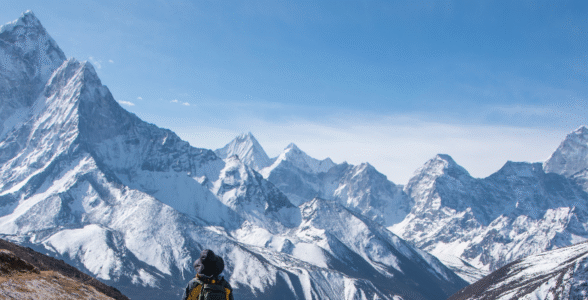
The plateau itself sits at a very high average elevation, high enough that visitors from lower altitudes usually need days to acclimatize before they feel normal. This geography kept Tibet relatively cut off for long stretches of history, which is part of why its culture developed such a strong, self-contained character. When people call it the "Roof of the World," they are describing a real physical fact that has shaped everything from crop choices to religious practice.
Language, Dress, and Daily Life on the Plateau
The Tibetan language has several regional dialects. Someone from the far east of the Tibetan cultural area and someone from Lhasa may struggle to understand each other in casual speech, though the written language unites them. Lhasa Tibetan is the form most travelers hear in the capital. Classical Tibetan, the older written language, remains the language of Buddhist scripture, which is one reason monasteries have played such a central role in preserving the culture.
Traditional dress is still common, especially outside the cities and on festival days. The signature garment is the chuba, a long, heavy wrapped robe that men and women both wear, cinched at the waist so the upper part can be loosened for warmth or freedom of movement. Herders often wear sheepskin versions. Women in some regions add a striped woolen apron called a pangden, and you will see coral, turquoise, and silver jewelry worn with obvious pride.
Daily life varies sharply between town and countryside. In Lhasa you find a modern city layered over an old pilgrimage center, with markets, tea houses, and traffic. Out on the grassland, nomadic families still move seasonally with yaks and sheep, living in tents and depending on their animals for milk, meat, wool, and dung fuel. The yak is central to plateau life. It carries loads, provides food and fiber, and its butter fuels the lamps that flicker in every temple.
Buddhism, Monasteries, and Pilgrimage Traditions
Tibetan Buddhism is the thread running through nearly everything. It is a distinct branch of Buddhism, rich in ritual, that absorbed elements of the older Bon religion native to the plateau. You do not need to study it to feel its presence. It is in the prayer wheels people spin as they walk, the strings of prayer flags on every pass, the carved mani stones stacked beside trails, and the low sound of chanting drifting out of temple doors.
Monasteries are the institutional heart of this faith. Historically they were centers of learning, art, medicine, and governance, not only worship. Large monasteries near Lhasa such as Sera and Drepung once housed thousands of monks, and Sera is still known for the lively afternoon debates where monks clap and gesture to challenge each other on points of doctrine. Watching a debate session is one of the more memorable things a visitor can do, and it is usually open to respectful onlookers.
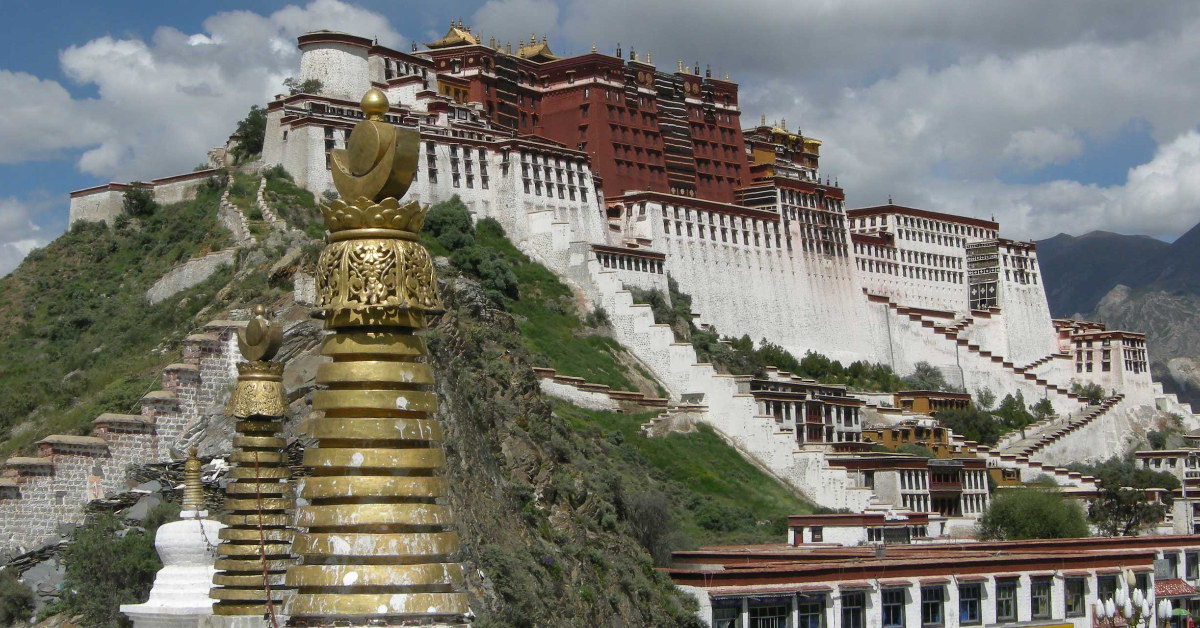
The Potala Palace in Lhasa is the most recognizable Tibetan building in the world, a vast white and red structure rising over the city that once served as the seat of the Dalai Lamas. Along with the Jokhang Temple and the Norbulingka summer palace, it forms a group of sites recognized by UNESCO for their cultural importance. The Jokhang, in the old center of Lhasa, is considered the most sacred temple in Tibet, and the crowd of pilgrims prostrating in front of it at dawn tells you why.
The Kora: Walking as Devotion
Pilgrimage is central to Tibetan practice, and it often takes the form of a kora, a clockwise circuit walked around a sacred object, temple, or mountain. Pilgrims spin prayer wheels or count mantras on beads as they go. Around the Jokhang, the pilgrimage route is called the Barkhor, and it doubles as a bustling market street. The most demanding kora of all circles Mount Kailash in western Tibet, a route of roughly 52 kilometers that pilgrims complete over about three days, crossing a high pass on the way. Some devotees measure the entire distance in body-length prostrations, a practice that can stretch a three-day walk into weeks. If you are drawn to that particular journey, our Kailash Mansarovar Yatra guide explains the routes and what the circuit actually demands.
Festivals and Food You Will Encounter
Tibetan festivals follow a lunar calendar, so their dates shift each year. The largest is Losar, the Tibetan New Year, which usually falls in February or early March and unfolds over several days of family gatherings, temple visits, special foods, and public celebration. Homes are cleaned and decorated, offerings are made, and the mood is warm and communal. If your trip overlaps with Losar, expect crowds at temples and a genuine sense of occasion.
Other festivals dot the calendar. Saga Dawa marks the Buddha's birth, enlightenment, and passing, and it fills pilgrimage routes with extra walkers. Monastery festivals feature cham, masked ritual dances performed by monks in elaborate costumes to represent the triumph of good over harmful forces. Watching cham is a strong reason to time a visit around a specific monastery's festival day, though you should confirm exact dates when you book, since they move with the lunar calendar.
Tibetan food is built for cold and altitude, so it leans hearty and simple. A few things you will meet often:
- Tsampa, roasted barley flour, the staple that Tibetans mix with tea into a dough. It is compact, filling, and easy to carry, which is why herders and pilgrims have relied on it for generations.
- Butter tea, called po cha, a salty brew of tea, yak butter, and salt. It is an acquired taste for outsiders, but it delivers warmth and fat that make sense at altitude.
- Momos, steamed or fried dumplings filled with meat or vegetables, popular across the Himalaya and easy to love.
- Thukpa, a warming noodle soup that turns up everywhere and rarely disappoints on a cold day.
- Yak meat and dairy, from dried yak jerky to fresh yogurt, which appear in many meals.
You do not have to embrace every dish, but trying tsampa and butter tea at least once gives you a real taste of how the plateau feeds itself.
Respectful Travel and Cultural Etiquette
Tibet is a living religious landscape, not a museum, and small courtesies matter a great deal. Getting the etiquette right is the difference between being a welcome guest and an awkward one. Most of it is easy once you know the rules.
- Walk clockwise. Around temples, stupas, mani walls, and prayer wheels, always move in a clockwise direction, the same way pilgrims do. Spin prayer wheels clockwise too.
- Ask before photographing people. Monks, pilgrims, and elders may or may not want their picture taken. Ask first, and accept a refusal gracefully. Photography is often banned inside temple halls, so wait for your guide's signal.
- Dress modestly. Cover your shoulders and knees at religious sites. Remove hats indoors in temples, and never wear a hat while receiving a blessing.
- Do not touch sacred objects. Statues, offerings, and religious texts should not be handled or stepped over. Do not point your feet at an altar or a person, and avoid pointing at sacred images with a single finger.
- Handle donations and the Dalai Lama topic carefully. Small offerings at temples are appreciated. Political topics, especially anything touching on the Dalai Lama, are sensitive and can put local people at risk. Let your guide steer these conversations.
- Accept the khata scarf with both hands. If you are offered a white ceremonial scarf, receive it with both hands as a sign of respect.
None of this is complicated, and locals are generally forgiving of honest mistakes made by someone clearly trying. The travelers who cause offense are almost always the ones who never bothered to learn.
Common Mistakes Visitors Make
A few errors come up again and again. Rushing your acclimatization is the most common and the most dangerous. Lhasa alone sits high enough that flying straight in and charging around on day one can leave you genuinely ill, so plan rest into your first days. Other frequent missteps include walking counterclockwise around a shrine out of habit, photographing inside temples where it is forbidden, and treating a butter lamp or altar as a backdrop for a selfie. Patience and observation solve almost all of them. When in doubt, watch what pilgrims do and follow.
Experiencing Tibetan Culture on a Guided Tour
There is a practical reason most travelers experience Tibet on an organized tour: independent foreign travel is not permitted. To visit the Tibet Autonomous Region, you need a Tibet Travel Permit, which you cannot obtain on your own, along with a licensed guide who accompanies you throughout. These arrangements have to be made in advance through a registered operator, so a guided tour is the realistic way in rather than an upsell.
A good guide does far more than clear the paperwork. They translate not only the language but the meaning behind what you are seeing, why pilgrims prostrate, what a particular mural depicts, when to stay quiet and when it is fine to ask questions. That context is the difference between watching a debate at Sera and understanding it. Mission Nepal Holidays runs guided cultural journeys across the plateau with Tibetan-speaking guides, and our Tibet group tours are built around exactly this kind of slow, respectful encounter with the culture rather than a checklist of monuments.
Because altitude shapes any Tibet itinerary, timing and pacing matter as much as the sights. Many travelers combine Tibet with a wider Himalayan trip, entering overland from Nepal, which gives your body a gentler introduction to elevation and lets you see the mountains from both sides. Thinking through the season early will save you from weather and crowd surprises.
When to Go and How to Prepare
The most comfortable months to visit Tibet are generally late spring through autumn, when the passes are open and the days are milder, though this also brings more visitors to Lhasa. Winter is cold and quiet, with some sites and routes harder to reach, but it can reward those who do not mind the chill with thinner crowds and clear skies. Festival dates, which move each year, are worth checking early if a specific celebration is on your list.
Preparation is mostly about altitude and layers. Give yourself acclimatization days, drink plenty of water, and talk to a doctor about altitude medication before you go. Pack for a climate that swings from strong midday sun to hard overnight cold, sometimes within a single day. Sun protection is not optional at this elevation, and warm layers earn their place in your bag even in summer.
Final Thoughts
Tibetan culture rewards travelers who arrive curious and unhurried. The prayer flags, the butter lamps, the slow clockwise walk of pilgrims around an ancient temple: these are not performances put on for visitors but the ordinary texture of a living faith, and you get far more from them when you understand what you are seeing. Learn a little before you go, follow your guide's lead, and give your body time to adjust to the altitude.
When you are ready to turn that curiosity into a real trip, talk to Mission Nepal Holidays about a guided Tibet journey that fits your pace, your interests, and the time you have.
Frequently asked questions
Who are the Tibetan people?
Tibetans are an ethnic group native to the Tibetan Plateau, spread across the Tibet Autonomous Region and neighboring parts of China, Nepal, and India. They share a distinct language, a Buddhist religious tradition, and a way of life adapted to high altitude.
What language do Tibetans speak?
Most speak a form of Tibetan, which has several regional dialects that can differ enough to make speakers from distant areas hard to understand. Lhasa Tibetan is the most widely recognized spoken form, and classical Tibetan is the written language of Buddhist scripture.
What is the main religion in Tibet?
Tibetan Buddhism is the dominant faith, blended in places with older Bon traditions. It shapes festivals, monasteries, pilgrimage routes, and countless small daily rituals.
Can tourists visit Tibetan monasteries?
Yes. Many major monasteries welcome visitors, though you should dress modestly, walk clockwise, ask before taking photos, and avoid disturbing monks during prayer. A guide will tell you the specific rules at each site.
Do I need a guide to visit Tibet?
Yes. Foreign travelers cannot trek or tour Tibet independently. You need a Tibet Travel Permit and a licensed guide, both arranged through a registered operator before you arrive.