
Muktinath: The Sacred Gateway to Salvation in Nepal

Activities Highlights

Nepal is a land of ancient temples, timeless spirituality, and breathtaking Himalayan landscapes. Among its many sacred destinations, Muktinath Temple Nepal stands out as one of the holiest pilgrimage sites for both Hindus and Buddhists. Located high in the Mustang district at an altitude of 3,760 meters, Muktinath is more than just a temple—it is a place of faith, liberation, peace, and spiritual harmony.
Every year, thousands of pilgrims, trekkers, and travelers journey to Muktinath to experience its sacred atmosphere, stunning Himalayan views, and powerful spiritual energy. Whether you arrive after crossing Thorong La Pass on the Annapurna Circuit Trek or by road from Pokhara and Jomsom, Muktinath leaves a lasting impression on every visitor.
What Does Muktinath Mean?
The name Muktinath comes from two Sanskrit words:
- Mukti meaning liberation or salvation
- Nath meaning lord or master
Together, Muktinath means “Lord of Liberation.”
For centuries, devotees have believed that worshipping at Muktinath Temple helps free the soul from the cycle of birth and rebirth. This deep spiritual meaning makes Muktinath one of the most sacred pilgrimage destinations in Nepal and the Himalayas.
Where is Muktinath Temple Located?
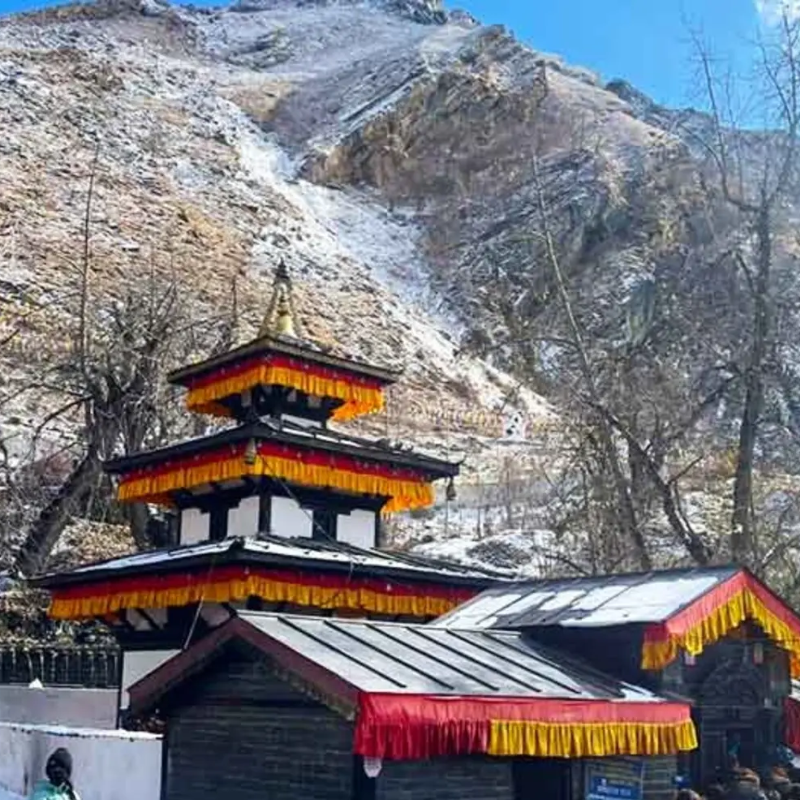
Muktinath Temple is located in the Mustang district of Nepal, near the famous Thorong La Pass in the Annapurna region. Sitting at an elevation of 3,760 meters (12,336 feet) above sea level, the temple lies within Nepal’s unique trans-Himalayan landscape.
The surrounding region is known for:
- Dry desert-like valleys
- Snow-covered Himalayan peaks
- Strong mountain winds
- Tibetan-influenced culture
- Ancient monasteries and pilgrimage routes
The nearest settlement is Ranipauwa, where most travelers stay before visiting the temple complex.
Religious Importance of Muktinath Temple
Muktinath for Hindus
For Hindus, Muktinath Temple is dedicated to Lord Vishnu, worshipped here as Mukti Narayan. It is considered one of the most important Vishnu temples in South Asia and one of the 108 Divya Desams.
Hindu pilgrims believe that:
- Bathing in the sacred waters cleanses sins
- Worshipping at Muktinath grants moksha (liberation)
- Visiting the temple brings peace, blessings, and spiritual purification
Families travel from Nepal, India, and beyond to offer prayers and perform rituals at this holy site.
Muktinath for Buddhists
Muktinath Temple is equally sacred for Buddhists, especially Tibetan Buddhists, who know the site as Chumig Gyatsa, meaning “Hundred Waters.”
Buddhists associate the region with:
- Guru Rinpoche (Padmasambhava)
- Avalokiteshvara (Chenrezig)
- Sacred natural elements of fire, water, earth, and air
The peaceful coexistence of Hindu and Buddhist traditions at Muktinath reflects Nepal’s remarkable spiritual harmony and cultural unity.
Major Attractions at Muktinath Temple
The Main Muktinath Temple
At the center of the sacred complex stands the ancient Muktinath Temple, built in pagoda style and surrounded by prayer flags, shrines, monasteries, and mountain scenery.
The temple atmosphere feels calm and spiritual, with pilgrims chanting prayers, monks meditating, and bells ringing softly in the Himalayan wind.
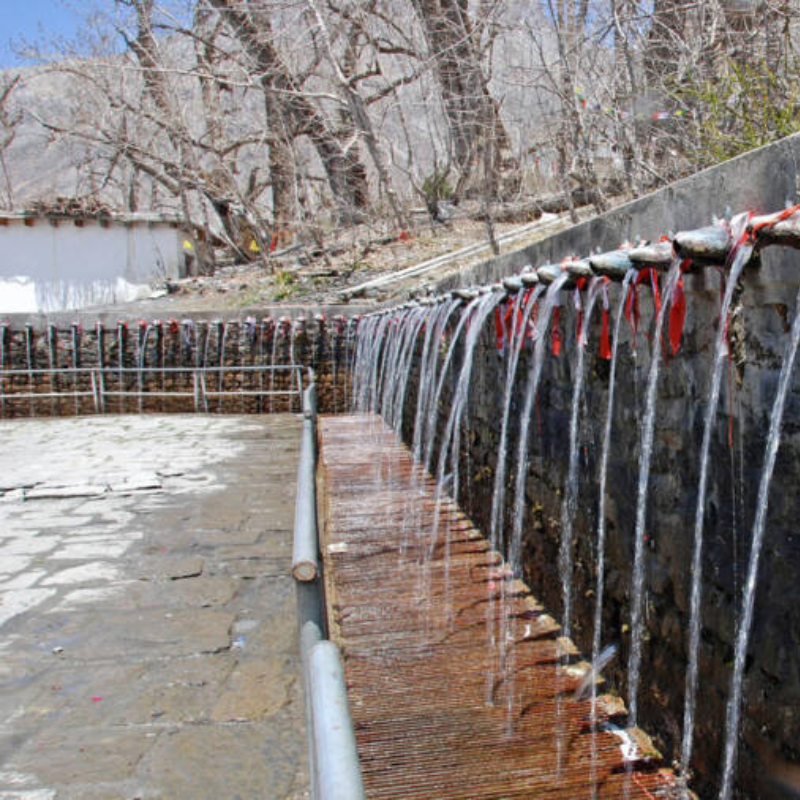
The 108 Water Spouts (Muktidhara)
One of the most famous attractions at Muktinath is the 108 sacred water spouts, known as Muktidhara.
Pilgrims walk beneath each icy water stream as part of a purification ritual believed to wash away sins and negative karma. Despite the freezing temperature, many devotees complete this sacred bath with devotion and faith.
Jwala Mai Temple – The Eternal Flame
Another remarkable attraction is the Jwala Mai Temple, where a natural eternal flame burns continuously due to underground natural gas.
The symbolism of fire and water existing together in the Himalayas creates a deeply mystical and spiritual atmosphere. This sacred flame has amazed pilgrims and travelers for generations.
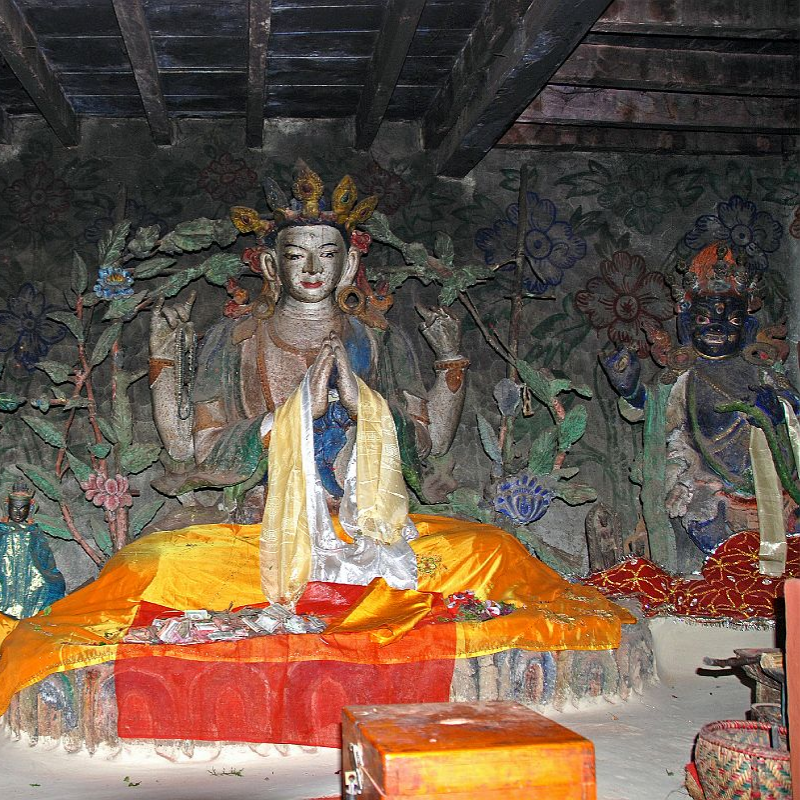
Narsingh Gompa
Located near the temple complex, Narsingh Gompa is an important Buddhist monastery often called the “Temple of 1,000 Lamps.”
The monastery reflects the rich Buddhist heritage of Mustang and adds to the peaceful spiritual atmosphere of Muktinath.
Stunning Himalayan Views from Muktinath
Besides its spiritual importance, Muktinath is also famous for its breathtaking Himalayan scenery.
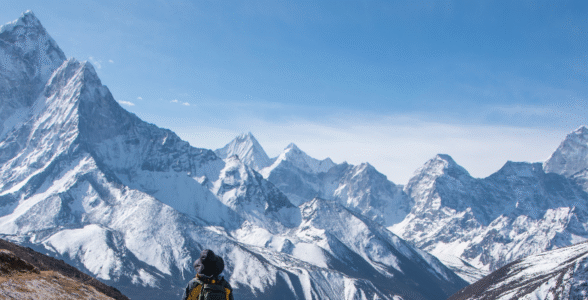
On clear days, visitors can enjoy spectacular views of:
- Dhaulagiri I (8,167m)
- Annapurna I (8,091m)
- Nilgiri Himal
The contrast between snow-covered peaks and Mustang’s dry desert landscape creates one of the most dramatic panoramas in Nepal.
How to Reach Muktinath Temple Nepal
By Flight
The fastest way to reach Muktinath is:
- Kathmandu → Pokhara
- Pokhara → Jomsom flight
- Jeep or short drive to Muktinath
Flights from Pokhara to Jomsom usually take around 20–30 minutes and offer incredible mountain views.
By Road
Travelers can drive from Pokhara through:
- Beni
- Tatopani
- Marpha
- Jomsom
- Kagbeni
- Ranipauwa
The road journey is adventurous but highly scenic.
By Trekking
Many trekkers visit Muktinath as part of:
- Annapurna Circuit Trek
- Jomsom Muktinath Trek
Reaching Muktinath after crossing Thorong La Pass is considered one of the most rewarding trekking experiences in Nepal.
Best Time to Visit Muktinath
The best seasons to visit Muktinath Temple are:
Spring (March to May)
- Clear mountain views
- Pleasant temperatures
- Blooming rhododendrons
Autumn (September to November)
- Stable weather
- Excellent visibility
- Best trekking conditions
Winter is colder with snowfall, while monsoon season can affect road conditions and flights.
Important Travel Tips for Muktinath
Because Muktinath lies at high altitude, proper preparation is important.
Things to Carry
- Warm clothing
- Windproof jacket
- Comfortable trekking shoes
- Sunglasses and sunscreen
- Reusable water bottle
- Basic medicines
- Power bank
- Cash in small notes
Altitude Precautions
At 3,760 meters, some visitors may experience:
- Mild headaches
- Fatigue
- Shortness of breath
To stay comfortable:
- Walk slowly
- Drink plenty of water
- Avoid alcohol
- Take time to acclimatize
These simple precautions help ensure a safe and enjoyable visit to Muktinath Temple Nepal.
Why Muktinath is Special
What makes Muktinath truly unique is not only its religious importance but also its atmosphere.
Here, pilgrims, trekkers, monks, and travelers from around the world gather peacefully in one sacred space. The combination of ancient spirituality, Himalayan beauty, desert landscapes, and cultural harmony creates an experience unlike anywhere else in Nepal.
Muktinath is not simply a destination—it is a journey into faith, peace, and inner reflection.
Final Thoughts
Visiting Muktinath Temple Nepal is a deeply meaningful experience for anyone seeking spirituality, adventure, or cultural discovery. Surrounded by the mighty Himalayas and blessed with centuries of religious significance, Muktinath continues to inspire pilgrims and travelers alike.
Whether you come to seek blessings, complete a Himalayan trek, or simply witness one of Nepal’s most sacred places, Muktinath offers an unforgettable journey filled with peace, beauty, and spiritual connection.
Contact us today to book your sacred pilgrimage to Kailash.