
Bhutan Tshechu Festivals: Dates & Travel Guide
Activities Highlights

Key takeaways
- Tshechu means the tenth day and honors Guru Rinpoche, the master who brought Buddhism to Bhutan in the 8th century.
- Paro Tshechu falls in spring (roughly March or April) and Thimphu Tshechu in autumn (usually September or October), both set by the lunar calendar.
- International visitors pay a Sustainable Development Fee of US$100 per person per night and must travel with a licensed Bhutanese operator.
- Book festival trips four to six months ahead, since dzong lodging and permits around Paro and Thimphu fill quickly.
- Arrive early on the final morning to see the giant thongdrel unfurled at dawn, the emotional peak of the festival.
If you are wondering when to catch a Tshechu and what actually happens at one, the short answer is this: the two easiest festivals to plan around are Paro in spring and Thimphu in autumn, both set by the Bhutanese lunar calendar, and both built around days of masked sacred dance that end with a giant scroll painting unrolled at dawn. A Tshechu is a religious festival, not a staged show for visitors, and understanding that changes how you experience it.
This guide answers the practical questions and the cultural ones. Here is what a Tshechu celebrates, what the masked dances mean, which festivals are worth building a trip around, roughly when they fall, and how to behave once you are standing in a dzong courtyard among a few thousand Bhutanese families in their finest clothes.
What a Tshechu Festival Actually Celebrates
Tshechu means "tenth day" in Dzongkha, the national language of Bhutan. The festivals are held on or around the tenth day of a lunar month, and they honor Guru Rinpoche, also called Padmasambhava, the 8th-century tantric master credited with bringing Vajrayana Buddhism to Bhutan and Tibet. In Himalayan Buddhism he is often called the Second Buddha, and tradition holds that he performed great deeds on the tenth day of the lunar month, which is why communities gather to commemorate him then.
The very first Tshechu, by tradition, was organized by Guru Rinpoche himself in the Bumthang Valley of central Bhutan after he was invited to heal an ailing king. That origin story matters, because it ties the festivals to real places you can still visit. When you attend a Tshechu, you are stepping into a devotional event that Bhutanese families plan their year around, not a folk performance arranged for tourists.
The atmosphere reflects that. People come dressed in their finest, men in the gho and women in the kira, carrying picnic baskets and small children, staying for hours across several days. There is laughter and gossip and food, but there is also genuine reverence. Watching the dances is believed to earn spiritual merit and cleanse past wrongs. If you understand nothing else before you go, understand that you are a guest at someone's most important religious gathering.
To place Bhutan in its wider Himalayan context, including how its Buddhist culture relates to neighboring regions, our overview of Bhutan adventure holidays and cultural tours is a useful companion read.
The Masked Cham Dances and What They Mean
The heart of any Tshechu is cham, the masked ritual dance performed by monks and trained laymen. These are not improvised. Each dance is a precise, memorized choreography passed down for generations, and each one carries meaning. The origins trace back to Guru Rinpoche subduing hostile local spirits and binding them as protectors of the dharma, so many dances re-enact that act of taming and transformation.
Dancers wear heavy brocade and silk costumes and carved wooden masks representing deities, wrathful protectors, animals and mythical beings. The masks are treated as sacred objects. When a dancer puts one on, tradition holds that the deity it represents is temporarily present, which is why the performances are considered blessings rather than entertainment.
A few dances are worth watching for specifically:
- Guru Tshengye, the dance of Guru Rinpoche's eight manifestations, portrays the different forms the master took to teach and protect. It is one of the most revered sequences.
- The Dance of the Lords of the Cremation Grounds features skeleton figures whose leaping, playful movements remind onlookers of impermanence.
- The Dance of the Terrifying Deities presents wrathful protector figures in fierce masks, embodying the forces that guard the teachings.
- Drametse Ngacham, the drum dance from eastern Bhutan, is recognized on UNESCO's list of intangible cultural heritage and is a highlight when it appears.
Between the sacred dances, you will also meet the atsara, the clowns in red masks who joke with the crowd, mimic the dancers and even collect small donations. They lighten the mood, but they also serve a purpose, keeping order and reminding the audience not to take the visible world too seriously. Children love them, and they are one of the warmest parts of the day.
The Thongdrel: The Dawn Unveiling You Should Not Miss
On the final morning of the major Tshechus, before sunrise, monks unfurl a thongdrel, an enormous applique scroll painting that can rise several stories high against the dzong wall. The word roughly translates as "liberation on sight," and the belief is that simply viewing it cleanses the sins of a lifetime. Pilgrims line up in the dark to pass beneath it and receive the blessing.
This is the emotional and spiritual high point of the festival, and it happens early, often around dawn, then the thongdrel is rolled away before direct sunlight can damage the silk. If you attend Paro or Thimphu Tshechu and see nothing else, this is the moment to set an alarm for. Ask your guide the night before exactly when the unveiling is planned, because the timing shifts with the ritual schedule rather than the clock.
Major Festivals: Paro, Thimphu and Beyond
Bhutan holds Tshechus in districts across the country, but a handful stand out for a first-time visitor because of their scale, their setting or their accessibility.
Paro Tshechu
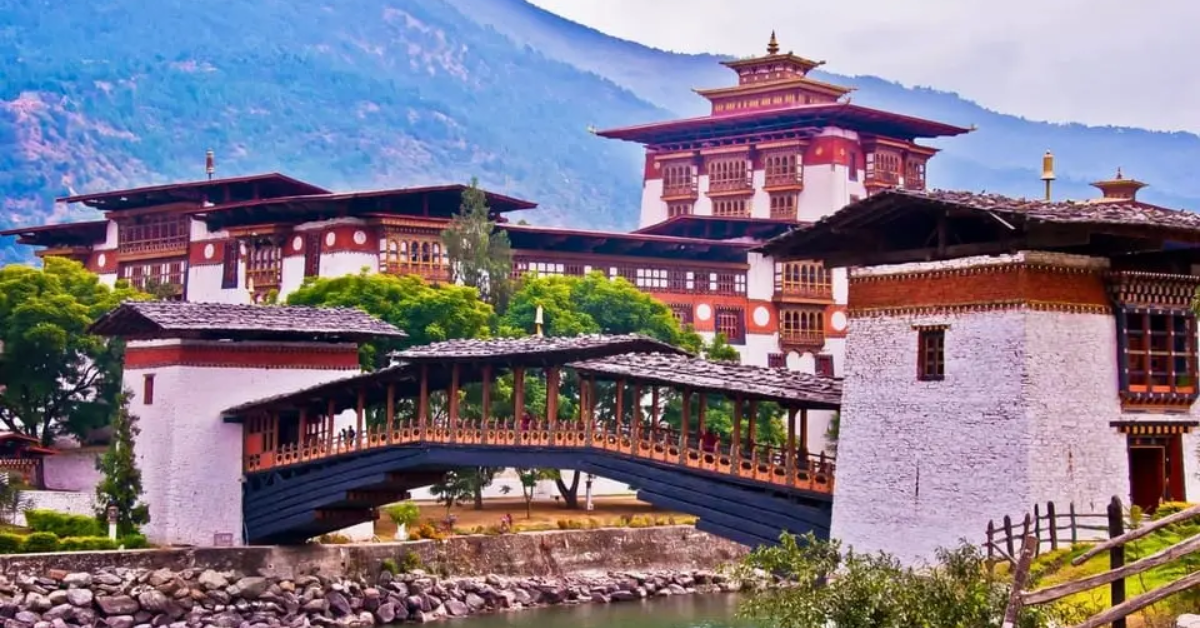
Held at Rinpung Dzong in the Paro Valley, this spring festival runs about five days and is one of the most popular in the country. It is well supported for visitors because Paro has the international airport and a good supply of lodging. The Paro thongdrel unveiling on the final morning is famous and draws large crowds. If you want your first Tshechu to be visually spectacular and logistically simple, Paro is the safe choice.
Thimphu Tshechu
The capital's festival, held at Tashichho Dzong, is the largest in the country and a major social event for the whole valley. Because it is in Thimphu, you can pair it easily with city sightseeing, museums and markets. Expect the biggest crowds here, which means booking accommodation early is essential.
Punakha Drubchen and Tshechu
In the old winter capital, Punakha stages a Drubchen just before its Tshechu. The Drubchen is unusual because it re-enacts a 17th-century Bhutanese victory over Tibetan forces, with local men dressed as warriors of that era. It falls in late winter, which means smaller crowds and pleasant valley weather while the higher districts are still cold. The setting, at the confluence of two rivers, is among the most beautiful in Bhutan.
The Bumthang Festivals
Central Bhutan's Bumthang region, the cradle of the first Tshechu, hosts several autumn festivals, including Jambay Lhakhang Drup and the Jakar Tshechu. Jambay Lhakhang is known for the Mewang, a fire ceremony in which people rush beneath a flaming gate for blessings and fertility, and for the tercham, a sacred naked dance performed at night by masked dancers. Bumthang rewards travelers willing to go beyond the western valleys.
Smaller and Eastern Festivals
Further east, festivals like the Trashigang Tshechu draw devout regional crowds, reportedly on the order of a thousand or more people per day, and see far fewer foreign visitors. These are harder to reach and require more travel days, but they offer a version of the Tshechu with almost no tourism around it. If authenticity over convenience is your priority, ask your operator about the eastern circuit.
Approximate Dates and Why They Move
Here is the honest part about dates: Tshechus follow the Bhutanese lunar calendar, so the exact days shift from year to year on the Western calendar. You can plan around the season reliably, but you must confirm the precise dates with your operator before booking flights.
As a rough guide for 2026:
- Punakha Drubchen and Tshechu: late February, roughly the 24th through the 28th.
- Paro Tshechu: late March into early April, about a five-day window.
- Thimphu Tshechu: September, typically clustered around the third week.
- Wangdue Phodrang Tshechu: usually September or October, close to Thimphu's dates.
- Bumthang festivals (Jambay Lhakhang Drup, Jakar): usually October or November.
Treat these as planning anchors, not guarantees. The official calendar is published by Bhutan's tourism authorities, and dates can be adjusted. Because the western festivals fall in spring and autumn, they line up neatly with Bhutan's best weather, which is part of why they are so popular.
How to Plan Around the Dates
- Pick the season first, festival second. Decide whether you want spring (Paro, Punakha) or autumn (Thimphu, Bumthang), then choose the specific festival within it.
- Book four to six months ahead for Paro or Thimphu. Lodging near the dzongs is limited and fills fast around festival days.
- Add buffer days. Build in a spare day on each side. Domestic timing and ritual schedules shift, and you do not want a single delay to cost you the thongdrel.
- Confirm the exact dates in writing with your operator before you purchase international flights. The lunar calendar makes early guesses unreliable.
- Combine festivals with the rest of Bhutan. A Tshechu is usually two or three mornings of your trip. Fill the rest with dzongs, hikes and valleys.
Getting Into Bhutan: Guides, Permits and the Fee
Bhutan does not allow independent tourism the way most countries do, and this is central to planning any festival trip. International visitors must book through a licensed Bhutanese tour operator, who arranges your visa, guide, transport and festival access. You cannot simply fly in and wander into a Tshechu on your own.
There is also the Sustainable Development Fee, a per-night charge that funds Bhutan's healthcare, education, infrastructure and environmental programs. According to the official Visit Bhutan tourism portal, the fee for international tourists is US$100 per person per night, children aged 6 to 12 receive a 50% reduction, and children under 6 are exempt. Indian nationals pay a separate rate set in rupees. Confirm the current figure when you book, since Bhutan has revised this policy before.
What this means in practice is simple. Your festival trip is a guided, permitted package from the moment you arrive, and the fee is part of the cost of visiting a country that deliberately manages its tourism numbers. It is one reason Tshechus have not been overwhelmed the way festivals elsewhere in the region sometimes are.
Etiquette Inside the Dzong Courtyard
A Tshechu is a religious gathering, and behaving as a respectful guest matters more than any photo you might take. The Bhutanese are gracious hosts, but a few habits will keep you on the right side of local expectations.
- Dress modestly and neatly. Cover shoulders and knees. Long trousers or skirts and a collared or long-sleeved top are appropriate. Bhutanese attend in their formal best, so a little effort is noticed and appreciated.
- Remove hats and sunglasses during the most sacred moments, especially near the thongdrel and inside temple areas.
- Do not point your feet at altars, monks or sacred objects when seated on the ground. Tuck your feet behind you.
- Stay seated and quiet during ritual dances. Do not walk across the performance space or crowd the dancers for a better angle.
- Follow your guide's cues. Your guide knows when a moment is sacred and when it is relaxed, and will tell you when to lower your camera or step back.
- Never touch masks, costumes or ritual items, even when they are set aside. They are consecrated.
- Accept the atsara's teasing with good humor. If a clown targets you, it is a friendly gesture, not an insult.
Photography Tips That Respect the Ritual
The cham dances are extraordinarily photogenic, and photography is generally allowed in the courtyard, but there are limits worth knowing before you raise a camera.
- No photography inside temples. Interiors, altars and many sacred halls are off limits. Look for signs, and when in doubt, ask.
- Ask before photographing people up close. A quiet gesture toward your camera and a smile is usually enough. Most people agree warmly, but the choice is theirs.
- Lower your camera the instant a monk or official signals. During certain rituals and the thongdrel unveiling, photography may be paused entirely.
- Skip the flash. It disrupts the ceremony and rarely improves a shot in daylight.
- Arrive early for position. The courtyard fills quickly. A spot on the edge with a clear sightline beats elbowing through the crowd later.
- Bring a zoom lens if you want close detail of the masks without intruding on the performance space.
- Shoot the crowd, not only the dancers. The families in their festival clothes, the elders spinning prayer wheels and the children chasing the atsara often make the most memorable images.
The goal is to come away with photographs you are proud of without ever making a devotee feel like an exhibit. If that balance ever feels uncertain, the ritual comes first.
Combining a Tshechu With the Rest of Your Trip
A festival is a highlight, not a whole itinerary. Most travelers spend two or three mornings at the Tshechu and fill the surrounding days with Bhutan's landscapes and monasteries. In Paro, the obvious add-on is the hike to Taktsang, the Tiger's Nest monastery clinging to a cliff roughly 3,000 feet above the valley floor. In Thimphu, you have the dzong itself, the weekend market and the giant Buddha Dordenma statue. Punakha pairs its festival with one of the country's most beautiful dzongs and gentle valley walks.
Many visitors also combine Bhutan with the wider Himalaya. Bhutan sits between Nepal, India and Tibet, and it is common to link a festival trip with time in Kathmandu or a Tibetan cultural journey. If you are curious about the neighboring high plateau, our guide to Tibetan culture, people and traditions shows how closely Bhutan's Buddhist heritage relates to its northern neighbor. Building a two-country itinerary is often more efficient than treating each destination as a separate trip.
Because Bhutan requires a guided, permitted package anyway, this is the natural point to plan the whole route as one journey rather than piecing it together.
Booking a Bhutan Festival Tour With Mission Nepal Holidays
Since Bhutan mandates a licensed operator, the practical question is not whether to book a guided trip but which operator to trust with the timing. Festival dates move with the lunar calendar, lodging near the dzongs is limited, and the thongdrel unveiling rewards travelers who are in the right place before dawn. This is exactly the kind of trip where a knowledgeable guide turns a good visit into a memorable one.
Mission Nepal Holidays organizes cultural tours across Bhutan, Nepal and Tibet with multilingual guides who know the festival schedule and the etiquette that keeps you a welcome guest. We build the permits, the Sustainable Development Fee, transport and dzong access into a single package, and we can pair your Tshechu with the Tiger's Nest hike, Punakha, Bumthang or a wider Himalayan route. Because we work across the region, linking a Bhutan festival with Kathmandu or Tibet is straightforward rather than a logistical puzzle.
Common Mistakes to Avoid
A few errors trip up first-time festival travelers, and all of them are avoidable with a little planning.
- Booking flights before confirming festival dates. The lunar calendar makes early guesses unreliable. Lock the dates with your operator first.
- Underestimating how early lodging fills. For Paro and Thimphu, four to six months ahead is not overcautious.
- Sleeping in on the final morning. The thongdrel goes up before dawn and comes down quickly. Miss the alarm and you miss the point.
- Treating the dances as a show. They are worship. Reverence is expected, not optional.
- Packing only for warm days. Spring and autumn mornings in the valleys can be cold before the sun clears the ridgelines. Layers matter.
- Cramming too many festivals into one trip. One Tshechu, fully experienced, beats three seen in a rush.
Planning Your Own Tshechu
The clearest next step is to pick your season, spring for Paro and Punakha or autumn for Thimphu and Bumthang, then ask an operator to confirm the exact dates for that year before you commit to flights. Once the dates are fixed, everything else, the permits, the guide, the fee and the lodging, falls into place around them.
Bhutan opens its dzongs to visitors during these festivals as an act of welcome, not commerce, and the experience carries a weight that ordinary sightseeing rarely does. If you would like help matching a festival to your travel window and building the surrounding itinerary, reach out to Mission Nepal Holidays and we will help you plan a Tshechu trip that respects the tradition and fits your schedule.
Frequently asked questions
When is Paro Tshechu in 2026?
Paro Tshechu is scheduled for late March into early April 2026, running about five days at Rinpung Dzong. Because dates follow the Bhutanese lunar calendar, confirm the exact days with your operator when you book.
Do I need a guide to attend a Tshechu?
Yes. International visitors (other than Indian nationals under separate rules) must book through a licensed Bhutanese tour operator, who arranges your guide, transport, visa and festival access.
How much is Bhutan's Sustainable Development Fee?
As of the current policy, the fee is US$100 per person per night for international tourists, with a 50% reduction for children aged 6 to 12 and an exemption for children under 6.
Can I photograph the cham dances?
Usually yes in the courtyard, but never inside temples where signs prohibit it, and always lower your camera when a monk or official asks. Photographing people up close warrants a quiet request first.
Which Tshechu is best for a first visit?
Paro and Thimphu are the most accessible and well supported for first-time visitors, with reliable lodging nearby. For smaller crowds, consider Punakha in late winter or a Bumthang festival in autumn.