
Kailash Mansarovar Yatra Cost 2027: Budget Breakdown

Activities Highlights
Key takeaways
- Most 2026 group yatra packages from Kathmandu bundle permits, transport, a licensed Tibetan guide, lodging, and basic meals into one price, so compare what each quote actually covers before comparing numbers.
- The three main routes (overland via Kyirong, the Simikot-Hilsa fly-and-trek, and the Lhasa fly-in) cost different amounts because of how much flying, driving, and acclimatization each one builds in.
- The Tibet Travel Permit, Alien's Travel Permit, and military permit for the Kailash region can only be arranged by a licensed agency, never by an individual traveller.
- Budget separately for the kora: a pony and a porter across Dolma La Pass at 5,630 metres are paid locally and rarely included in the headline price.
- Book two to four months ahead for the May-to-September window, earlier still if you want to walk during Saga Dawa in late May 2026.
A guided Kailash Mansarovar Yatra from Kathmandu in 2026 generally costs somewhere in the mid-thousands of US dollars per person for a group departure, and climbs well beyond that for private or helicopter-assisted trips. The honest answer, though, is that the headline figure matters less than what sits behind it, because two quotes that look identical can cover very different things once you read the fine print.
This guide breaks the cost down the way an experienced operator would explain it to you across a desk: what each line item actually pays for, why the same pilgrimage costs more on one route than another, and which charges tend to surface only once you are standing in Darchen. If you are weighing providers and close to booking, this is the detail you need before you sign.
Quick facts: routes, days, and the best pilgrimage window
Before the numbers, here is the shape of the trip. These figures hold across almost every operator, and they explain most of the price differences you will see.
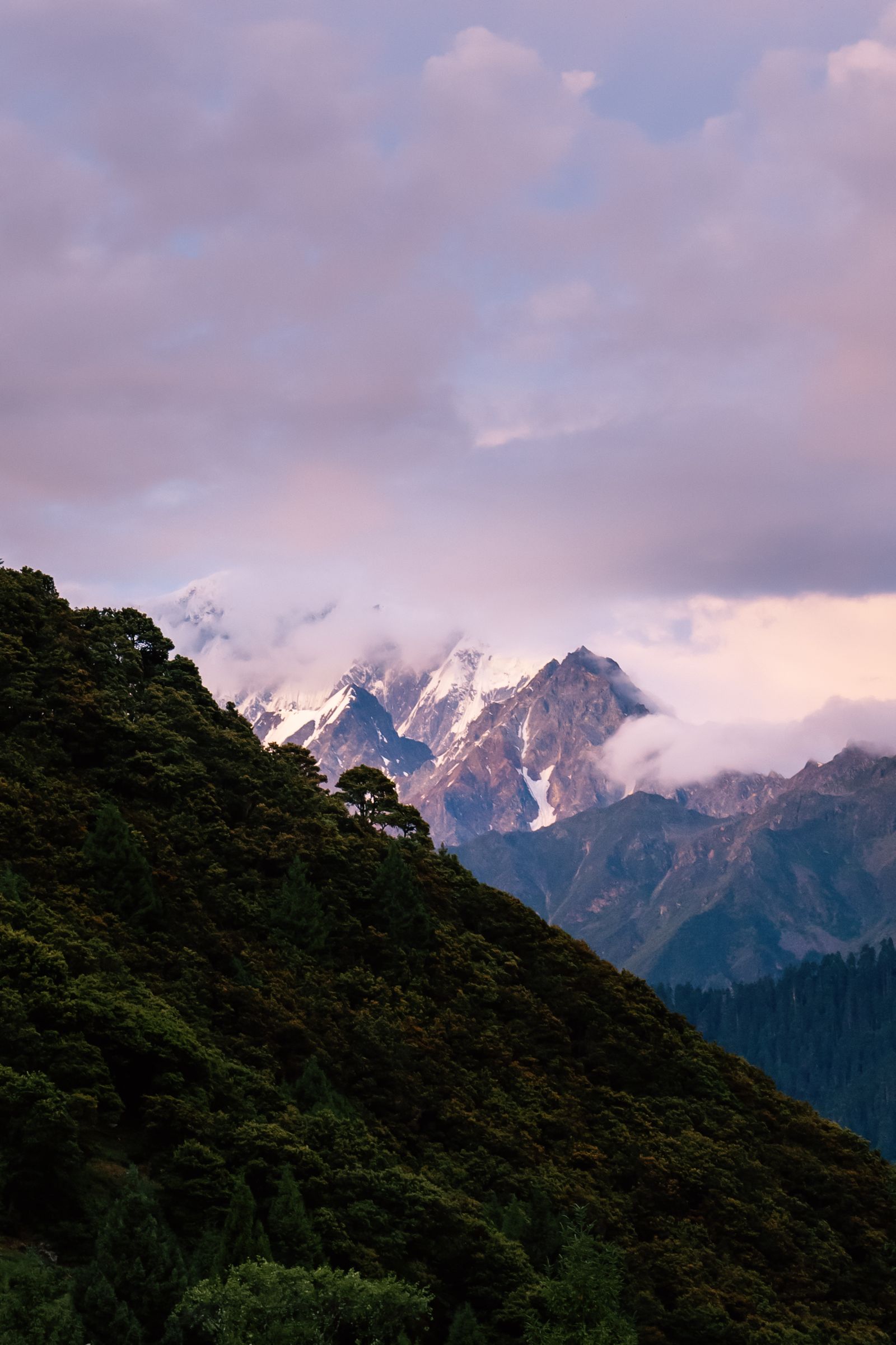
- Mount Kailash elevation: 6,638 metres (21,778 feet), a peak that has never been climbed and is left untouched out of respect for its sacred status.
- Lake Mansarovar elevation: 4,590 metres (15,060 feet), the freshwater lake where pilgrims bathe and pray.
- The kora (parikrama): roughly 52 kilometres walked over three days, circling the mountain clockwise for Buddhists and Hindus, anticlockwise for Bon followers.
- Dolma La Pass: the high point of the circuit at about 5,630 metres, usually crossed on the second day.
- Typical trip length: 10 to 15 days from Kathmandu, depending on route and acclimatization days.
- Best pilgrimage window: late May through September, when the passes are open and the weather on the plateau is at its most stable.
- Saga Dawa in 2026: falls on 31 May, the most auspicious day of the pilgrimage calendar and the busiest time on the mountain.
One more thing worth knowing early: 2026 is a Tibetan Horse Year, which recurs once every twelve years. In Tibetan Buddhist tradition the merit earned from a single kora in a Horse Year is believed to be greatly multiplied, so expect heavier demand and tighter permit availability than in an ordinary year.
What goes into the price: an itemized cost breakdown
A yatra quote is really a bundle of separate costs. Understanding each one tells you where your money goes and where a cheaper package has quietly cut a corner. Here is what every reputable price includes, roughly in order of how much it contributes.
Permits. This is the cost that surprises first-timers most. Travelling to the Kailash region in Tibet requires more than one document, and none of them can be bought over a counter by an individual. Your agency arranges them as a set, and the paperwork alone takes real time and money to process.
Transport. On the overland route this means a long drive by private vehicle across the plateau, plus the fuel, the driver, and the vehicle permits that go with it. Routes that involve flights (into Lhasa, or the Nepalgunj and Simikot legs on the western approach) carry those airfares on top. Transport is often the single largest line after permits.
Guide and support staff. Tibetan regulations require a licensed local guide to accompany your group for the entire trip. Many operators also field a Nepali tour leader from Kathmandu who stays with you end to end. On the kora itself you may add a pony man and a porter, usually paid separately.
Accommodation. Expect a mix: comfortable hotels in Kathmandu and Lhasa, simple guesthouses in towns like Saga and Darchen, and very basic dormitory-style lodging during the three days of the kora. Tibet's remote stretches have no luxury option at any price, so a higher package cost buys better rooms only where better rooms physically exist.
Meals. Breakfasts are almost always included; lunches and dinners vary by operator. On the plateau, food is simple and choices are few.
Entry fees and local charges. Lake Mansarovar, monasteries along the way, and certain sites carry their own fees, which good packages fold into the price.
Mission Nepal Holidays itemizes these on every quote so you can see exactly what you are paying for rather than a single lump sum. That transparency is the real point of asking for a breakdown.
Why prices differ by route: Nepal, Simikot, and overland Tibet
The same pilgrimage can carry noticeably different price tags, and the route you choose is the biggest reason. Each approach trades money for time, comfort, or acclimatization in its own way.
The overland route via Kyirong
This is the most popular and usually the most economical option. You leave Kathmandu by road, cross the Nepal-Tibet border at Kyirong (also written Kerung or Gyirong), and drive west across the plateau through Saga to Darchen, the town at the foot of Kailash. Because it relies on driving rather than flying, it keeps airfare out of the equation, which holds the price down. The trade-off is time on the road and a gradual gain in altitude that, handled well, doubles as acclimatization.
The Simikot-Hilsa route through western Nepal
This approach flies you from Kathmandu to Nepalgunj, then on to the remote airstrip at Simikot, before trekking or taking short helicopter hops to the Hilsa border crossing and into Tibet at Purang. It is scenic and genuinely remote, but every flight and helicopter leg adds cost, and mountain weather can delay those small aircraft for days. Packages on this route sit higher than the overland equivalent, and you should budget for the possibility of a weather hold.
The Lhasa fly-in
Flying into Lhasa, whether from Kathmandu or a Chinese city, lets you acclimatize in a real city and see its monasteries before the long drive west to Kailash. It is the longest and generally the costliest of the three, because you are paying for the flight, the extra days, and the Lhasa sightseeing on top of the pilgrimage itself. For travellers who want to soften the altitude curve and add cultural depth, that premium can be worth it.
Whichever you choose, the route decides how much of your budget goes to flights versus fuel, and how many nights of acclimatization you are paying for.
What a typical yatra package includes and excludes
Comparing two prices without comparing their inclusions is how travellers end up disappointed. Here is a realistic picture of where the line usually falls.
Typically included:
- All Tibet permits and the group visa processed in Kathmandu
- Private transport across Tibet, plus airport transfers
- A licensed Tibetan guide for the full Tibet portion
- Accommodation in Kathmandu, Lhasa where relevant, and along the route
- Breakfasts throughout, and often more meals in Tibet
- Entry fees for Lake Mansarovar and listed sites
- A supplementary oxygen supply and basic first-aid support in many group packages
Typically excluded:
- International flights to and from Kathmandu
- Nepal visa on arrival and travel or medical insurance
- Lunches and dinners where not specified, and all drinks
- The pony and porter for the kora
- Tips for guides, drivers, and staff
- Personal gear, laundry, and anything of a personal nature
- Emergency evacuation costs, which insurance should cover
The useful habit is to lay two quotes side by side and tick each line. A package that looks cheaper often simply moves meals, the kora pony, or insurance into the excluded column. Read the list, not the headline.
Hidden costs most first-timers miss
Even a well-itemized package leaves a few charges for you to carry, and they are easy to overlook until they land. None of these are anyone trying to catch you out. They are simply costs that vary too much from person to person to fold neatly into a fixed price.
The Tibet travel permits. Reaching Kailash is not a case of one stamp. Foreign travellers need the Tibet Travel Permit, an Alien's Travel Permit for areas beyond Lhasa, and a military permit for the border-sensitive Ngari region where Kailash sits. These can only be obtained by a licensed Tibetan agency on your behalf, never by you directly, and the processing takes time, which is why early booking matters. Most packages include the permit fees, but confirm it in writing, because a quote that excludes them is not a complete price.
The group visa process from Nepal. If you enter Tibet from Kathmandu, do not get a Chinese visa in your home country first, as it will be cancelled. Instead, you arrive in Kathmandu a few working days early and your agency obtains a group tourist visa at the Chinese Embassy there. Those extra Kathmandu nights are a real cost that sometimes sits outside the package.
The pony and porter at the kora. The three-day walk around Kailash climbs to 5,630 metres at Dolma La Pass, and plenty of pilgrims hire a pony to ride and a porter to carry a daypack. These are arranged and paid locally in Darchen, in cash, and they are rarely in the headline price. Rates depend on demand, and in a busy Horse Year season they rise. Budget for them whether or not you expect to need them, because altitude has a way of changing plans.
Tips, drinks, and the small stuff. Tipping the guide, driver, and kora crew is customary and adds up over a two-week trip. Bottled water, snacks, charging fees in basic guesthouses, and the odd extra night for weather all belong in your contingency fund.
A sensible rule is to set aside a cash buffer on top of the package price for these local and personal costs. Carry it in clean US dollars and Chinese yuan, since card payments are unreliable once you leave the cities.
Permits and paperwork: the cost you cannot skip
It is worth dwelling on permits, because they are the part of the cost that most distinguishes Kailash from an ordinary trek and the part travellers most want to shortcut. You cannot.
The Tibet Autonomous Region requires foreign visitors to travel on a pre-approved, fixed itinerary with a licensed guide throughout. For the Kailash region specifically, the layered permits mean your whole route has to be declared in advance and processed as a group. This is why you cannot simply turn up and hire a guide on the day, and why solo independent travel to Kailash is not possible for foreign nationals. Our complete Kailash Mansarovar yatra guide walks through the documents in more detail.
The practical cost implications are straightforward. First, permit fees are a fixed, unavoidable part of any legitimate price, so a quote well below the market is a reason to ask what has been left out, not a bargain. Second, the processing timeline forces early commitment, which feeds directly into when you should book. Third, because the agency carries the responsibility for your permits and your fixed route, the licensed operator is not an optional middleman you can cut out to save money. They are the only legal path in.
Health and acclimatization: the budget line people forget
Altitude is not a cost on the invoice, but it shapes your budget all the same, because the cheapest itinerary is often the one that rushes you up too fast. Kailash sits far above the threshold where altitude illness becomes common.
According to the CDC's 2026 guidance, about 25 percent of unacclimatized visitors to elevations at or above 2,450 metres develop acute mountain sickness, and the same source notes rates near 50 percent with rapid ascent above 3,400 metres. Every night of the Kailash route sits above those figures. The CDC also advises that above 3,000 metres your sleeping altitude should rise by no more than 500 metres per night, with an extra rest day every 1,000 metres of gain.
What this means for your wallet is simple. An itinerary with proper acclimatization days costs more because it has more nights in it, and that is money well spent. A compressed, cut-price schedule that flies you high and keeps you moving is cheaper precisely because it strips out the rest days your body needs. Patience matters more than athletic ability on this pilgrimage, and the same is true of how you spend your budget: pay for the extra day. The CDC guidance also notes that pregnant travellers are advised to avoid sleeping above 3,600 metres unless already acclimatized, which effectively rules out the standard route.
Factor travel insurance with high-altitude and emergency evacuation cover into your total from the start. It is an exclusion on almost every package, and on a route this remote it is not optional.
Where you can genuinely save, and where you should not
Travellers close to booking often ask which costs are negotiable. Some are. Several are not, and trying to trim them is how trips go wrong.
Worth doing to lower the price:
- Join a fixed group departure. Permits, the guide, and the vehicle cost roughly the same whether two people or twelve share them, so a larger group drops the per-person figure more than any other single choice.
- Choose the overland route over the fly-in options. Driving from Kathmandu via Kyirong avoids the airfares and helicopter legs that push the Simikot and Lhasa routes higher.
- Travel in the shoulder of the season. Late June, July, and early September are quieter than the Saga Dawa peak at the end of May, and demand-driven costs like the kora pony ease off.
- Bring your own gear. A good down jacket, sleeping bag, and broken-in boots you already own cost nothing extra. Renting or buying on the day in Kathmandu adds up.
Not worth cutting, at any price:
- Acclimatization days. The one place a cheaper itinerary saves money is by removing the rest days your body needs above 3,000 metres. That is a false economy with a health cost.
- A licensed operator and full permits. There is no legal discount route into the Kailash region. A quote that undercuts the market has almost certainly left permits, insurance, or meals out.
- Travel insurance with evacuation cover. On a route this remote, going without is the most expensive mistake you can make.
- The pony or porter if you need it. If altitude is affecting you on the kora, this is money that keeps you safe, not a luxury to skip.
The pattern is consistent: save on comfort and convenience, never on safety or the paperwork that makes the trip legal.
How to budget and when to book for the 2026 season
With the pieces laid out, here is how to turn them into a plan.
Start with the route, not the price. Decide whether you want the economical overland drive via Kyirong, the remote fly-and-trek through Simikot, or the gentler, costlier Lhasa fly-in. The route sets the floor for everything else, so choosing it first makes every later comparison honest.
Build your total in layers. Take the package price, then add the predictable extras: international flights to Kathmandu, insurance, the kora pony and porter, tips, and a cash contingency for meals, drinks, and a possible weather delay. A package price is a starting point, not a final number.
Match group size to budget. Larger group departures spread the fixed costs of permits, vehicles, and guides across more people, which is why they are usually the most affordable way to go. A private or small-group trip buys flexibility and comfort at a higher per-person price.
Book for the season early. The window runs from late May to September. If you want to walk during Saga Dawa on 31 May 2026, or simply travel in the peak Horse Year demand, aim to confirm your place two to four months ahead, earlier for Saga Dawa itself. Permits take time to process and vehicles are finite, so late bookings either cost more or miss out.
Ask the right question when you compare. Not "what does it cost," but "what is in it." Ask for a line-by-line breakdown, confirm the permit fees are included, and check which meals and which kora costs you carry yourself. An operator who answers those plainly is one you can trust with the paperwork that only they can do.
If you are building the wider picture, our overview of Kailash yatra packages, routes, and prices sits alongside this breakdown.
The Kailash Mansarovar Yatra is not a trip you talk yourself into on price alone, and it is not one to book on price alone either. When you are ready to turn this breakdown into a dated, itemized quote for your chosen route, reach out to Mission Nepal Holidays for a plan that shows you exactly what every dollar covers, and confirm the final inclusions in writing before you commit.
Frequently asked questions
How much does the Kailash Mansarovar Yatra cost in 2026?
A guided group yatra from Kathmandu typically falls into the mid-thousands of US dollars per person, with private and helicopter-assisted trips costing considerably more. The exact figure depends on your route, group size, and whether permits, meals, and the kora pony are included, so confirm the inclusions with your operator before comparing prices.
Why is the Kailash Mansarovar Yatra so expensive?
The cost reflects compulsory permits that only licensed agencies can obtain, a mandatory Tibetan guide and vehicle for the whole trip, remote high-altitude logistics, and fixed group itineraries. These are not optional extras you can skip to save money.
What is not included in a typical Kailash yatra package?
Common exclusions are international flights, Nepal and travel insurance, personal expenses, tips, the pony and porter for the kora, and sometimes some meals in Tibet. Always read the included and excluded list line by line.
When should I book the Kailash Mansarovar Yatra for the 2026 season?
Book two to four months before departure for the May-to-September window. If you want to walk during Saga Dawa, which falls on 31 May 2026, book earlier because permits and vehicles are in heavy demand.