

Dashain festival and its impact on Nepal Tourism

Activities Highlights

Dashain Festival and Its Impact on Nepal Tourism
Dashain, also known as Vijaya Dashami, is the largest, longest, and most significant festival in Nepal. Celebrated mainly by Hindus, Dashain symbolizes the victory of good over evil, marking the triumph of Goddess Durga over the demon Mahishasura. Observed for fifteen days, usually in September or October according to the lunar calendar, Dashain is not just a religious festival—it is a powerful cultural event that deeply influences Nepal’s tourism industry.
During this festive period, Nepal transforms into a land of rituals, family reunions, cultural performances, and joyful celebrations, making it an especially attractive time for both international and domestic travelers.
Cultural Significance of Dashain
Dashain is a time when families reunite, elders bless younger members with tika and jamara, and homes are filled with prayers, feasts, and laughter. Important rituals include worshipping Goddess Durga, cleaning and decorating homes, flying kites, playing traditional games, and enjoying festive foods.
For tourists, Dashain offers a rare opportunity to witness authentic Nepali traditions that are usually practiced privately within families and communities. This deep cultural richness makes the festival period particularly appealing to visitors seeking meaningful travel experiences.
Tourist Attractions During Dashain
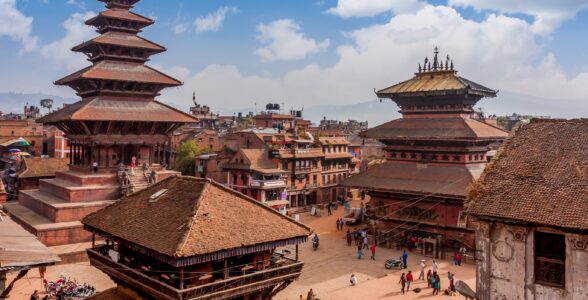
Major tourist destinations such as Kathmandu, Bhaktapur, Patan, Pokhara, and Chitwan become cultural hubs during Dashain. Visitors can explore:
-
Ancient temples decorated for worship
-
Historic Durbar Squares are bustling with ceremonies
-
Traditional villages where local celebrations are in full swing
In places like Bhaktapur and Kathmandu Valley, tourists can observe centuries-old rituals, traditional music, and community gatherings that showcase Nepal’s cultural heritage in its purest form.
Unique Cultural Experience for Visitors
Dashain provides travelers with an immersive cultural experience unlike any other time of year. Tourists can:
-
Observe Durga Puja rituals
-
Experience the tradition of tika and blessings from elders
-
Watch or listen to traditional music and instruments
-
Participate in festive activities like kite flying, card games, and swing rides (ping)
While animal sacrifice is part of traditional Dashain worship, many communities are gradually moving toward symbolic or alternative offerings, reflecting changing cultural practices.
Impact on the Hospitality Industry
Dashain brings a noticeable boom to Nepal’s hospitality sector. Hotels, resorts, lodges, and guesthouses experience high occupancy rates as travelers arrive to witness the festivities. Many tourists choose homestay programs, allowing them to stay with local families and experience Dashain celebrations firsthand.
Travel agencies and tour operators also benefit by offering special Dashain packages, which may include cultural tours, festival experiences, and guided visits to major attractions.
Economic Impact of Dashain Tourism
The festival significantly contributes to Nepal’s economy. Increased tourist spending boosts:
-
Accommodation services
-
Transportation (domestic flights, buses, taxis)
-
Restaurants and food vendors
-
Local markets, handicrafts, and souvenir shops
This influx of revenue supports small businesses, artisans, and local communities, creating seasonal employment opportunities and strengthening the tourism value chain.
Promotion of Nepali Culture on a Global Stage
Dashain acts as a cultural ambassador for Nepal. International visitors gain insight into Nepali values such as respect for elders, family unity, and community harmony. Through their experiences, tourists often share stories, photos, and memories globally, indirectly promoting Nepal as a culturally rich and welcoming destination.
Dashain as a Peak Tourism Season
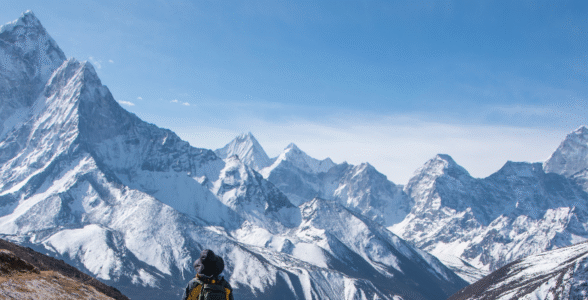
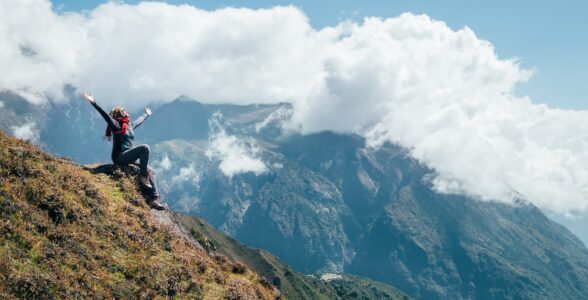
Dashain coincides with Nepal’s autumn season, which is also one of the best times for trekking and sightseeing due to clear skies and pleasant weather. As a result, it is considered a peak travel season.
However, this surge in demand can also create challenges, including:
-
Crowded transportation systems
-
Higher travel and accommodation costs
-
Limited availability of services due to holiday closures
Proper planning and early bookings are essential for travelers visiting Nepal during Dashain.
Encouraging Domestic Tourism
Dashain strongly boosts domestic tourism. Many Nepalis living abroad or in urban areas return to their hometowns to celebrate with family. At the same time, people from rural areas travel to cities such as Kathmandu and Pokhara, increasing internal travel and economic activity.
Community Involvement and Cultural Interaction
One of the most beautiful aspects of Dashain is community participation. Neighborhoods organize collective activities such as:
-
Building traditional bamboo swings (linge ping)
-
Hosting cultural programs
-
Sharing festive meals
Tourists are often welcomed into these gatherings, allowing meaningful cultural exchanges and creating lasting memories.
Promotion of Local Handicrafts and Cuisine
Dashain is an ideal time to explore Nepal’s traditional handicrafts and festive cuisine. Local markets showcase handmade goods such as pottery, wood carvings, metal crafts, and textiles. Visitors can also enjoy traditional foods like sel roti, meat delicacies, and regional specialties that are prepared especially during the festival.
Challenges for Tourists During Dashain
Despite its charm, traveling during Dashain comes with certain challenges:
-
Heavy traffic and travel delays
-
Temporary closure of government offices and some businesses
-
Limited services in remote areas
Nevertheless, for travelers seeking authentic cultural immersion, these minor inconveniences are often outweighed by the richness of the experience.
Conclusion
Dashain plays a vital role in shaping Nepal’s tourism landscape. It not only boosts the economy and hospitality industry but also serves as a powerful platform for cultural exchange and global promotion of Nepali heritage. While it requires careful planning due to peak-season challenges, Dashain offers travelers a once-in-a-lifetime opportunity to witness Nepal at its most vibrant, spiritual, and culturally alive.
For those eager to explore tradition, community, and celebration, Dashain is one of the best times to experience the true soul of Nepal. 🇳🇵✨