
Base Camp at Mt Everest: Complete Trekking Guide

Activities Highlights
Key takeaways
- Everest Base Camp on the Nepal side sits at 5,364 meters, and most trekkers reach it over roughly 12 to 14 days round-trip from Lukla.
- Patience matters more than raw athletic ability: the itinerary is built around acclimatization days that let your body adjust to thin air.
- You need two permits for the standard route, the Sagarmatha National Park entry (NPR 3,000 for foreign nationals) and the Khumbu local permit.
- The two reliable trekking windows are pre-monsoon (March to May) and post-monsoon (late September to November).
- Even with a sensible schedule, altitude illness can affect a meaningful share of trekkers, so slow ascent and honest self-monitoring matter.
Base camp at Mt Everest sits at 5,364 meters, and reaching it takes most trekkers 12 to 14 days of walking, not climbing. If you are reading this because you keep circling two questions, "is this really possible for me?" and "what am I actually signing up for?", this guide answers both.
Here is what the journey involves in plain terms. You fly into a mountain airstrip, then walk for days up a valley toward the highest mountain on earth, sleeping in village lodges, gaining altitude slowly on purpose, and finishing at a cluster of stones and prayer flags beneath the Khumbu Icefall. No ropes. No ice axes. Patience matters more than athletic ability here.
What You Actually See at Everest Base Camp
The base camp itself surprises a lot of people. During the spring climbing season it becomes a small tented city where expedition teams stage their summit attempts. Outside that season it is quieter: a rocky basin marked by a painted boulder, strings of prayer flags, and the groan and crack of the Khumbu Glacier shifting underfoot.
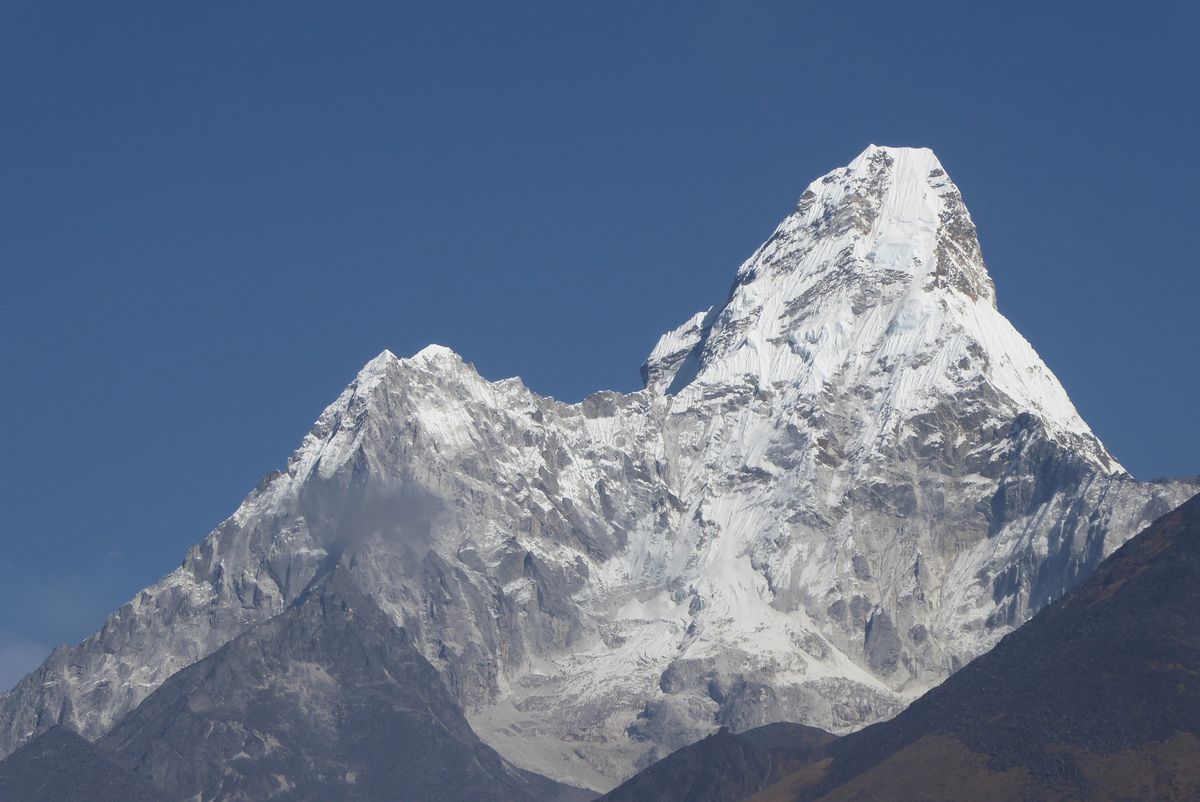
One honest detail worth knowing early. From base camp, you cannot actually see the summit of Everest itself. The mountain's shoulder blocks the view. The classic photograph of the peak, the one you have in your head, is taken from Kala Patthar, a rocky viewpoint at 5,644 meters that most trekkers climb at dawn the morning before or after their base camp visit.
What you do see at camp is the raw architecture of the mountain up close: the tumbling seracs of the icefall, the walls of Nuptse and Pumori, and a landscape stripped back to rock and ice. For many people the arrival is a physical and emotional high point, less about a view and more about standing where the world's most famous climbs begin.
Can a First-Timer Actually Do This?
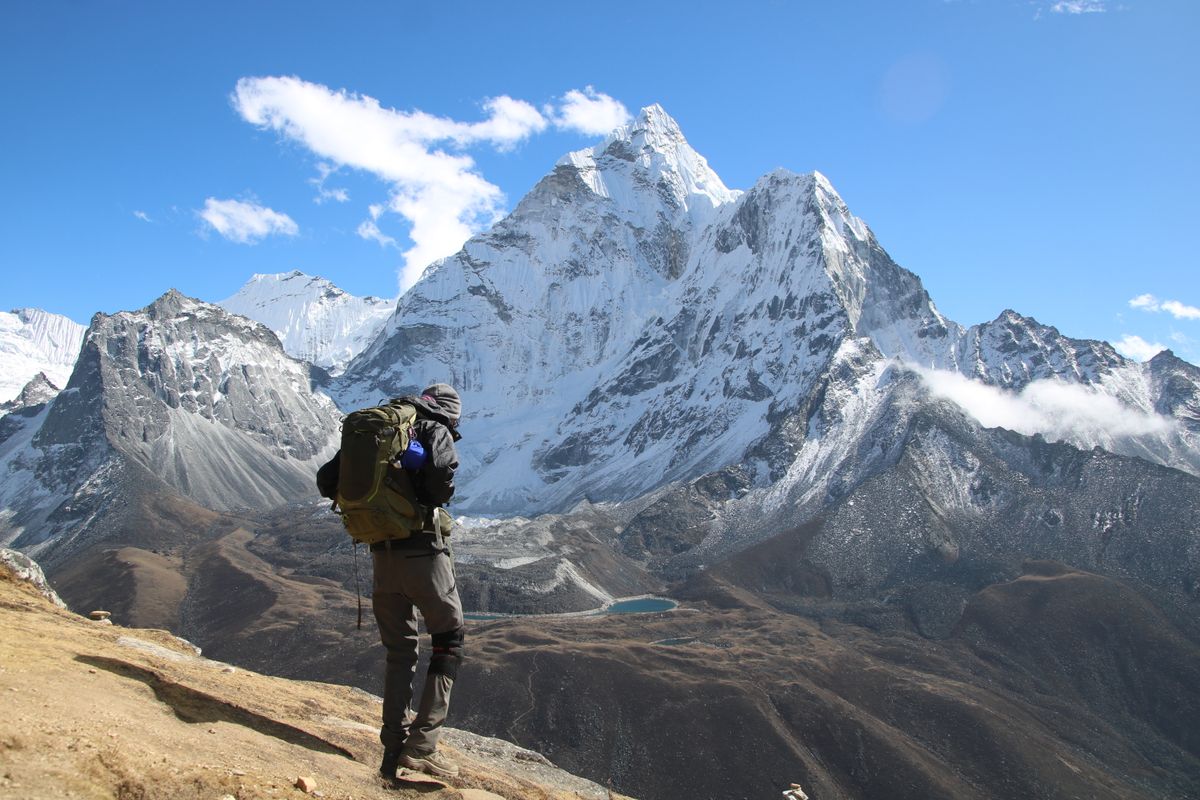
Yes, for most reasonably fit people. This is one of the most walked high-altitude routes on earth, and a large share of the trekkers on it have never done anything like it before. The trail is a well-worn path of stone steps, dirt, and suspension bridges, not a mountaineering objective.
What the trek asks of you is endurance and consistency rather than speed or strength. You will walk six to nine hours on the longer days, up and down, day after day, carrying a light daypack while a porter or yak handles the heavy load. If you can comfortably manage several hours of hill walking at home, you have the baseline fitness to build on.
The genuine challenge is altitude, not distance. Thin air slows everyone, the strongest athletes included, and it does not care about your gym numbers. This is why the itinerary is deliberately unhurried, and why a training plan focused on long, repeated days on your feet serves you better than sprint fitness.
Trek Overview: From Lukla to Base Camp
The adventure begins with a short, dramatic flight from Kathmandu to Lukla, home to Tenzing-Hillary Airport at 2,846 meters. Its short, sloped runway is famous, and weather delays here are common, so building a buffer day into your travel plans is wise.
From Lukla the standard route follows the Dudh Koshi valley through a sequence of villages, each a natural stage in your acclimatization. A typical day-by-day shape looks like this:
- Lukla (2,846 m) to Phakding to Namche Bazaar (3,440 m). Two walking days bring you to Namche, the bustling Sherpa trading hub carved into a horseshoe of hillside.
- Namche acclimatization day. You stay a second night, taking a short "climb high, sleep low" hike to help your body adjust.
- Namche to Tengboche (3,867 m). A day that passes Tengboche Monastery, the spiritual heart of the Khumbu.
- Tengboche to Dingboche (4,410 m). The landscape opens as the tree line falls away behind you.
- Dingboche acclimatization day. A second built-in rest and adjustment day.
- Dingboche to Lobuche to Gorak Shep (5,146 m). The final push into the high, cold, glacial upper valley.
- Base Camp (5,364 m) and Kala Patthar (5,644 m). From Gorak Shep you walk out to base camp, and climb Kala Patthar for the summit view.
The return retraces the route downhill, moving faster because the descent is easier on the lungs. Round-trip distance runs roughly 130 kilometers, though the number varies by the exact side trips you take.
Altitude, Acclimatization and Fitness
This is the part that separates a good trek from a miserable one, so it deserves plain talk. As you climb, the air holds less oxygen, and your body needs time to make more red blood cells to cope. Push up too fast and you risk acute mountain sickness (AMS), the headache-nausea-fatigue cluster that can, in serious cases, turn dangerous.
The numbers are worth respecting. According to the CDC's high-altitude travel guidance, AMS affects around 25 percent of all visitors sleeping above 2,450 meters, and on trekking routes at higher elevations, even with a standard acclimatization schedule, its prevalence can approach 30 percent. In other words, a meaningful share of careful, fit trekkers still feel it. That is normal, and it is manageable when you respond to it early.
The good news is that a well-designed itinerary is built specifically to lower that risk. The two rest days at Namche and Dingboche exist for exactly this reason, giving your body time to catch up before you climb higher. A few habits that genuinely help:
- Ascend slowly. The old guideline of not increasing your sleeping altitude by more than roughly 500 meters a day, once you are high, exists for a reason.
- Hydrate hard. Three to four liters of water a day is typical advice at altitude.
- Walk at a "boring" pace. Going slow is a skill, not a weakness.
- Tell your guide how you feel. A headache mentioned early is easy to manage. One hidden out of pride is not.
Descent is the definitive treatment for serious symptoms, which is another reason a guided group with a clear plan matters. When your guide understands the warning signs and controls the daily gain, altitude stops being a gamble and becomes a managed part of the trek.
Teahouse Life and Daily Distances
You will not be camping. The Everest route is famous for its teahouses, family-run lodges that offer a bed and hot meals at every overnight stop. Understanding daily life here removes a lot of first-timer anxiety.
A typical teahouse room is simple: two single beds, a mattress, a pillow, and thin walls. Bring a good sleeping bag, because heating is limited to a communal stove in the dining room, usually lit in the evening and often fueled by yak dung. The dining room is the social heart of the trek, where you eat, warm up, play cards, and swap stories with trekkers from around the world.
On distances and rhythm, here is the honest shape of a day. You wake early, eat breakfast, and walk for roughly three to four hours to a lunch stop. After lunch you walk another two to four hours to your night's lodge, arriving in the early-to-mid afternoon with time to rest, hydrate, and adjust. Distances are short by lowland standards, often only 10 to 15 kilometers, but the terrain and altitude make them feel longer.
A few practical teahouse realities to plan for:
- Charging and Wi-Fi cost extra, and both get slower and pricier the higher you go.
- Hot showers are usually a paid add-on, often gas-heated or, higher up, a bucket of warm water.
- Menus shrink with altitude. Dal bhat, the lentil-and-rice staple, is the reliable, refillable, and genuinely good choice throughout.
- Carry cash. There are no ATMs past Namche, so you carry Nepali rupees for the whole upper route.
Best Seasons and When to Avoid
Timing shapes your experience more than almost any other decision. There are two clear trekking windows, and two seasons most people should avoid.
Pre-monsoon (March to May) is the busy spring season. Temperatures are climbing, rhododendrons bloom in the lower valleys, and it coincides with the Everest climbing season, so base camp is at its most alive. Skies are generally clear, though afternoon cloud builds as spring wears on.
Post-monsoon (late September to November) is many guides' quiet favorite. The monsoon has washed the air clean, giving the crispest mountain views of the year, and the weather is stable. It is popular, so trails and lodges are full, particularly in October.
The seasons to think twice about: the summer monsoon (June to August) brings rain, cloud-hidden peaks, leeches lower down, and a higher chance of flight delays into Lukla. Deep winter (December to February) is genuinely trekkable and beautifully empty, but nights are brutally cold, and some high teahouses close or run skeleton service. Winter suits experienced, well-equipped trekkers who prize solitude over comfort.
Permits You Need and How They Work
The paperwork for the standard Everest Base Camp trek is straightforward, and on a guided trip your operator handles nearly all of it. You need two permits.
First, the Sagarmatha National Park entry permit. This covers the protected area the whole trail runs through. Per the Nepal Tourism Board, the fee is NPR 3,000 per person for foreign nationals, NPR 1,500 for SAARC nationals, and NPR 100 for Nepali citizens, with children under 10 entering free.
Second, the Khumbu Pasang Lhamu Rural Municipality permit, a local-government fee collected in the region itself, which replaced the older TIMS card requirement on this particular route. Your guide typically arranges this at Lukla or Monjo.
Two practical notes. Rules and fees in Nepal do change from year to year, so treat the figures above as current-at-writing and confirm the exact total when you book. And carry several passport-sized photos and a few photocopies of your passport, because permit desks still ask for them.
Etiquette in the Khumbu
You are walking through a living Sherpa homeland shaped by Tibetan Buddhist tradition, not a theme park, and small courtesies matter to the people who host you. A few genuinely important ones:
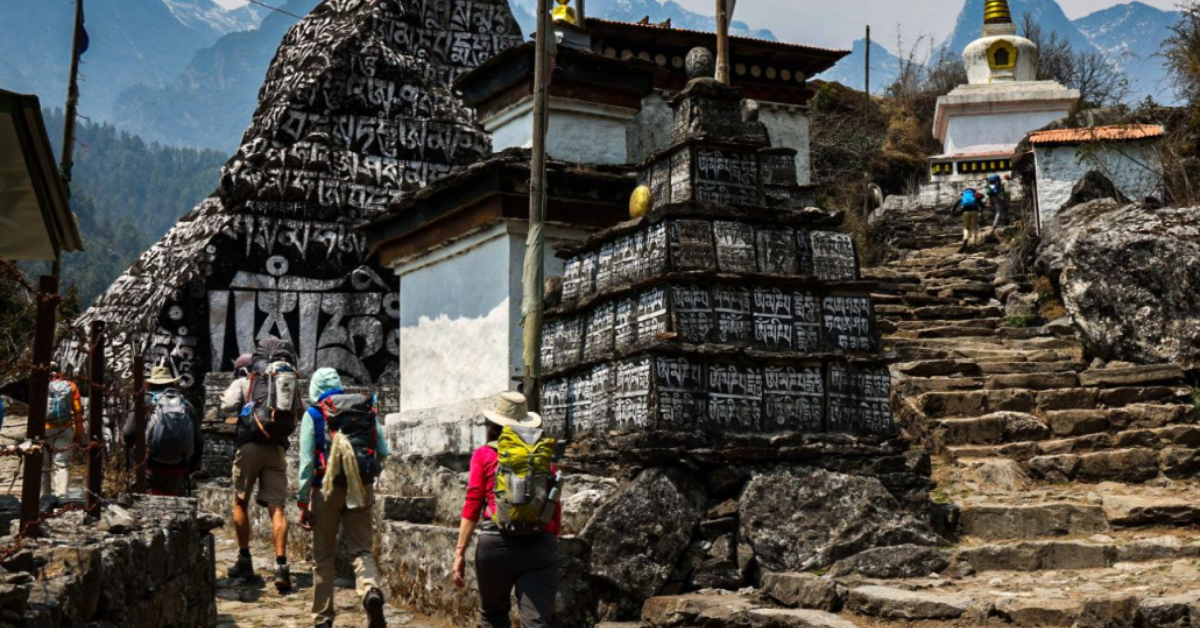
- Pass mani stones and stupas on the left. Walk clockwise around these sacred structures, keeping them to your right, following the local custom.
- Ask before photographing people, especially monks, elders, and inside monasteries.
- Dress modestly in religious sites and remove hats and shoes where asked.
- Support local economy thoughtfully. Eating and sleeping where you buy, tipping fairly, and treating porters and guides as colleagues rather than servants all matter.
This region's culture is inseparable from the trek's appeal. The Sherpa community's Buddhist heritage shares deep roots with Tibetan tradition across the border, and the monasteries, prayer wheels, and painted mani walls you pass are part of a living faith, not scenery arranged for visitors.
Common Mistakes First-Timers Make
Most of what goes wrong on this trek is preventable, and it tends to be the same handful of errors.
- Ascending too fast. Skipping or rushing acclimatization days is the single most common cause of a ruined or cut-short trek.
- Overpacking. A heavy bag punishes you at altitude. Layers, not volume, keep you warm.
- Underestimating cold. The daytime sun is deceptive. Nights above 4,000 meters are freezing, and a serious sleeping bag is non-negotiable.
- Cutting the travel buffer too fine. Lukla flights are weather-dependent. Booking your international flight for the day after you land back in Kathmandu is asking for trouble.
- Ignoring early symptoms. A mild headache is a message, not a nuisance. Rest, hydrate, and speak up.
- Skimping on footwear. Blisters from unbroken boots end more treks than altitude does. Break yours in for weeks beforehand.
Sorting your gear early removes half of these worries. Our detailed Nepal trekking packing list walks through exactly what to bring and what to leave at home.
Guided Everest Base Camp Trips with Mission Nepal Holidays
You can trek to base camp independently, but a guided trip changes the experience in ways that matter most when things get hard. A good guide reads your acclimatization, adjusts the pace, handles permits and logistics, and makes the call to descend if your body signals trouble. That judgment is worth more at 5,000 meters than any packing list.
Mission Nepal Holidays runs the Everest Base Camp Trek with the acclimatization-first pacing described throughout this guide, multilingual guides who know the Khumbu's people and trails, and support that reaches from your Lukla flight to the teahouse where you sleep each night. For trekkers short on time, there is also a Heli Trek option that walks up and flies out, trimming days off the schedule.
Whether Everest is your first Himalayan trek or one more step in a longer mountain life, the honest advice is the same: plan for patience, prepare your body and your gear, and go with people who know the mountain. When you are ready to turn this from a plan into a departure date, talk to Mission Nepal Holidays about the season and itinerary that fit you.
Frequently asked questions
How high is base camp at Mt Everest?
The southern base camp in Nepal sits at 5,364 meters (about 17,598 feet). The nearby viewpoint Kala Patthar, where most people photograph the summit, is a little higher at 5,644 meters.
Do you need climbing experience to reach Everest Base Camp?
No. The trek to base camp is a walking route on established trails, with no technical climbing, ropes or ice axes required. Steady fitness and good acclimatization matter far more than mountaineering skill.
How many days does the Everest Base Camp trek take?
Most standard itineraries run 12 to 14 days round-trip from Lukla, including two built-in acclimatization days. Exact duration varies by operator and pace, so confirm the schedule when you book.
What is the best time of year to trek to Everest Base Camp?
Pre-monsoon (March to May) and post-monsoon (late September to November) offer the most stable weather and clearest mountain views. Winter is cold but quiet, and the summer monsoon brings rain and cloud.
How much do Everest Base Camp permits cost?
Foreign trekkers pay NPR 3,000 for Sagarmatha National Park entry, plus a separate Khumbu Pasang Lhamu Rural Municipality permit. Your operator usually arranges both as part of the package.