
Adventures for a Lifetime: Himalayan Bucket-List Trips

Activities Highlights
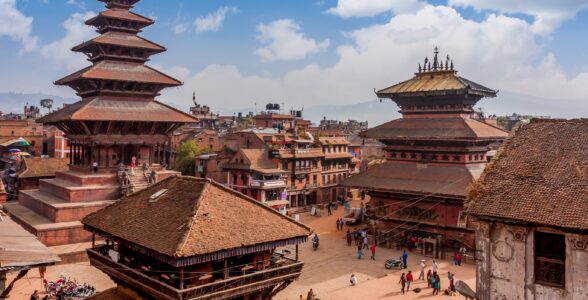
Key takeaways
- The Himalaya's defining trips fall into four families: Everest and Annapurna treks, the Kailash Mansarovar pilgrimage, and cultural journeys through Tibet and Bhutan.
- Everest Base Camp and the Annapurna Circuit are long high-altitude walks rather than technical climbs, so patience and acclimatization matter more than raw fitness.
- The kora around Mount Kailash is a circuit of faith; no one is permitted to climb the sacred peak.
- Bhutan charges a Sustainable Development Fee of 100 US dollars per person per night, a discounted rate confirmed through 31 August 2027.
- The right bucket-list trip depends on your time, altitude comfort and reason for going more than on which route is most famous.
If you are weighing a once-in-a-lifetime trip to the Himalaya, the honest answer is that there is no single best one. There are four or five that keep calling people back, each asking something different of you, and the trick is matching the right one to the reason you want to go.
This guide walks through the trips that genuinely earn the phrase adventures for a lifetime: the two great Nepal treks, the sacred circuit of Kailash and Mansarovar, and the slower cultural journeys through Tibet and Bhutan. Here is what each one actually involves, how hard it is, and how to decide which belongs on your list.
What Makes These Himalayan Adventures for a Lifetime
Plenty of trips are lovely. A few rearrange how you think about distance, altitude and your own patience. The Himalaya specializes in the second kind.
Part of it is scale. You are walking among the highest mountains on Earth, often for a week or more, watching the landscape change from terraced farmland to glacier and bare rock. Part of it is culture. These are living religious landscapes, dotted with monasteries, prayer flags and villages whose rhythms predate tourism by centuries. And part of it is simply that these trips take time. You cannot rush an acclimatization schedule, and that enforced slowness is often what people remember most.
Nepal remains the hub for most of these journeys. International arrivals have recovered to roughly pre-pandemic levels, and a large share of those travelers came for exactly the trips below.
The journeys that follow sort into four families: the classic Nepal treks, the Kailash pilgrimage, and the cultural circuits of Tibet and Bhutan. You do not need to do all of them. Most people pick one, do it properly, and come home already planning the next.
Everest Base Camp: The Trek Everyone Measures Against
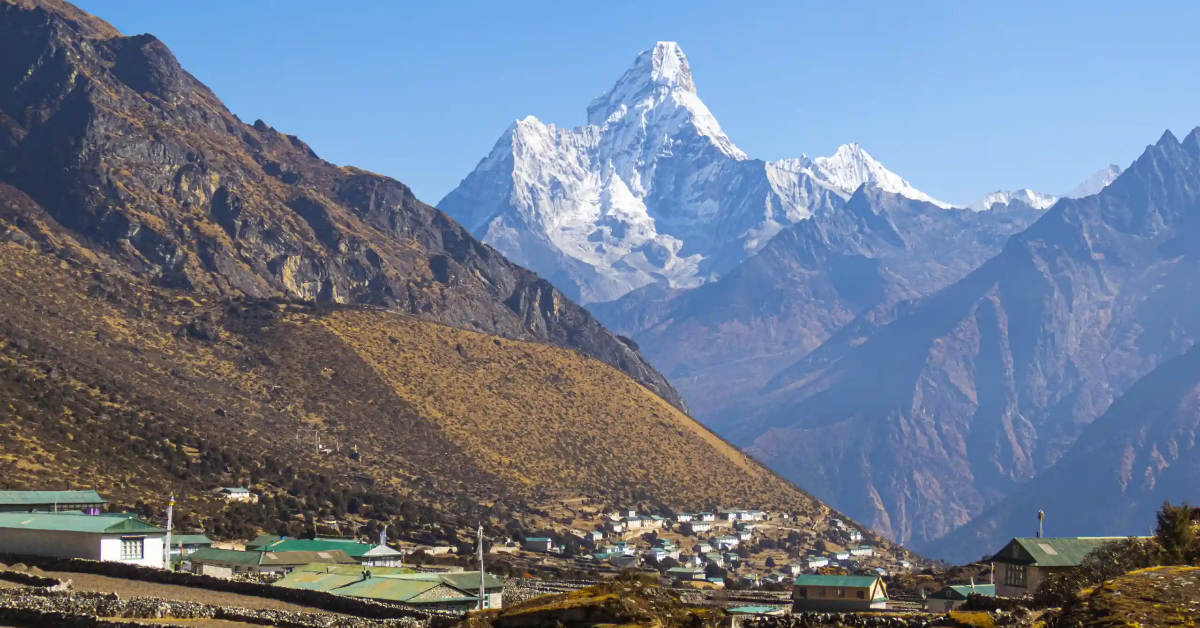
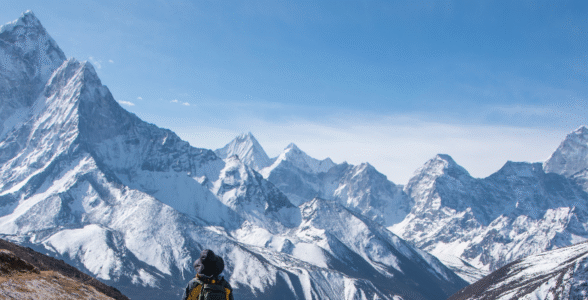
Everest Base Camp is the trip most people picture first, and for good reason. You walk to the foot of the highest mountain on Earth, through the Khumbu valley and its Sherpa villages, finishing at a cluster of tents and prayer flags at well over five thousand meters on the Nepal side.
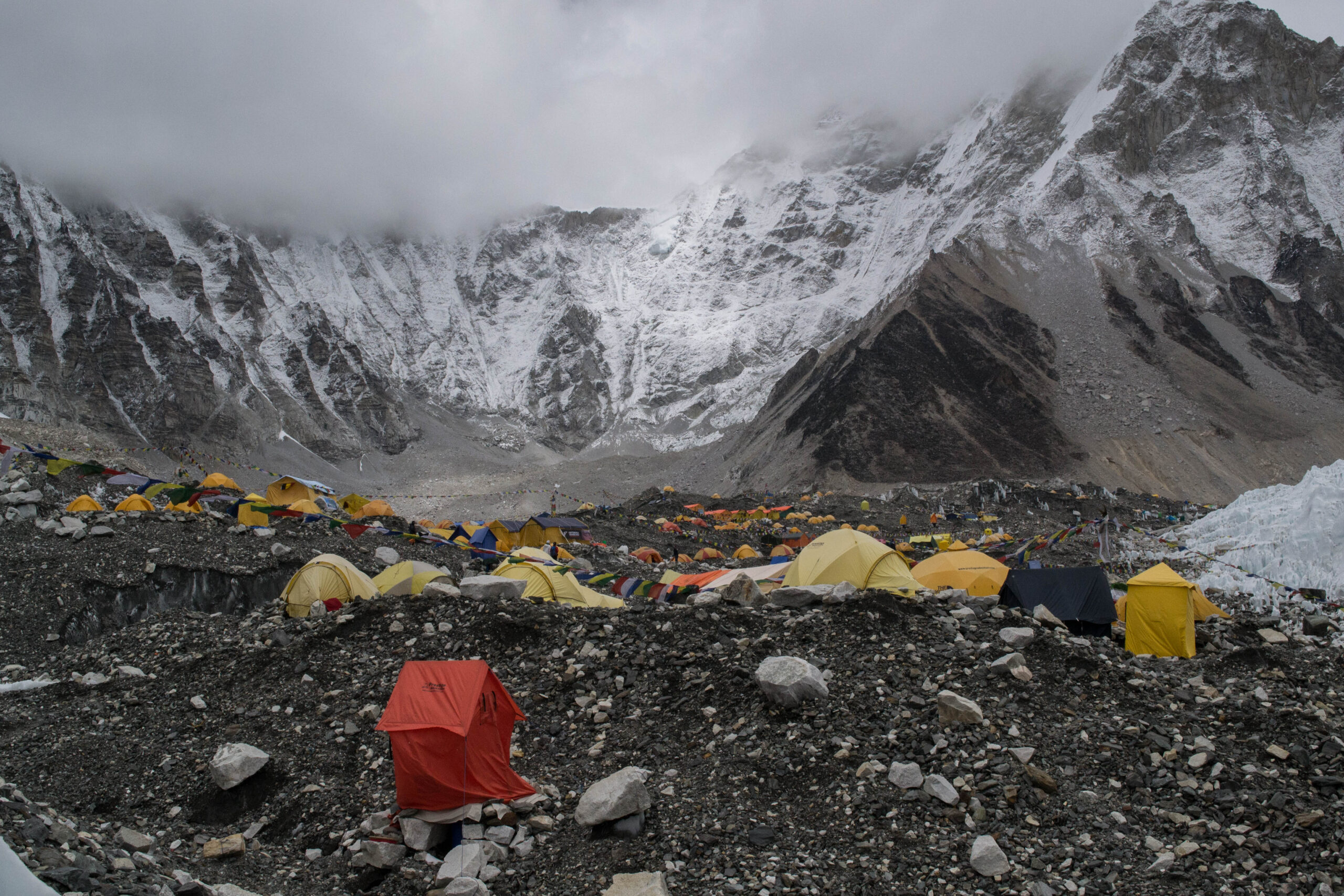
The walking itself is not technical. There is no rope, no ice axe, no climbing. What makes it demanding is the altitude and the length. A typical itinerary runs 12 to 14 days round trip from Kathmandu, including the flight to Lukla, built-in acclimatization days at Namche Bazaar and Dingboche, and the push to Kala Patthar for the classic Everest view. Most days involve five to seven hours of walking.
Patience matters more than athletic ability here. People who struggle are usually those who climbed too fast, not those who were unfit. The acclimatization days are not padding. They are the reason you arrive.
For the full picture on costs, days and daily stages, our guide to trekking Everest Base Camp in Nepal breaks down a realistic itinerary. If time is short, the Everest Base Camp Heli Trek lets you walk in and fly out, trimming several days without skipping the heart of the route.
The Annapurna Circuit: Variety in a Single Loop
If Everest is about a single destination, the Annapurna Circuit is about the journey. It loops around the Annapurna massif in central Nepal, and its signature is how much the scenery changes underfoot.
You start in warm, green, terraced lowlands. Over roughly 10 to 16 days, depending on where you begin and end, the trail climbs through forest and alpine meadow into the stark, high desert on the far side of the range. The high point is Thorong La, a pass well above five thousand meters. Crossing it is a long, cold, early-morning effort, and it is the day most trekkers remember.
The circuit also folds in a genuine pilgrimage stop. Muktinath, sacred to both Hindus and Buddhists, sits on the descent from the pass, which is why many spiritual travelers combine the Muktinath Yatra with the trek. Road access has shortened parts of the route in recent years, so sections that once took days can now be driven, which is worth discussing with your operator when you plan.
Our full Annapurna Circuit itinerary covers the stages in detail. For travelers with less time, the shorter Annapurna Base Camp Trek and the gentle Ghorepani Poon Hill trek deliver big mountain views in under a week.
Kailash and Mansarovar: A Pilgrimage on Foot
Some journeys are measured in effort. This one is measured in meaning. Mount Kailash, rising high above the Tibetan plateau, is sacred to Hindus, Buddhists, Jains and followers of the Bon tradition, and no one is permitted to climb it. The adventure is the kora, the clockwise circuit around its base.
The kora runs about fifty kilometers, usually walked over three days, and its hardest point is the Dolma La Pass, a high, cold crossing that is the physical test of the whole route. Many pilgrims also take a ritual bath or simply sit beside Lake Mansarovar, one of the highest freshwater lakes in the world, before or after the circuit. The combined trip is commonly called the Kailash Mansarovar Yatra.
This is a high, remote, physically honest undertaking, and the altitude deserves respect. It is also, for many who do it, the most moving trip of their lives, precisely because it is not about reaching a summit. If the spiritual dimension is what draws you, our overview of Kailash in Tibet covers the sacred context, routes and preparation.
Access runs through Tibet, so permits and group arrangements are fixed well in advance. The pilgrimage season is short, roughly May to September, and spaces fill early.
Cultural Immersion in Tibet: The High Plateau
Not every Himalayan trip is a trek. Tibet rewards travelers who come simply to see how life is lived at the roof of the world.
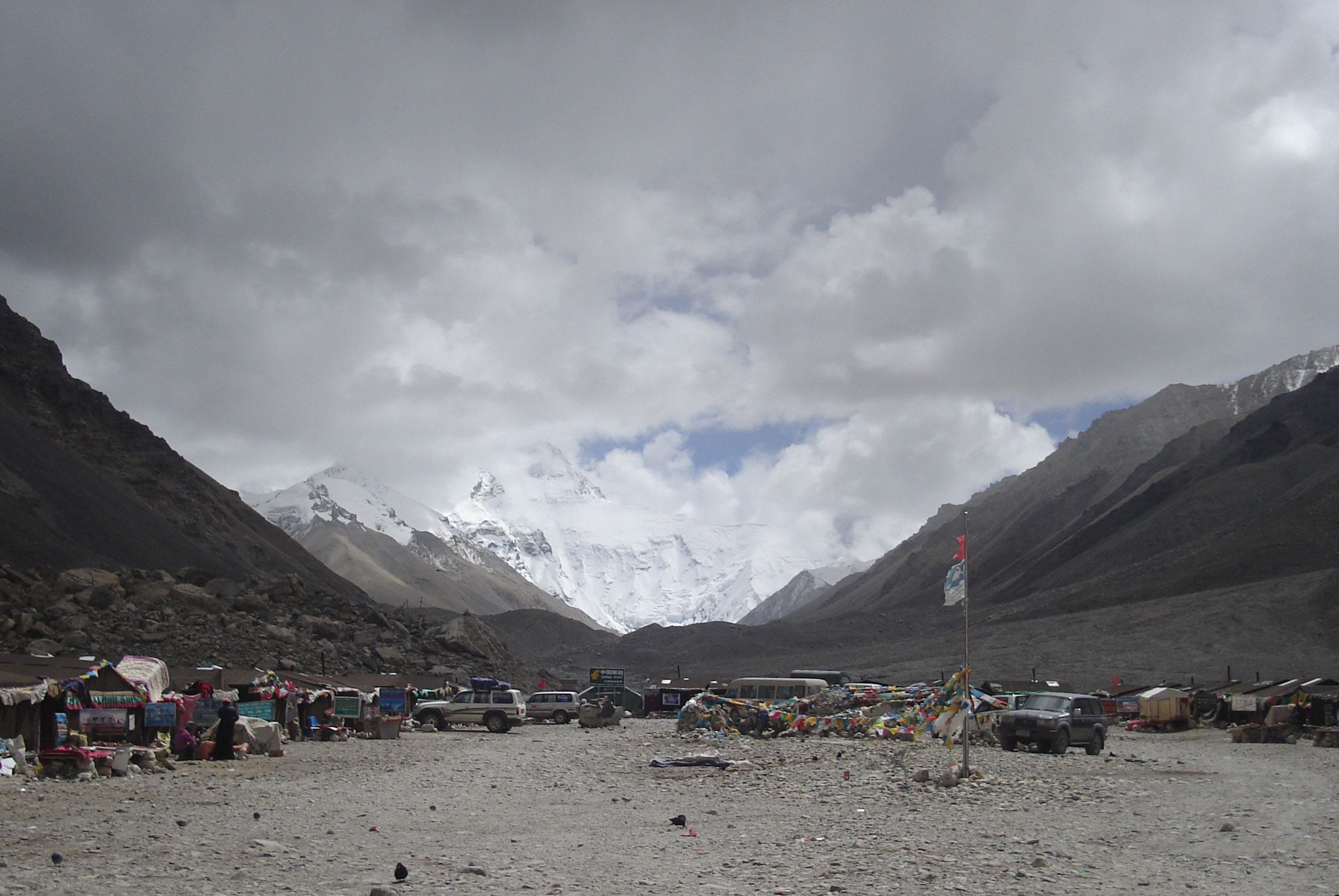
A classic route runs from Kathmandu to Lhasa, either overland across the plateau or by a short flight, and centers on Lhasa's great monasteries and the Potala Palace, the former seat of the Dalai Lamas. Days are spent among pilgrims turning prayer wheels, in monastery courtyards, and at viewpoints where the land simply falls away for miles. Even in the cities you are at serious altitude, so the same acclimatization discipline applies.
Tibet travel requires permits that only registered operators can arrange, and independent travel is not permitted, which is why small-group journeys are the norm. Mission Nepal Holidays runs these as guided group tours, which handles the permit and logistics side while keeping you close to the culture you came to see.
Many travelers pair Tibet with the Kailash pilgrimage or with an Everest viewpoint from the northern side, building a single journey out of several threads.
Bhutan: The Kingdom That Measures Differently
Bhutan is the Himalaya at its most deliberate. The country famously manages tourism around value rather than volume, and that shapes every day you spend there.
The practical expression of that philosophy is the Sustainable Development Fee, currently 100 US dollars per person per night, a discounted rate the government has confirmed through 31 August 2027. Children aged six to twelve pay half. The fee funds healthcare, education and conservation, and it means Bhutan is never a budget destination, but it also keeps trails and sites uncrowded.
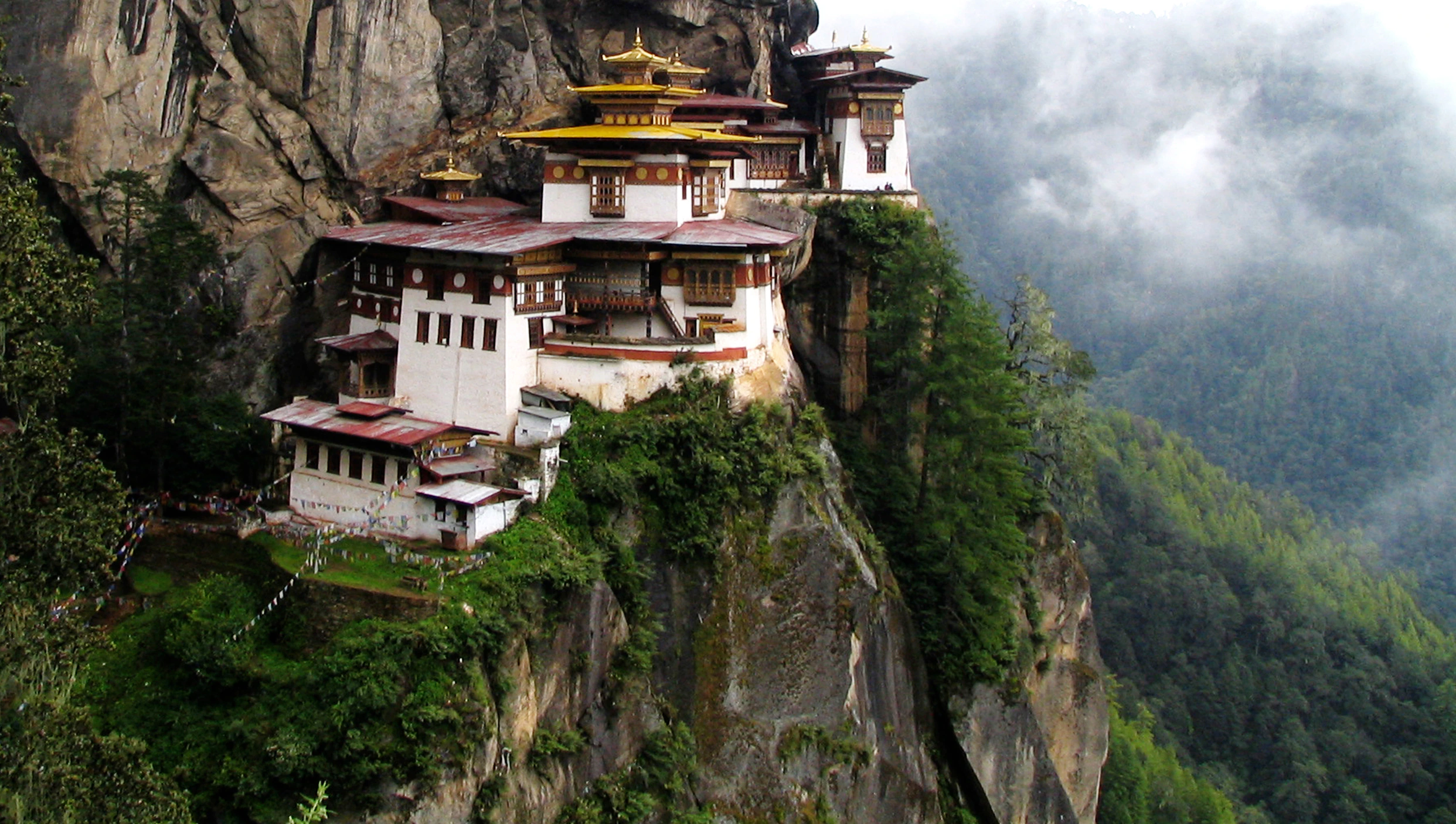
What you get is a landscape of fortress monasteries, or dzongs, terraced valleys, and some of the most vivid festivals in the Himalaya. The Tshechu festivals, with their masked cham dances, are a highlight worth planning a trip around, and their dates shift each year with the lunar calendar, so it is worth confirming them before you set your travel window. The signature walk is the climb to Paro Taktsang, the Tiger's Nest monastery clinging to a cliff above the valley floor.
Permits, Visas and the Paperwork Nobody Enjoys
Every one of these trips sits behind some red tape, and the rules differ by country. It is worth knowing the shape of it before you plan, even if an operator files most of it for you.
- Nepal. Most trekkers enter on a tourist visa available on arrival at Kathmandu airport or online in advance. Treks then need area-specific permits: the TIMS card for general trekking, plus national park or conservation area fees for regions like Everest and Annapurna. Restricted areas such as Manaslu and Upper Mustang require a special permit and, in many cases, a licensed guide and a minimum group size.
- Tibet. You cannot travel independently. Beyond a Chinese visa, you need a Tibet Travel Permit arranged through a registered operator, and additional permits for areas beyond Lhasa, including the Kailash region. These take lead time, so last-minute Tibet trips rarely work.
- Bhutan. Entry is tied to the daily fee and, for most nationalities, a visa processed before arrival through a licensed operator. Indian nationals follow a separate, simpler process.
The practical takeaway is that Nepal is the flexible, walk-up option, while Tibet and Bhutan reward planning months ahead. Permit rules and fees change from year to year, so treat any figure you read online as a starting point and confirm the current requirement when you book.
Altitude Sickness and Staying Safe
The single biggest risk on these trips is not falling or weather. It is altitude. Acute mountain sickness can affect anyone above roughly 2,500 meters, regardless of fitness or age, and ignoring it is how an enjoyable trek turns dangerous.
The symptoms to watch are headache, nausea, dizziness, loss of appetite and disturbed sleep. Mild cases are common and usually ease with rest. The rule that keeps people safe is simple: if symptoms are getting worse, you go down, not up. A few habits lower the risk markedly:
- Climb slowly and sleep low. The old guidance to gain no more than three to five hundred meters of sleeping altitude per day, with a rest day every few days, exists for a reason.
- Drink more water than feels necessary. Dehydration mimics and worsens altitude symptoms.
- Skip alcohol and sleeping pills at altitude. Both suppress breathing when your body needs the opposite.
- Tell your guide early. Good guides are trained to spot deterioration and carry the authority to change the plan. Hiding symptoms to avoid slowing the group is the most common serious mistake.
This is also where a supported trip earns its cost. A guide who can arrange a descent, oxygen or an evacuation is worth far more than the money saved by going alone. Comprehensive travel insurance that explicitly covers high-altitude trekking and helicopter evacuation is not optional on any of these routes.
When to Go: Seasons Across the Region
Timing shapes these trips more than almost anything else, and the ideal window differs by destination.
For the main Nepal treks, two seasons stand out. Spring, from March to May, brings warming days and rhododendron forests in bloom, with generally stable weather. Autumn, from late September to November, is the most popular window: skies are clear after the monsoon, views are at their sharpest and temperatures are comfortable. Winter trekking is possible on lower routes but cold and snowbound on the high passes. The summer monsoon, June to August, brings rain, leeches and clouded views to most of Nepal, though it is the right time for rain-shadow regions like Upper Mustang.
Tibet travels well from April to October, with the warmest, most settled conditions in summer. The Kailash pilgrimage concentrates into roughly May to September, and the Saga Dawa festival in late spring draws large numbers of pilgrims. Bhutan's cultural high points cluster around spring and autumn, when the major Tshechu festivals fall, though exact dates move each year with the lunar calendar.
If your dates are fixed, let the season steer the destination rather than forcing a route into the wrong month.
What These Trips Cost and How to Compare Packages
Price is where travelers get the most confused, because two packages for the same route can differ widely on what they actually include. Rather than chasing the lowest headline number, compare like for like.
A few cost drivers to hold in mind:
- Group size. Small groups and private departures cost more per person but give you more flexibility and attention.
- Guide and porter support. A fully supported trip with a licensed guide and porters costs more than a teahouse trek you largely self-manage, and it is usually worth it at altitude.
- Internal flights and transfers. The Lukla flight for Everest, or flights into Paro for Bhutan, are significant line items that some quotes bury.
- Permits and fees. Bhutan's daily Sustainable Development Fee alone adds up quickly over a two-week trip, so it belongs in any honest budget.
- Accommodation standard. Teahouse lodges, mid-range hotels and comfort-focused stays sit at very different price points.
When you read a quote, check what is excluded as carefully as what is included: insurance, tips, drinks, gear hire and the odd domestic flight are the usual gaps. A slightly higher price with everything bundled is often cheaper, and far less stressful, than a bare rate you keep topping up on the trail.
Beyond Trekking: Adventure Add-Ons
Not everyone wants to spend two weeks walking uphill, and the region offers plenty that is shorter and sharper. These pair well with a cultural trip or a few spare days in Kathmandu or Pokhara.
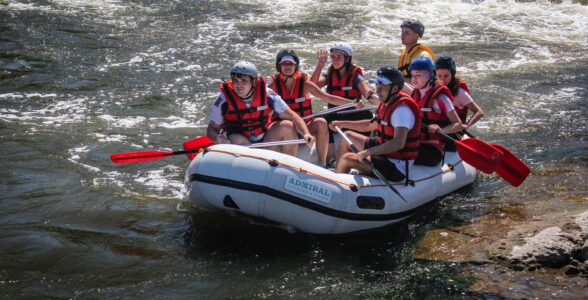
- White-water rafting. Nepal's rivers run from gentle floats to serious multi-day rapids, best during the post-monsoon flows of autumn.
- Paragliding. Pokhara, with its lake, valley and the Annapurna backdrop, is one of the better places in the world for a tandem flight.
- Helicopter tours. For travelers short on time or stamina, a heli tour to an Everest viewpoint or a landing near base camp compresses the headline experience into a single morning.
- Mountain biking. The trails and old trade routes around the Kathmandu Valley and beyond suit riders looking for something faster than a trek.
These are also a sensible way to test your appetite for the high country before committing to a longer expedition.
Who Each Trip Suits
The same route can be a gentle success or a miserable slog depending on who is walking it. A quick honest sort by traveler type:
- First-timers tend to do well on Everest Base Camp or the shorter Annapurna routes, where the trail is well supported and the daily effort is predictable. The key is choosing an itinerary with enough acclimatization built in.
- Experienced high-altitude trekkers looking for a harder challenge gravitate toward the Everest Three Passes, the Manaslu Circuit or the Gokyo Lakes route, which add distance, remoteness and technical interest.
- Pilgrims are best served by Kailash and Muktinath, where the point is devotion rather than difficulty, and where a supported group removes the logistical strain.
- Families and multi-generational groups usually do better with cultural tours in Bhutan and Tibet, or with short, lower treks, than with a two-week high-altitude push.
- Solo and older travelers benefit most from fully supported, guided itineraries, where the pace is set around them and help is always at hand. Age is far less of a barrier than people assume; steady walkers in their sixties and seventies complete these routes every season.
If you are genuinely unsure where you fit, say so when you enquire. A good operator would rather talk you into the right trip than sell you a famous one you will struggle to enjoy.
How Mission Nepal Holidays Designs These Trips
A bucket-list trip lives or dies on logistics you never see: the acclimatization day added in the right place, the permit filed on time, the guide who notices you are slowing down before you do.
Mission Nepal Holidays builds these journeys from Kathmandu, with tailored packages running from five days up to twenty-six, across Nepal, Tibet, Bhutan and India. A few things shape how the trips are put together:
- Acclimatization is built into the schedule from the start. Rest days sit where altitude profiles demand them, so the plan favors steady pacing over speed.
- Permits and cross-border paperwork are handled for you. Tibet and Bhutan both require operator-arranged permits, and Nepal's trekking permits and national park fees change periodically, so this is not a place to improvise.
- Guides are multilingual and local. The person walking with you reads the weather, the altitude and the culture, and can adjust the plan when conditions shift.
- Itineraries flex to the traveler. First-timers, experienced high-altitude trekkers, pilgrims, families and solo or older travelers each get a different version of the same route.
Exact durations and inclusions vary by trip, so confirm the specifics when you book. Mission Nepal Holidays publishes a roundup of its most-requested guided treks for 2026, which is a good starting point if you want to see what others are choosing.
Choosing the Adventure That Fits Your Dream
With so many strong options, the useful question is which trip fits you. A few honest filters:
- If you want the iconic image and a clear goal: Everest Base Camp. It is the one most people measure a Himalayan trip against, and it delivers exactly what it promises.
- If you want variety and changing landscapes: the Annapurna Circuit, with its slow climb from green valleys to high desert and a crossing of Thorong La.
- If the reason is spiritual: the Kailash Mansarovar Yatra, a pilgrimage circuit rather than a climb, best suited to those who care more about meaning than mileage.
- If you want culture over trekking: Tibet, for the monasteries and the plateau, or Bhutan, for festivals, dzongs and a quieter, higher-value kind of travel.
- If time is tight: shorter routes such as Ghorepani Poon Hill, Annapurna Base Camp, or an Everest Base Camp Heli Trek keep the experience without the full two-week commitment.
Two practical constraints usually decide things in the end. The first is time: Kailash, Tibet and Bhutan need more days than a short Nepal trek. The second is altitude comfort, which is far more about careful pacing than about fitness. Reading up on the best season for your chosen route and building a careful packing list early will sharpen the decision and settle a lot of the nerves.
Planning Your Himalayan Journey
The best next step is a small one: pick the single reason you most want to go, whether that is the view, the variety, the pilgrimage or the culture, and let that choose the trip rather than the other way around. Once you know the why, the route usually becomes obvious.
From there, give yourself lead time. Three to six months is comfortable for the main Nepal treks in peak season, and longer for Kailash and Bhutan, where permits and group spaces are limited. When you are ready to turn a dream into dates, the team at Mission Nepal Holidays can shape any of these journeys around your time, your pace and the reason you are going.
Frequently asked questions
Do I need to be an experienced mountaineer for these trips?
No. Everest Base Camp, the Annapurna Circuit and the Kailash kora are long walks at altitude, not technical climbs. Patience, steady pacing and proper acclimatization matter more than athletic background.
What is the best time of year to go?
For most Nepal treks, spring (March to May) and autumn (late September to November) offer the clearest skies and most stable weather. The Kailash pilgrimage season runs roughly May to September.
How high does each trip go?
Everest Base Camp and the Annapurna Circuit's Thorong La pass both sit well above five thousand meters. Mount Kailash is higher still, though the kora circles its base rather than climbing the peak.
Can I combine Nepal, Tibet and Bhutan in one trip?
Yes. Many travelers link Kathmandu with Lhasa or Paro on a single multi-country itinerary. It takes careful permit planning and extra days, which is where a local operator earns its keep.
How far ahead should I book?
Aim for three to six months ahead for peak seasons, and longer for Kailash and Bhutan, where permits and group logistics have fixed lead times. Confirm exact requirements when you book, as rules change.