
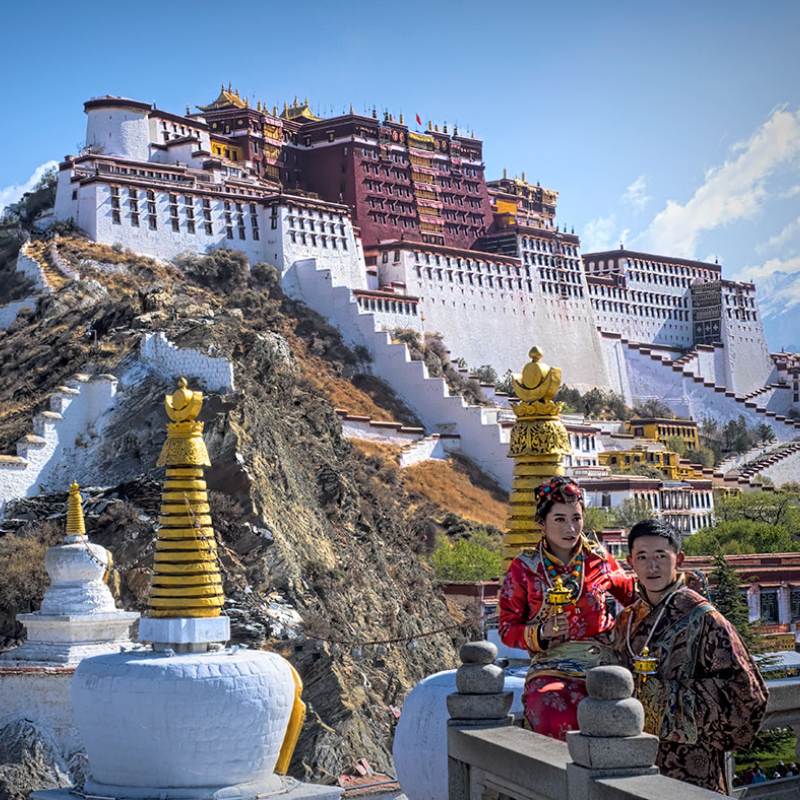
The Ultimate Guide to Potala Palace

Activities Highlights
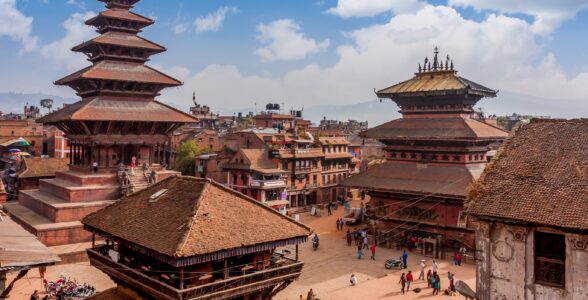
Rising more than 100 meters above the city of Lhasa, Potala Palace is the single most recognizable image of Tibet — and for most travelers, the reason a Tibet trip goes from “someday” to “booked.” This guide to Potala Palace covers everything you need before you go: its history, what’s inside, how much tickets cost, when to visit, and the etiquette that will make your visit smoother and more respectful.
Whether you’re researching your first trip to Lhasa or just want to understand why this palace matters so much to Tibetan culture, here’s what to know about visiting Potala Palace.
What Is Potala Palace?
Potala Palace sits atop Marpo Ri, or “Red Hill,” in the center of Lhasa, at an elevation of roughly 3,700 meters (about 12,100 feet). It was originally built in the 7th century as a residence for the Tibetan king Songtsen Gampo, then rebuilt on a much grander scale in the 17th century under the 5th Dalai Lama, who made it his winter residence and the political and religious center of Tibet.
Today the palace functions as a museum, but it remains one of the most sacred sites in Tibetan Buddhism. In 1994, UNESCO inscribed it as a World Heritage Site alongside the nearby Jokhang Temple and Norbulingka, recognizing it as an outstanding example of traditional Tibetan architecture and a symbol of the historical fusion of religious and political authority in the region.
The name “Potala” comes from Mount Potalaka, the mythical abode of Avalokiteshvara (Chenrezig), the Buddhist deity of compassion — a detail that helps explain why the palace carries such deep spiritual weight for Tibetan Buddhists, beyond its role as a historic landmark.
Potala Palace History: From Royal Fortress to World Heritage Site
The story of Potala Palace has two major chapters.
7th century — the original palace. King Songtsen Gampo built the first structure on this site after moving Tibet’s capital to the Lhasa valley. Much of that original building was later damaged by fire, lightning, and warfare over the following centuries.
17th century — the reconstruction. In 1645, the 5th Dalai Lama began rebuilding the palace on a far grander scale. Construction of the White Palace was completed within a few years, and the Red Palace was added afterward by his regent. Successive Dalai Lamas continued to expand and refine the complex over the next three centuries, adding golden rooftops, chapels, and the funerary stupas that now hold the remains of past Dalai Lamas.
By the 1930s, following the completion of the 13th Dalai Lama’s memorial stupa, Potala Palace had taken the form seen today: a fortress-like complex of more than 1,000 rooms spread across roughly 130,000 square meters. It served as the winter home and seat of government for the Dalai Lama until 1959, when the 14th Dalai Lama left Tibet; the palace was subsequently converted into a museum.
Potala Palace Architecture: White Palace vs. Red Palace
The building itself is really two palaces built into one another, and understanding this division is the fastest way to make sense of what you’re looking at.
The White Palace (Potrang Karpo)
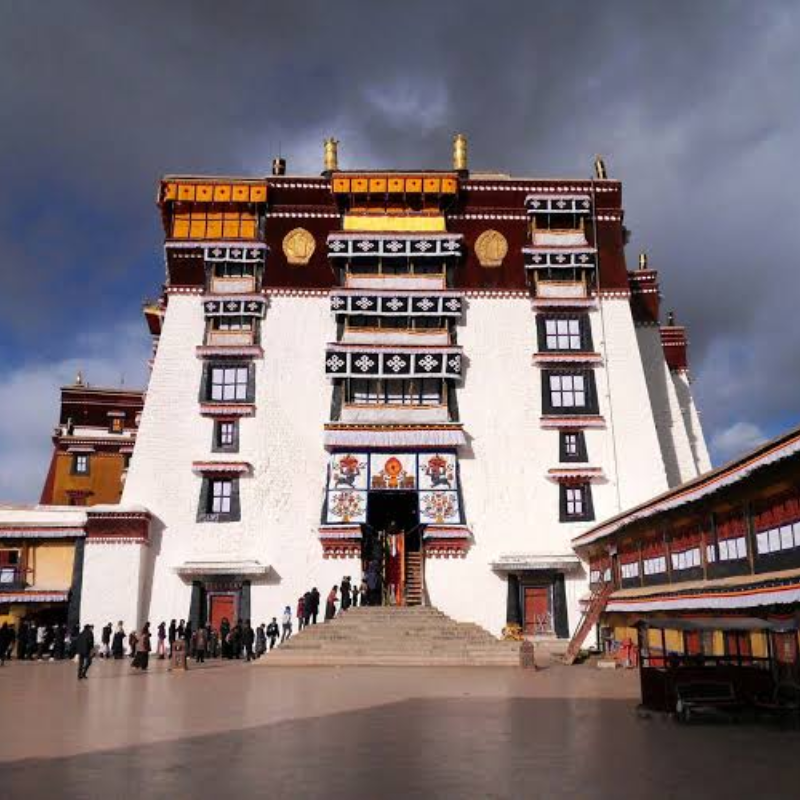
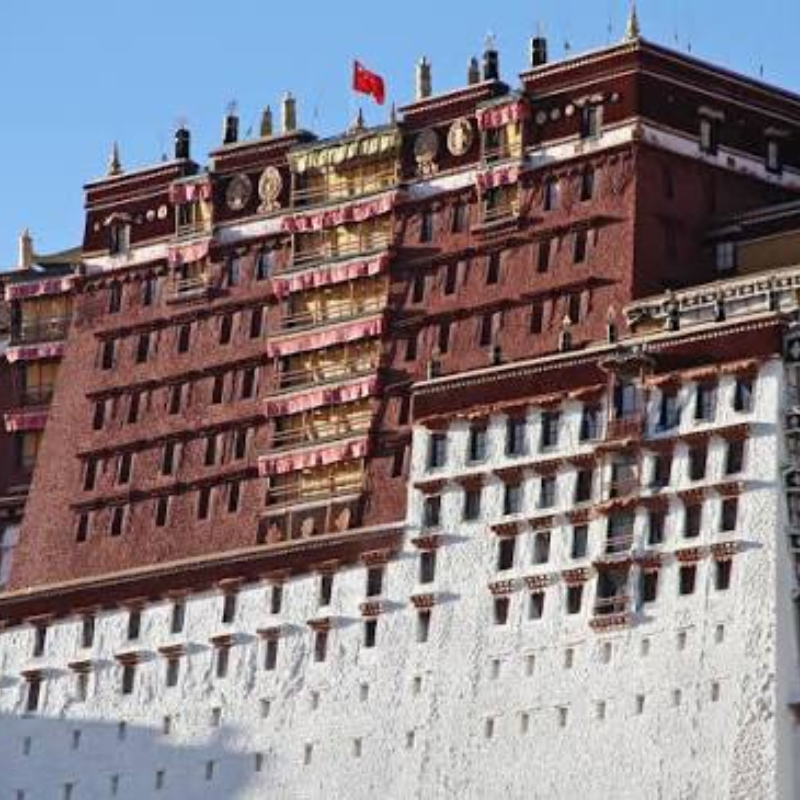
The White Palace is the outer, lower structure — historically the Dalai Lama’s living quarters and the seat of Tibet’s civil government. Its whitewashed walls (traditionally maintained with a wash of lime, milk, and honey) are said to symbolize peace. Inside are assembly halls, government offices, and the private apartments once used by the 13th and 14th Dalai Lamas, offering a rare look at how the palace functioned day to day.
The Red Palace (Potrang Marpo)
The Red Palace sits above the White Palace and is dedicated entirely to religious and ceremonial life. Its deep red walls mark it as the spiritual core of the complex. Inside are the ornate funerary stupas of past Dalai Lamas — several covered in gold and inlaid with precious stones — along with meditation chambers, chapels, and murals depicting key events in Tibetan history, including the arrival of Princess Wencheng.
The Snow City (Shöl)
At the base of the hill sits Shöl, sometimes called the “Snow City,” which historically housed the palace’s administrative and support functions — printing workshops, storerooms, and residences for palace staff. Several of these buildings have been restored and are now open as part of the visitor route.
What’s Inside Potala Palace?
Beyond the two main palaces, visitors can expect to see:
- Funerary stupas of eight past Dalai Lamas, several gilded and jeweled
- Hundreds of murals depicting Tibetan history and Buddhist teachings
- Thangka paintings — traditional Tibetan scroll art depicting religious figures and stories
- Sacred statues, including large images of Sakyamuni Buddha and other key figures in Tibetan Buddhism
- Former living quarters of the 13th and 14th Dalai Lamas in the White Palace
Photography is generally not permitted once you’re inside the chapels and halls, out of respect for the religious relics housed there — so plan to capture your photos of the exterior and courtyards instead.
Planning Your Potala Palace Visit
How to Get There
Potala Palace sits in central Lhasa, within easy reach of the Barkhor Street old town on foot and about an hour’s drive from Lhasa Gonggar Airport. Most travelers combine the Potala Palace visit with Jokhang Temple and Barkhor Street, since all three sit close together and form the historic heart of the city.
Tickets and Entry
Ticket pricing has historically followed a seasonal structure — higher during the peak travel months (roughly May through October) and lower in the off-season (November through April). Because pricing, visitor caps, and booking windows change from year to year and are managed through official channels, it’s worth confirming current rates and reservation requirements directly with your tour operator before you travel, rather than relying on older published figures.
One thing that hasn’t changed: same-day tickets typically aren’t available, and visitor numbers are capped daily to protect the site — so tickets need to be arranged in advance, which is one reason most visitors book through a licensed Tibet travel agency rather than attempting to walk up and buy an entry pass.
How Long Does a Visit Take?
Inside the palace itself, visits are time-limited — typically capped at around an hour to manage visitor flow. If you factor in the walk up from Shöl village at the base, the surrounding pilgrimage circuit, and time in Zongjiao Lukang Park behind the palace, plan for two to four hours to see the site properly.
Best Time to Visit Potala Palace
Potala Palace is open year-round, and each season offers a different experience:
- Spring (April–May): Mild weather, thinner crowds, and nearby peach blossoms in Nyingchi if you’re extending your trip.
- Summer (June–August): Peak season — the liveliest time in Lhasa, with major Tibetan festivals like Saga Dawa and Shoton, but also the biggest crowds.
- Autumn (September–October): Clear skies and comfortable temperatures make this a favorite for photography and for pairing Lhasa with an Everest Base Camp extension.
- Winter (November–March): The quietest season, with noticeably fewer visitors and often lower off-season rates on hotels and tours — a good option if you’d rather explore without the crowds.
Altitude and Physical Demands
Lhasa itself sits at roughly 3,650–3,700 meters, and the climb up to the palace adds a significant number of stone steps on top of that. Most travelers manage the climb without serious difficulty, but altitude sickness is a real consideration at this elevation. A few practical tips:
- Don’t schedule your Potala Palace visit on your first day in Lhasa — give your body at least a day or two to acclimatize first.
- Walk slowly and take breaks on the way up; there’s no need to rush.
- Stay hydrated and avoid alcohol in the days before your visit.
- Talk to your doctor before the trip if you have any heart or respiratory conditions.
Etiquette and Taboos at Potala Palace
Because Potala Palace remains an active religious site for Tibetan Buddhists, a few customs are worth knowing before you go:
- Dress modestly — avoid sleeveless tops, shorts, or skimpy clothing.
- Remove hats and sunglasses when entering chapels and halls.
- Don’t touch statues, murals, or religious relics.
- Photography is not allowed inside the chapels; save your photos for the courtyards and exterior.
- If you join the kora (pilgrimage circuit) around the palace, walk clockwise, in keeping with Tibetan Buddhist tradition.
- Keep your voice low inside — for many visitors, this is a place of worship, not just a tourist attraction.
Best Photo Spots for Potala Palace
If you’re hoping to bring home a great shot of the palace, a few spots near the site are consistently recommended by photographers and past visitors:
- Potala Palace Square, directly opposite the palace, for the classic full-front view
- Zongjiao Lukang Park, behind the palace, for the reflection shot across its lake
- Chakpori Hill viewing platform, for an elevated angle over the old town
requently Asked Questions
Where is Potala Palace located? Potala Palace is in the center of Lhasa, Tibet, built on top of Marpo Ri (Red Hill), within walking distance of Barkhor Street and Jokhang Temple.
How old is Potala Palace? Its history dates back to the 7th century, though the palace as it stands today was largely built during a major 17th-century reconstruction under the 5th Dalai Lama, with additions continuing into the 20th century.
How much does it cost to visit Potala Palace? Ticket prices vary by season and are managed through official booking channels, so costs can change year to year. Check current pricing with a licensed Tibet tour operator before you travel.
Do I need a guide to visit Potala Palace? Yes — international travelers need a Tibet travel permit and must visit as part of an organized tour with a licensed agency, which also typically handles ticket reservations for the palace.
Can I take photos inside Potala Palace? You can photograph the exterior, courtyards, and surrounding grounds, but photography is not permitted inside the chapels and halls, out of respect for the religious artifacts and relics housed there.
What is the difference between the White Palace and Red Palace? The White Palace was the Dalai Lama’s residence and the seat of government; the Red Palace is dedicated to religious functions and houses the funerary stupas of past Dalai Lamas.
How many days should I spend seeing Potala Palace and Lhasa? Most travelers spend three to four days in Lhasa, which allows time to acclimatize, visit Potala Palace, and see Jokhang Temple, Barkhor Street, and at least one of the major monasteries.
Is Potala Palace difficult to visit because of the altitude? The climb involves several hundred stone steps at an elevation of around 3,700 meters, which can be tiring, but most visitors manage it comfortably by pacing themselves and allowing time to acclimatize beforehand.
Final Thoughts
Potala Palace isn’t just a photo stop — it’s the physical record of centuries of Tibetan political and religious history, and for many visitors, it’s the moment a Tibet trip starts to feel real. Whether you’re drawn by the architecture, the history, or the spiritual significance of the site, a visit to Potala Palace is worth building your entire Lhasa itinerary around.
Planning a Lhasa Tour? Mission Nepal Holidays to arrange your Tibet travel permit, tickets, and a licensed local guide for Potala Palace and the rest of your Lhasa itinerary.