
Lhasa Travel Guide: The Complete Visitor’s Guide to Tibet’s Holy City
Activities Highlights
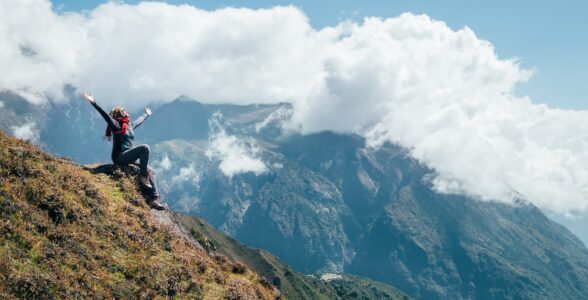
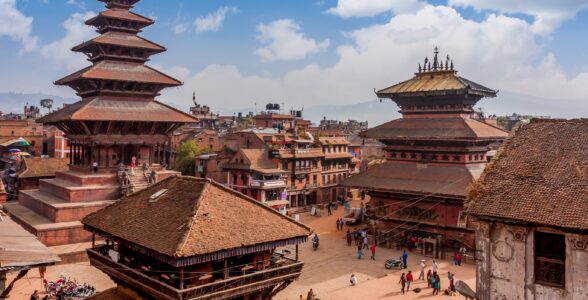
Lhasa, the spiritual and political heart of Tibet, has long attracted pilgrims, adventurers, photographers, and culture enthusiasts from around the world. Every journey across the Tibetan Plateau is often centered around this remarkable city, making a Lhasa Travel Guide one of the most valuable resources for anyone planning a Tibet tour.
Situated at an elevation of approximately 3,650 meters (11,975 feet), Lhasa is known as the “City of Sunshine” because over 3,000 hours of sunshine are enjoyed every year. Ancient monasteries, sacred temples, bustling pilgrimage routes, and breathtaking Himalayan landscapes are all found here. With proper preparation, a visit to Lhasa can become one of the most memorable travel experiences in Asia.
This Lhasa Travel Guide covers everything that should be known before visiting the capital of Tibet, including the best attractions, permits, transportation, weather, food, accommodation, cultural etiquette, travel tips, and frequently asked questions.
Where Is Lhasa?
Lhasa is located in the Tibet Autonomous Region of China on the northern side of the Himalayas. The city serves as the administrative, cultural, religious, and tourism center of Tibet.
Most international travelers reach Lhasa either by flying from major Chinese cities or by boarding the famous Qinghai-Tibet Railway. Overland journeys from Nepal are also arranged through authorized tour operators.
Why Should Lhasa Be Visited?
A visit to Lhasa is often regarded as the highlight of any Tibet itinerary. The city’s centuries-old heritage has been preserved through magnificent monasteries, sacred pilgrimage routes, and traditional Tibetan neighborhoods.
Visitors are welcomed by friendly locals, colorful prayer flags, spinning prayer wheels, and spectacular mountain scenery. Ancient Buddhist traditions continue to be practiced every day, allowing travelers to witness a unique way of life that has endured for generations.
Best Places to Visit in Lhasa
Potala Palace
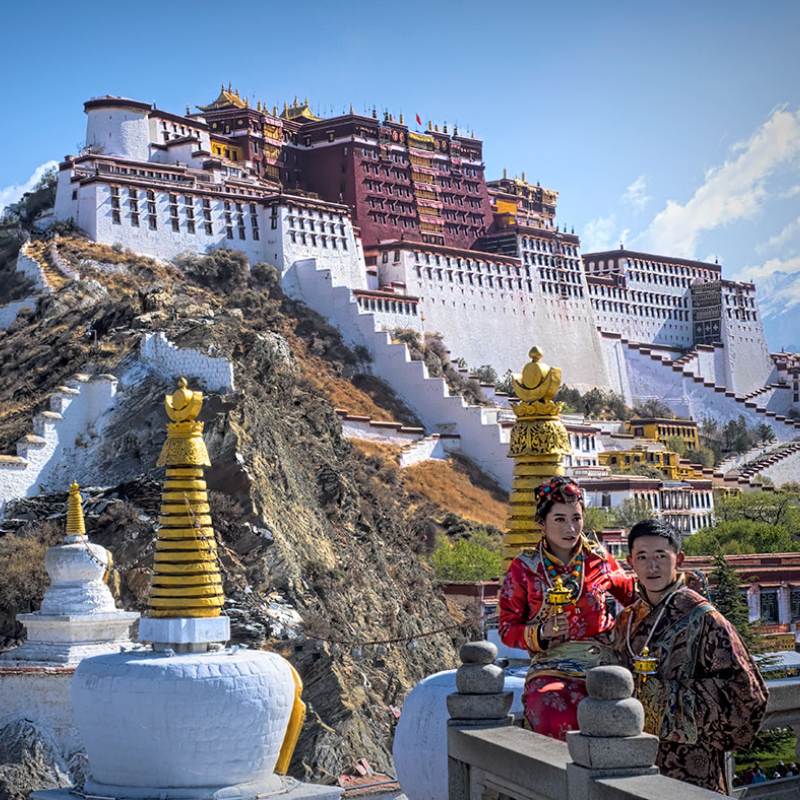
The iconic Potala Palace dominates the skyline of Lhasa and is considered Tibet’s most famous landmark. Once used as the winter residence of the Dalai Lamas, the palace now functions as a museum and a UNESCO World Heritage Site.
Its white and red walls contain thousands of sacred rooms, ancient murals, priceless Buddhist scriptures, and magnificent golden stupas.
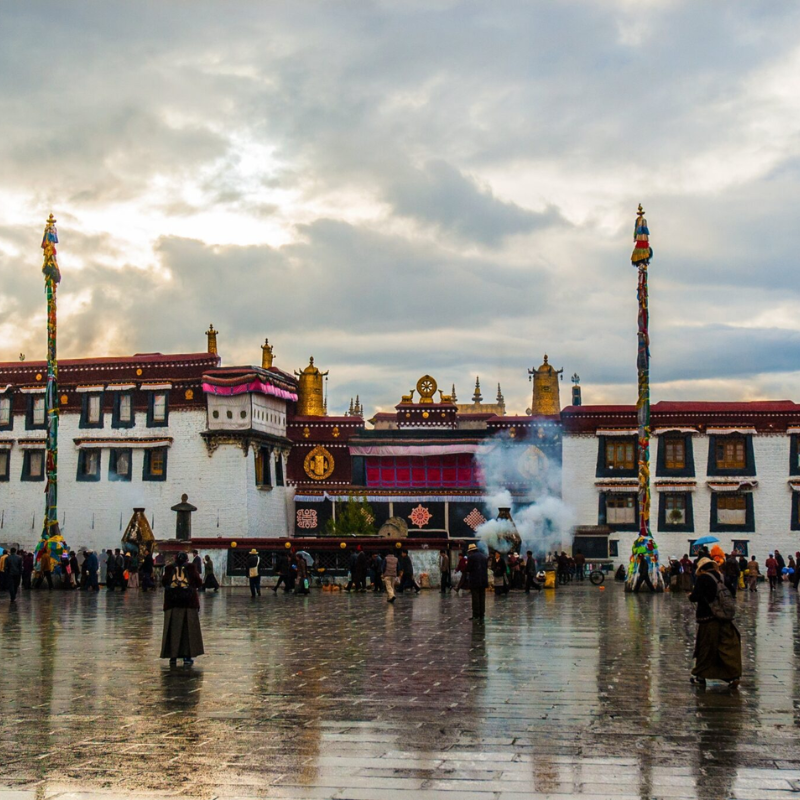
Jokhang Temple
The sacred Jokhang Temple is regarded as the holiest Buddhist temple in Tibet. Pilgrims from every corner of Tibet travel here to pay their respects.
The temple houses the revered Jowo Shakyamuni statue, believed to be one of the oldest and most sacred images of the Buddha.
Barkhor Street
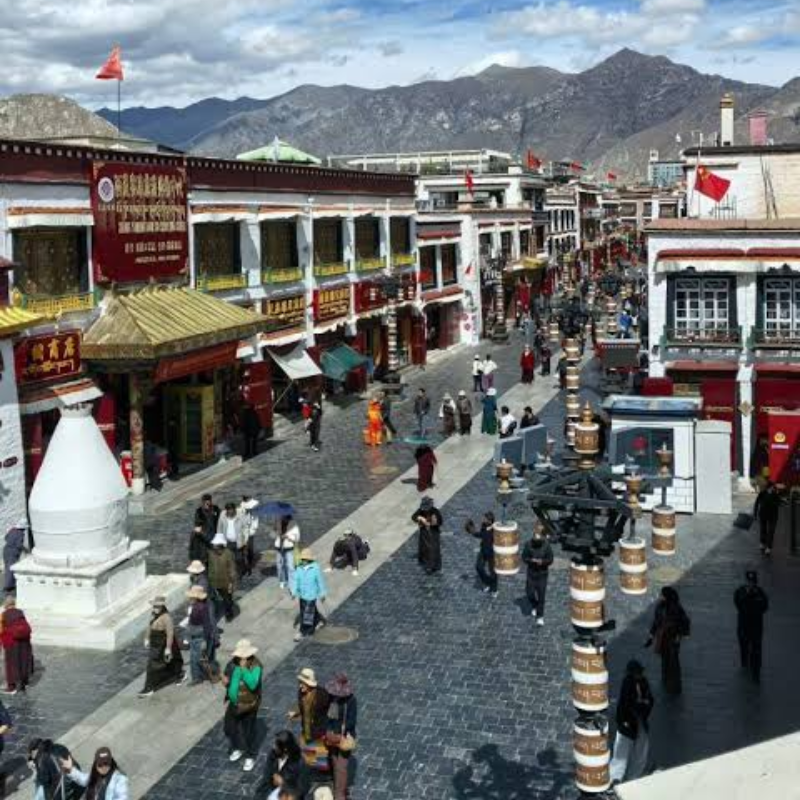
Barkhor Street surrounds Jokhang Temple and serves as Lhasa’s oldest pilgrimage circuit.
Traditional shops, tea houses, handicraft stores, incense vendors, and local restaurants can all be explored while pilgrims perform their clockwise kora around the temple.
Sera Monastery
Sera Monastery is internationally known for its lively monk debate sessions. Buddhist philosophy is discussed through animated gestures and logical arguments, creating one of Lhasa’s most fascinating cultural experiences.
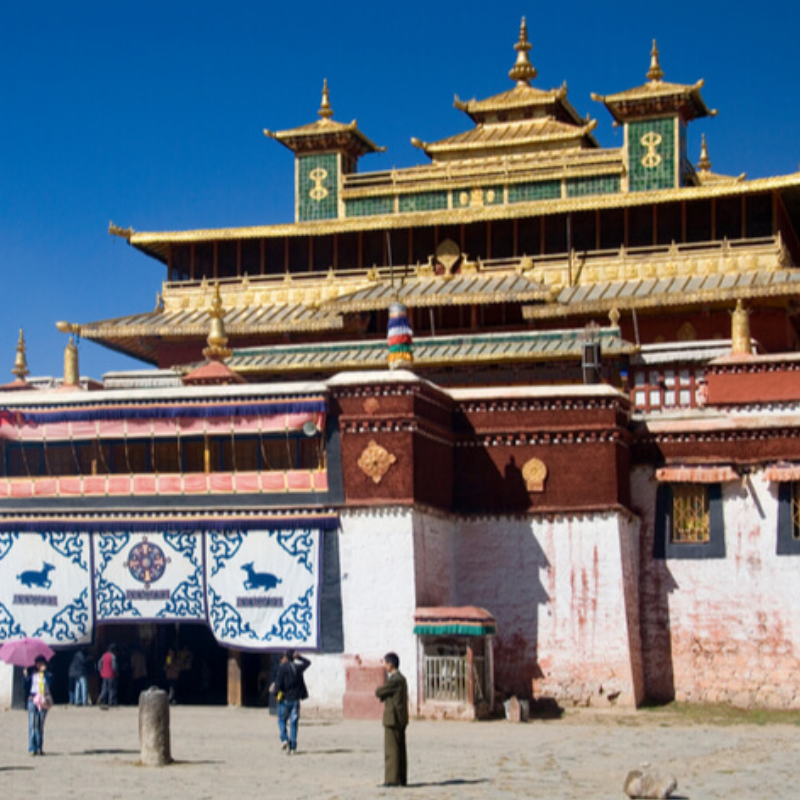
Drepung Monastery
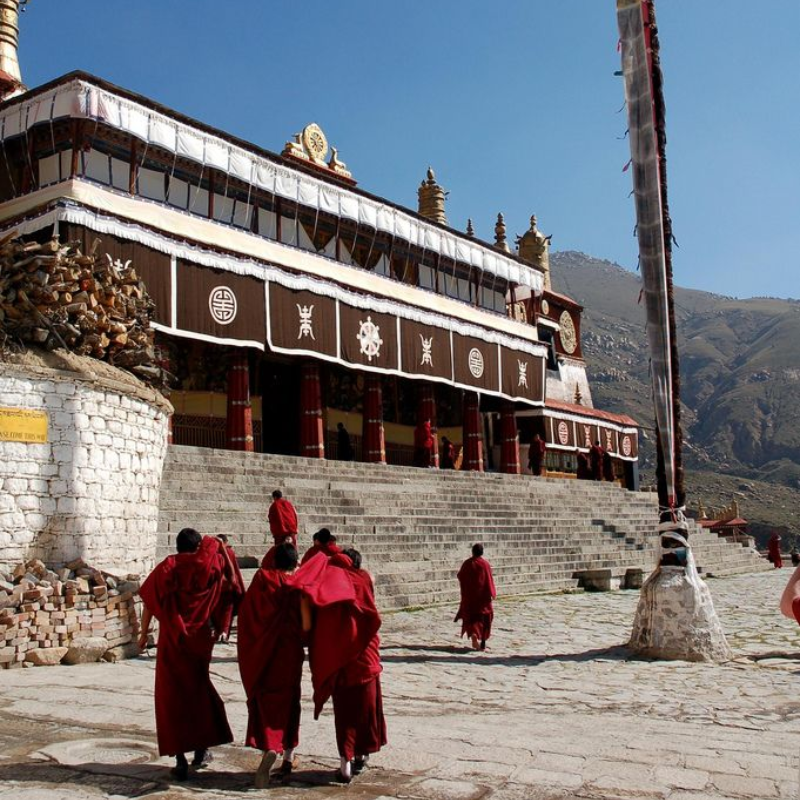
Once recognized as the world’s largest monastery, Drepung Monastery was home to thousands of monks. Beautiful assembly halls, ancient scriptures, and panoramic views of Lhasa are offered to visitors.
Best Time to Visit Lhasa
Spring, summer, and autumn are considered the ideal seasons for visiting Lhasa.
- March to May offers pleasant temperatures and blooming landscapes.
- June to August brings lively festivals and greener scenery.
- September to October provides crystal-clear mountain views and comfortable weather.
- November to February sees fewer tourists and quieter attractions, although temperatures become much colder.
Weather in Lhasa
Due to its high elevation, strong sunshine is experienced throughout the year. Even during summer, evenings remain cool.
Travelers should always carry warm clothing, sunscreen, sunglasses, lip balm, and a hat.
How to Reach Lhasa
Several transportation options are available.
By Air
Weekly flights operate from Kathmandu via Himalayan Airways.
By Road
Overland tours from Nepal via Gyirong Border can be arranged with licensed Tibet travel agencies.
Tibet Travel Permit
A Tibet Travel Permit is required for all foreign visitors.
Independent travel is not permitted, and guided tours must be booked through an authorized Tibet travel agency before arrival.
Accommodation in Lhasa
Accommodation in Lhasa options range from comfortable guesthouses to luxury hotels.
Many hotels are located near Barkhor Street, making major attractions easily accessible on foot.
What to Eat in Lhasa
Traditional Tibetan cuisine offers many unique dishes.
Popular foods include:
- Tibetan Momos
- Thukpa
- Tsampa
- Yak Meat
- Yak Yogurt
- Butter Tea
- Tibetan Bread
- Shabaley
International restaurants serving Chinese, Nepalese, Indian, and Western cuisine are also available.
Shopping in Lhasa
Popular souvenirs include:
- Prayer flags
- Singing bowls
- Tibetan jewelry
- Handwoven carpets
- Incense
- Prayer wheels
- Thangka paintings
- Yak wool products
Cultural Etiquette
Respect for local customs should always be shown.
- Monasteries should be entered quietly.
- Photography restrictions should be followed.
- Prayer wheels should always be turned clockwise.
- Modest clothing should be worn.
- Religious ceremonies should not be interrupted.
Altitude Sickness
Because Lhasa sits above 3,600 meters, altitude sickness may affect some travelers.
The following precautions are recommended:
- Rest upon arrival.
- Drink plenty of water.
- Avoid strenuous activities during the first two days.
- Eat light meals.
- Avoid alcohol.
Essential Packing List
Items that should be packed include:
- Passport
- Tibet Travel Permit
- Warm jacket
- Hiking shoes
- Sunscreen
- Sunglasses
- Hat
- Power bank
- Personal medications
- Reusable water bottle
Photography Tips
The most beautiful photographs can be captured during early morning and late afternoon when soft golden light illuminates the city’s historic buildings.
Permission should always be requested before photographing monks or local residents.
Frequently Asked Questions
How many days should be spent in Lhasa?
A stay of three to four days is generally recommended for sightseeing and altitude acclimatization.
Is Lhasa safe?
Yes. Lhasa is considered one of the safest tourist destinations in Tibet when local regulations are followed.
Can Lhasa be visited independently?
No. Foreign travelers are required to join an organized tour arranged through a licensed Tibet travel agency.
Is English widely spoken?
Basic English is spoken at many hotels and tourism businesses, but learning a few Tibetan greetings can enhance your travel experience.
Final Thoughts
A journey to Tibet is rarely considered complete without visiting its extraordinary capital. This Lhasa Travel Guide has been prepared to help travelers explore the city’s sacred monasteries, vibrant markets, magnificent palaces, and timeless traditions with confidence.
Whether your itinerary includes Everest Base Camp, Mount Kailash, or a cultural tour across Tibet, Book today Lhasa will almost certainly become the unforgettable highlight of your adventure