
First-Time Visitor’s Guide to Mount Kailash

Activities Highlights
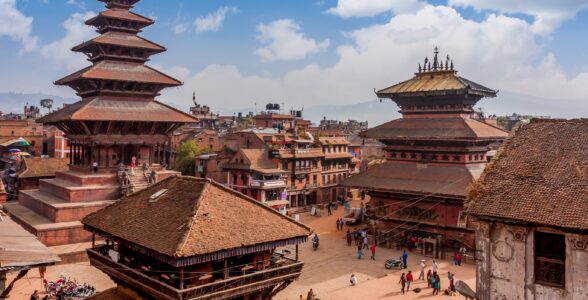
Mount Kailash isn’t a destination people stumble into — it’s usually something you think about for a long time before you actually book it. If you’re reading this, you’re probably somewhere between “is this really possible for me?” and “what do I actually need to know?”
This guide answers both. Here’s what a first visit to Mount Kailash actually involves — the permits, the altitude, the kora itself, and the practical decisions that make the difference between a trip that goes smoothly and one that doesn’t.
What Is Mount Kailash?
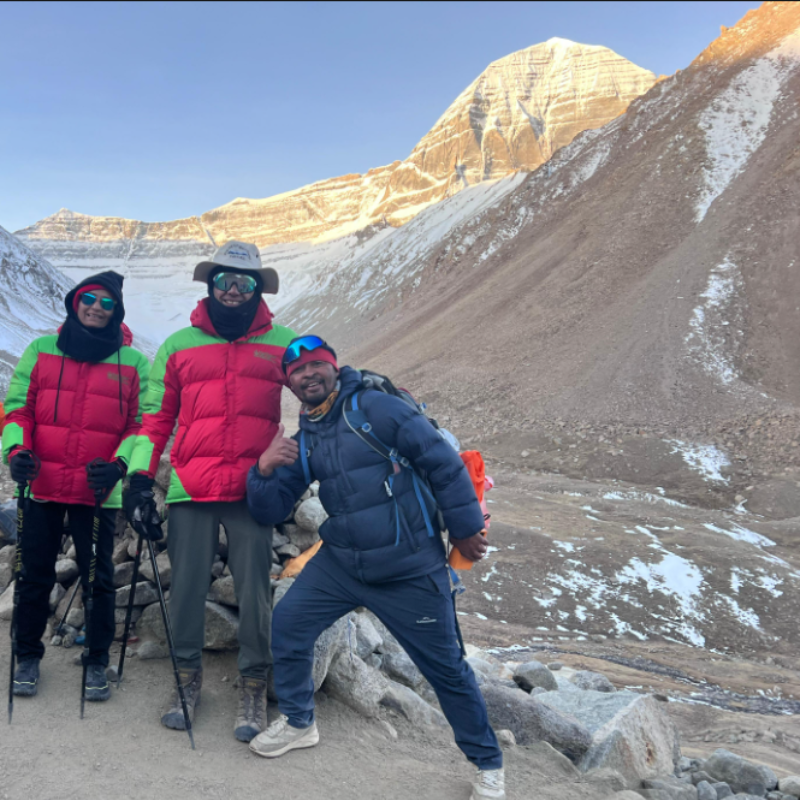
Mount Kailash is a 6,638-meter peak in a remote part of western Tibet, near the Nepal and India borders. It’s considered sacred across four traditions — Hinduism, Buddhism, Jainism, and the Bon faith — which makes it one of the few places on earth where entirely different religious communities converge on the same mountain for the same reason: to walk around it.
That walk is called the kora (or parikrama in Hindu tradition) — a roughly 52-kilometer circuit around the base of the mountain, typically completed over two to three days. Most itineraries also include time at Lake Manasarovar, one of the highest freshwater lakes in the world and considered sacred in its own right.
Mount Kailash has never been climbed, and it isn’t a mountaineering objective — no permits exist for summiting it, and the pilgrimage tradition is built entirely around circling the mountain, not ascending it.
Can a First-Timer Actually Do This?
Yes — and this is worth saying clearly, because a lot of people talk themselves out of it before they’ve looked into what’s actually required.
You don’t need mountaineering experience or technical skills. What you do need is reasonable physical fitness, some walking stamina, and a willingness to move slowly and let your body adjust to the altitude. The trip is deliberately paced with rest days built in for exactly this reason.
The people who struggle most on this trip aren’t usually the least fit — they’re the ones who show up expecting comfort, or who push too hard, too fast, ignoring the altitude. Patience matters more than athletic ability here.
What the Journey Actually Looks Like
Most Mount Kailash trips begin in Kathmandu or Lhasa, then travel overland across the Tibetan plateau by vehicle — long driving days on rough, high-altitude roads, often six to nine hours at a stretch. The landscape shifts as you go: towns get smaller, the terrain opens up, and the pace of everything slows down.
After reaching the Kailash region, most itineraries include:
- Time at Lake Manasarovar — many travelers take a ritual bath here, and it’s often one of the more emotionally striking parts of the trip.
- The Kailash Kora — a three-day walk around the mountain’s base, usually starting and ending at Darchen, with overnight stops along the way.
- Dolma La Pass (5,630m) — the highest and hardest point of the kora, usually crossed before dawn on day two.
The full trip, door to door, typically runs somewhere between 10 and 15 days depending on your route and whether you fly or overland into Tibet — but exact duration varies by operator and itinerary, so confirm specifics when you book.
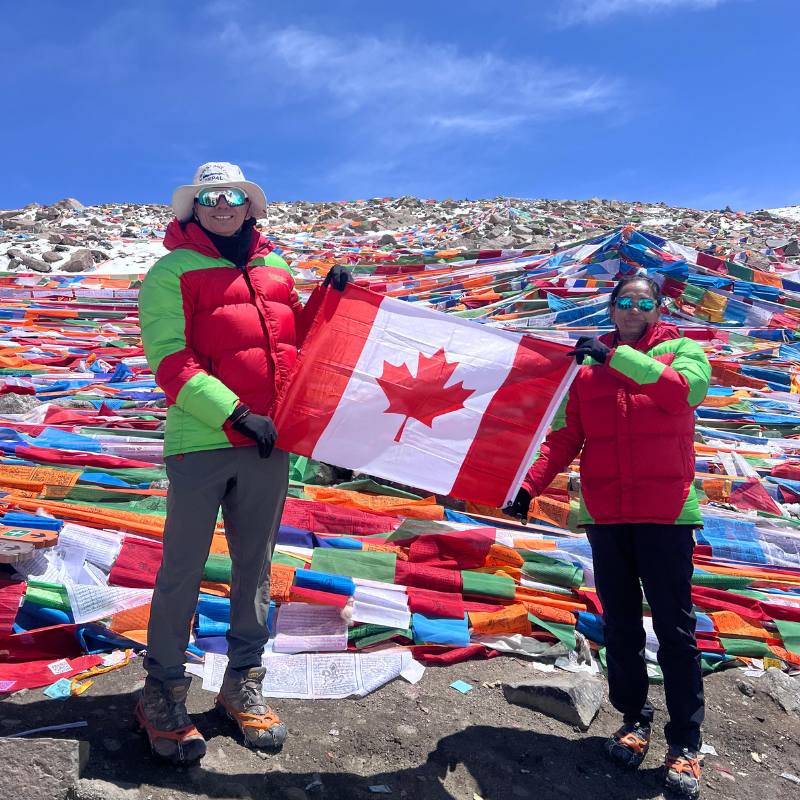
How Difficult Is Mount Kailash, Really?
The kora itself isn’t technically difficult — there’s no climbing or exposed scrambling involved. The difficulty comes almost entirely from altitude.
At elevations above 4,500 meters, the air holds noticeably less oxygen. Ordinary walking starts to feel harder than it should. You’ll likely lose your appetite, sleep poorly, and recover more slowly overnight than you’re used to at lower elevations. None of this necessarily means something is wrong — it’s a normal physiological response to altitude, and it’s exactly why the itinerary builds in slow pacing and acclimatization time.
Dolma La Pass is the toughest single stretch: a steep, pre-dawn climb to 5,630 meters, often in freezing temperatures. Most people describe it as the physical and emotional high point of the whole trip — genuinely difficult, but also the part they remember most vividly afterward.
Permits and Documents
Independent travel to the Mount Kailash region isn’t possible — international travelers need a Tibet Travel Permit, and the Kailash area also requires additional permits beyond the standard Tibet entry permit, since it’s a restricted border region. These are arranged through a licensed tour operator, not applied for individually, so this is one part of the trip you can’t really DIY.
Practical documents to have ready well in advance:
- A passport valid for at least six months beyond your travel dates
- Multiple passport photos and scanned copies
- Any visa required for your entry country (Nepal or China, depending on your route)
- Travel insurance that explicitly covers high-altitude trekking and emergency evacuation
Give your operator plenty of lead time — permit processing for this region generally takes longer than a standard Tibet tour, so book and submit documents well ahead of your intended travel dates.
Best Time to Visit Mount Kailash
The most reliable window is May through September, when weather on the plateau is at its most stable and the route is most accessible. Outside this period, conditions become harsher and considerably less predictable, which is part of why most operators concentrate their departures in these months.
Within that window, late spring and early autumn tend to bring clearer skies and fewer crowds than peak summer, while summer itself coincides with major pilgrimage season and festivals like Saga Dawa — busier, but a powerful time to be there if you don’t mind sharing the trail.
What to Pack for Mount Kailash
Packing for this trip is less about volume and more about the right layers. A few essentials worth prioritizing:
- A warm sleeping bag rated well below freezing (guesthouse bedding at altitude is often minimal)
- A proper down jacket plus thermal base layers for the Dolma La crossing
- Broken-in, sturdy trekking boots — this is not the trip to test new footwear on
- Headlamp for the pre-dawn Dolma La start
- Basic altitude medication, discussed with your doctor before you travel
- Hand sanitizer and your own toilet paper — facilities along the route are basic
- Cash in the right currency for anything not covered in your package
Keep your pack as light as you reasonably can. A lighter bag makes a real difference on long walking and driving days, and most first-timers pack more than they end up using.
Etiquette Around Mount Kailash
Because this is an active pilgrimage site for multiple religions, a few customs are worth knowing:
- Walk the kora clockwise, in keeping with Buddhist and Hindu tradition (Bon practitioners traditionally walk counterclockwise — ask your guide if you’re unsure of local convention on a given day).
- Dress modestly, particularly around Darchen and the monasteries along the route.
- Be respectful around pilgrims performing prostrations or rituals — give them space rather than photographing closely without asking.
- Follow your guide’s lead on any specific customs at Lake Manasarovar, particularly if you plan to bathe there.
Common Mistakes First-Timers Make
A few patterns show up again and again with people doing this trip for the first time:
- Assuming it will feel easy because it’s “just walking.” The altitude changes everything about how walking feels.
- Overpacking. Extra weight becomes a burden fast at this elevation.
- Rushing the pace, especially on the kora. This trip rewards patience, not speed.
- Underestimating the cold at Dolma La. Temperatures well below freezing before dawn are common — layer accordingly.
- Not building in acclimatization time before the kora begins. Skipping this to save a day or two on the itinerary usually backfires.
Frequently Asked Questions
Do I need trekking experience to visit Mount Kailash? No. Basic fitness and a willingness to walk slowly are more important than prior trekking experience.
How long does the Mount Kailash kora take? Most itineraries complete the kora over three days, with the toughest section — Dolma La Pass — crossed on the second day.
What’s the hardest part of the Mount Kailash trip? Dolma La Pass, both physically and often emotionally — a steep, pre-dawn climb to 5,630 meters in cold conditions.
Can I visit Mount Kailash independently, without a tour? No. The region requires a Tibet Travel Permit plus additional restricted-area permits, which are arranged through a licensed operator rather than independently.
When is the best time to visit Mount Kailash? Generally May through September, when weather and road conditions on the Tibetan plateau are most stable.
Is altitude sickness a serious risk on this trip? It’s a real consideration at these elevations, which is why itineraries build in acclimatization days and why discussing altitude medication with a doctor beforehand is worthwhile.
What should I pack that people usually forget? A proper headlamp for the pre-dawn Dolma La start, and layers warmer than you think you’ll need — the cold at altitude surprises most first-timers.
Final Thoughts
Mount Kailash asks more of you than a typical trip — more preparation, more patience, more comfort with basic conditions and long travel days. But that’s also exactly why people who complete it tend to describe it as genuinely different from anywhere else they’ve traveled. Go in informed, pace yourself, and trust the acclimatization schedule your itinerary is built around.
Ready to plan your first trip to Mount Kailash? Contact [Your Brand] to talk through permits, timing, and route options with a team that’s arranged this journey before.