
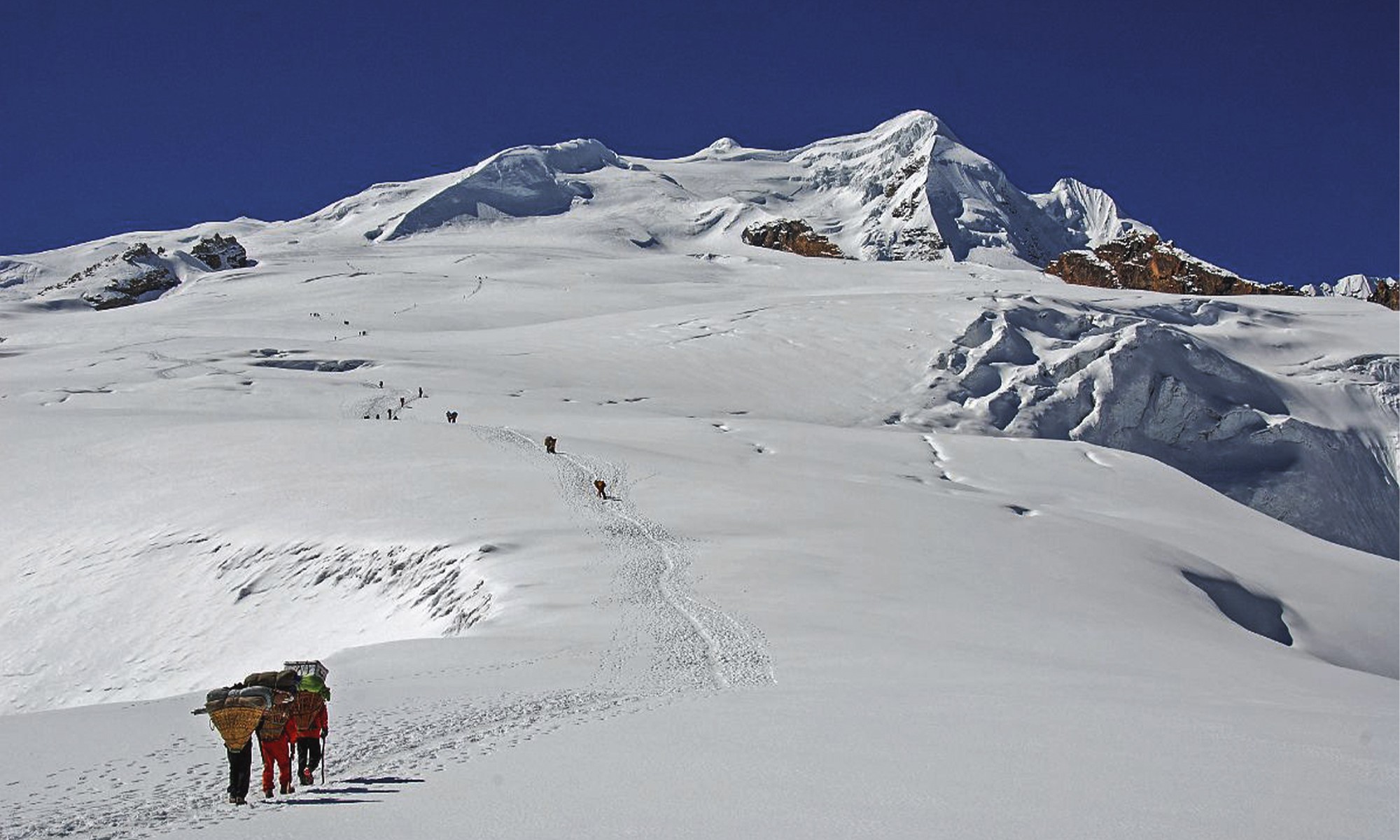
Trekking to Everest in September: What You Need to Know

Activities Highlights
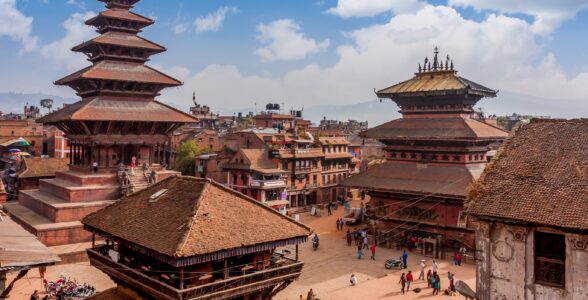
Mount Everest, the world’s highest peak, continues to inspire trekkers from every corner of the globe. While spring is often highlighted as a prime trekking season, autumn offers an equally magical experience—especially in September. As the official beginning of autumn in Nepal, September brings fresh post-monsoon landscapes, clear mountain views, and pleasant weather, making it a wonderful time to trek to Everest Base Camp (EBC).
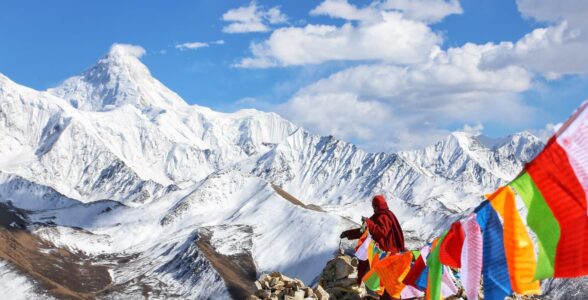
Trekking to Everest Base Camp is best done in spring and autumn, and among these seasons, September has its own special charm. As the monsoon gradually fades away, the rain washes dust and pollution from the atmosphere, leaving behind a crystal-clear environment. The verdant hills glow in shades of green, pastures look fresh and lively, and the snow-covered peaks stand out sharply against deep blue skies. The scenery during this time is nothing short of breathtaking.
September strikes the perfect balance when it comes to weather. Trekking in extreme cold can be uncomfortable, while excessive heat and rain can ruin the experience. September solves all these issues. Daytime temperatures are mild and ideal for hiking, while nights are cool, reminding you that winter is slowly approaching. The pleasant climate allows trekkers to walk comfortably for long hours while fully enjoying the surrounding beauty.
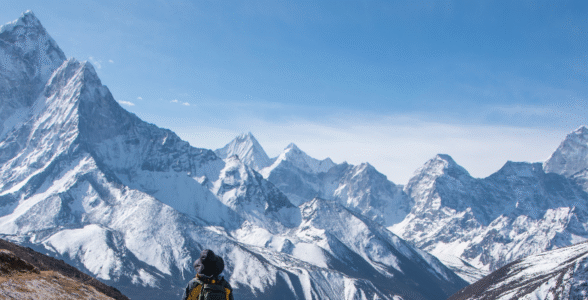
One of the biggest highlights of trekking to Everest Base Camp in September is the exceptional visibility. With the monsoon gone, you can enjoy unobstructed views of iconic Himalayan giants such as Mount Everest (8,848 m), Lhotse (8,515 m), Nuptse (7,861 m), Ama Dablam, and many others. The clear skies make September an excellent month for photography, whether it’s sunrise over Everest or panoramic views from viewpoints like Kala Patthar.
September is also a culturally enriching time to be in the Everest region. As you trek through Sherpa villages like Namche Bazaar, Khumjung, and Tengboche, you’ll witness the daily lifestyle, traditions, and warm hospitality of the Sherpa people. This month often coincides with important Nepali festivals such as Indra Jatra and Teej. Locals celebrate with prayers, music, traditional dress, and food, and trekkers are often welcomed to observe or even participate, making the journey even more memorable.
When it comes to weather and temperature, September is one of the most favorable months for trekking in the Himalayas. Early September may still experience occasional rain at lower elevations, so carrying rain protection is important. As the month progresses, the weather becomes more stable. Skies turn clear, winds remain mild, and the landscapes appear greener than ever. At Everest Base Camp, daytime temperatures usually range between 8°C and 15°C, while nighttime temperatures can drop from 7°C to as low as -1°C. Warm clothing is essential for the chilly nights, especially at higher altitudes.
Traditional tea houses along the Everest Base Camp trail.
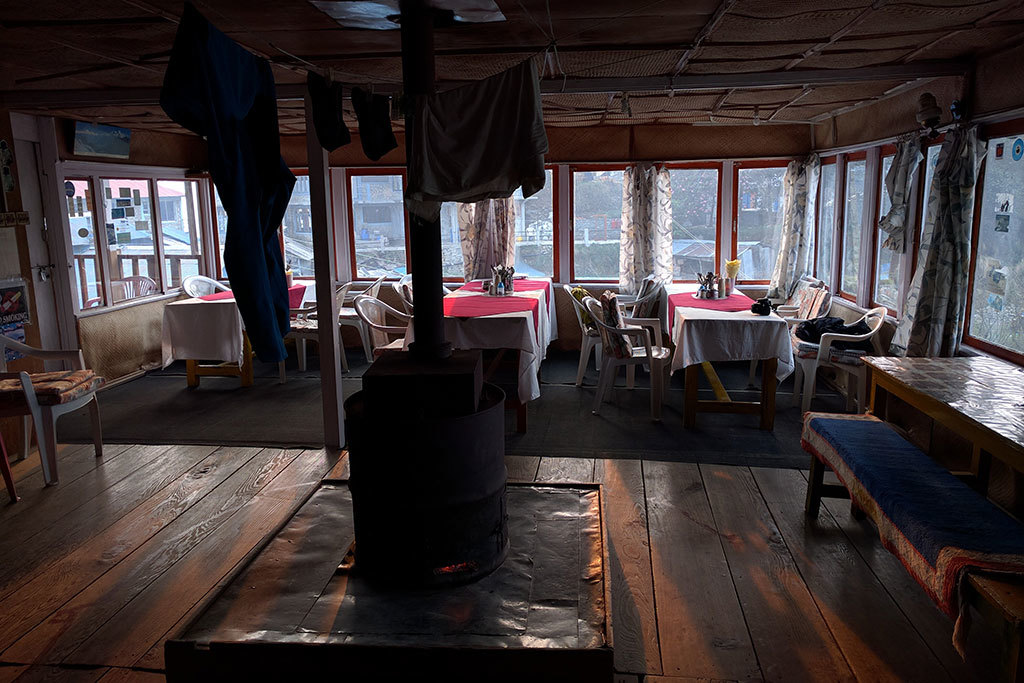
Accommodation and food availability on the EBC trail in September is another advantage. Since September marks the beginning of the autumn season, the trails are less crowded compared to peak months like October. This means better availability of rooms in tea houses and lodges, often without the need for early bookings. Most tea houses offer basic but comfortable accommodation, usually on a twin-sharing basis, though solo trekkers may even get single rooms due to fewer crowds.
Food along the trail is simple yet nourishing. As you gain altitude, menu options become more limited, but you’ll still find a variety of local and international dishes. Common meals include rice, noodles, pasta, bread, pancakes, porridge, momos, yak cheese, soups, and the popular Nepali staple, Daal Bhat. This balanced meal provides the carbohydrates and protein needed for long trekking days. Staying hydrated is crucial—drinking 3 to 4 liters of water daily is highly recommended.
Trekking to Everest Base Camp in September comes with several benefits. The trails are quieter, offering more solitude and a deeper connection with nature. The post-monsoon clarity ensures stunning mountain views, while the greenery along the trail refreshes both body and mind. Accommodation is easier to find, flights to Lukla face fewer delays, and the overall trekking experience feels relaxed and well-balanced.
That said, September does come with a few challenges. Early September may still experience leftover monsoon rain, making some trails slippery. Altitude remains a major challenge regardless of the season, with risks of Acute Mountain Sickness (AMS) as you ascend toward Kala Patthar (5,644 m). Cold nights can also be demanding if you are not well-prepared with proper gear.
To make the most of your September trek, it’s best to start your hikes early in the morning, maintain a slow and steady pace, drink plenty of water, and pay close attention to your body. Packing rain gear, warm clothing, sturdy waterproof boots, and a good sleeping bag is essential. Carrying energy snacks, basic first aid supplies, and personal toiletries will also help ensure a smoother journey.
September is undeniably a beautiful time for trekking in Nepal. The Everest Base Camp trek in September offers a perfect blend of pleasant weather, lush landscapes, cultural experiences, and fewer crowds. If you’re looking for a rewarding Himalayan adventure with clear views and a peaceful atmosphere, September might just be the ideal month for you.
With proper planning and preparation, trekking to Everest Base Camp in September can be a truly unforgettable experience—one that combines natural beauty, cultural richness, and the thrill of standing at the foot of the world’s highest mountain.