
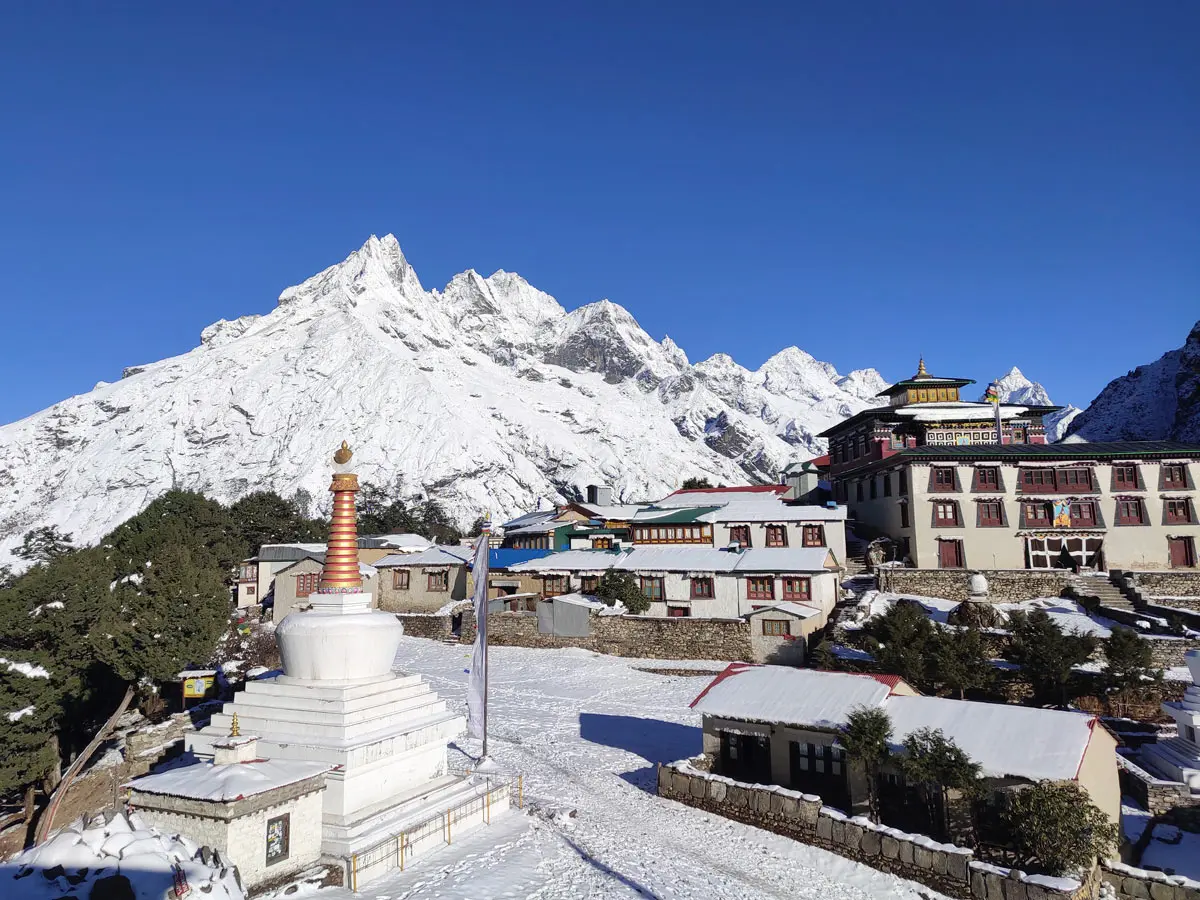
Tengboche: The Spiritual Heart of the Everest Region

Activities Highlights
Location: Khumbu Region, Nepal
Elevation: 3,867 m (12,687 ft)
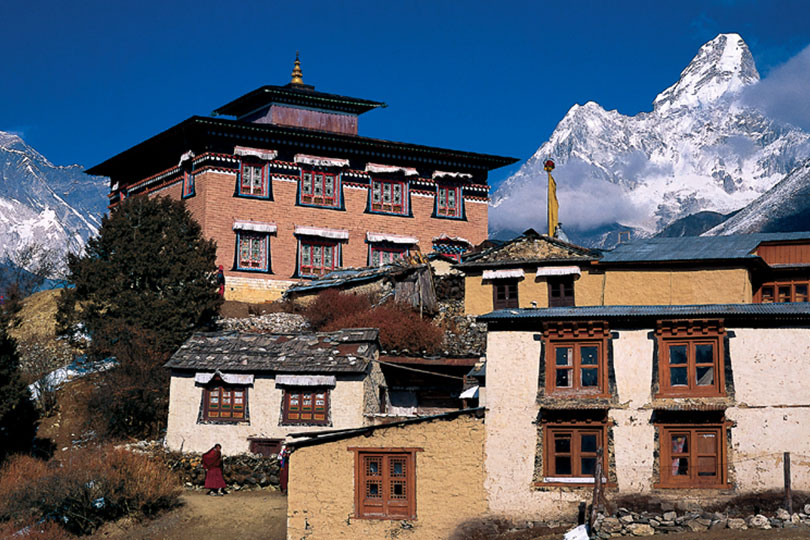
High above the Dudh Koshi Valley, in the heart of Nepal’s legendary Khumbu region, lies Tengboche—a small Sherpa village with one of the most breathtaking viewpoints in the Himalayas. Famous for its iconic monastery and dramatic mountain scenery, Tengboche is undoubtedly one of the most memorable stops on the Everest Base Camp trek.
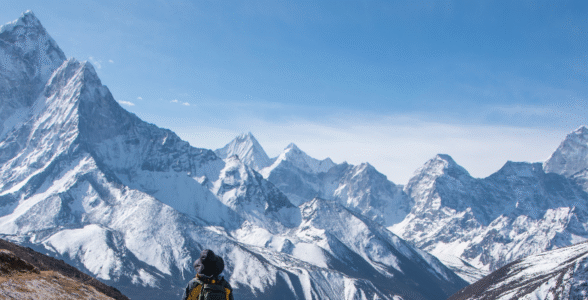
Moreover, from this scenic ridge, travelers are treated to jaw-dropping views of Mount Everest, Ama Dablam, Lhotse, Nuptse, Thamserku, and Tawache—a panorama that alone makes the journey worthwhile. However, Tengboche is more than just a viewpoint; it is the spiritual heart of the Everest region where culture, faith, and adventure beautifully converge.
Tengboche Monastery: Where Himalayan Spirituality Comes Alive
Standing proudly above the village is Tengboche Monastery, the largest and most revered Buddhist monastery in the Khumbu. In fact, also known as Dawa Choeling Gompa, it follows the Nyingmapa tradition of Tibetan Buddhism and has been a spiritual beacon for Sherpas and mountaineers for over a century.
Originally founded in 1916 by Lama Gullu, the monastery has survived earthquakes and devastating fires. Yet, each time it has risen again through the dedication of the Sherpa community. The present structure, rebuilt under the guidance of Nawang Tenzing Jangpo, therefore stands as a powerful symbol of resilience, faith, and unity.
Today, around 60 resident monks live here, performing daily rituals that echo across the mountains—an unforgettable experience for trekkers arriving after a long day on the trail.
A Sacred Stop for Everest Expeditions
Tengboche gained international fame after Tenzing Norgay and Sir Edmund Hillary summited Mount Everest in 1953. Since then, the monastery has become a traditional place for climbers and trekkers to receive blessings before heading higher into the Himalayas.
Visitors are welcome to attend prayer ceremonies, light butter lamps, and observe monastic life. Reconsecrated in 1993, Tengboche Monastery remains one of the most visited and spiritually significant sites in Nepal’s high mountains.
Trekking to Tengboche: A Journey Through Nature
Tengboche lies within Sagarmatha National Park, a UNESCO World Heritage Site, and is accessible only on foot. Most trekkers, therefore, reach it via Lukla – Phakding – Namche Bazaar, with the final stretch from Namche taking about 4–5 hours.
The trail first descends steeply to the river before climbing through fragrant pine and rhododendron forests. Eventually, as you approach Tengboche, you’ll pass through a beautifully painted Buddhist gate (kani)—a symbolic entrance into a sacred landscape.
Depending on the season, the trail may be lined with blooming rhododendrons, golden autumn colors, or pristine snow. In addition, wildlife sightings may include Himalayan tahr, musk deer, blue sheep, and Himalayan birds, which add to the sense of adventure.
Festivals That Bring Tengboche to Life
Mani Rimdu Festival
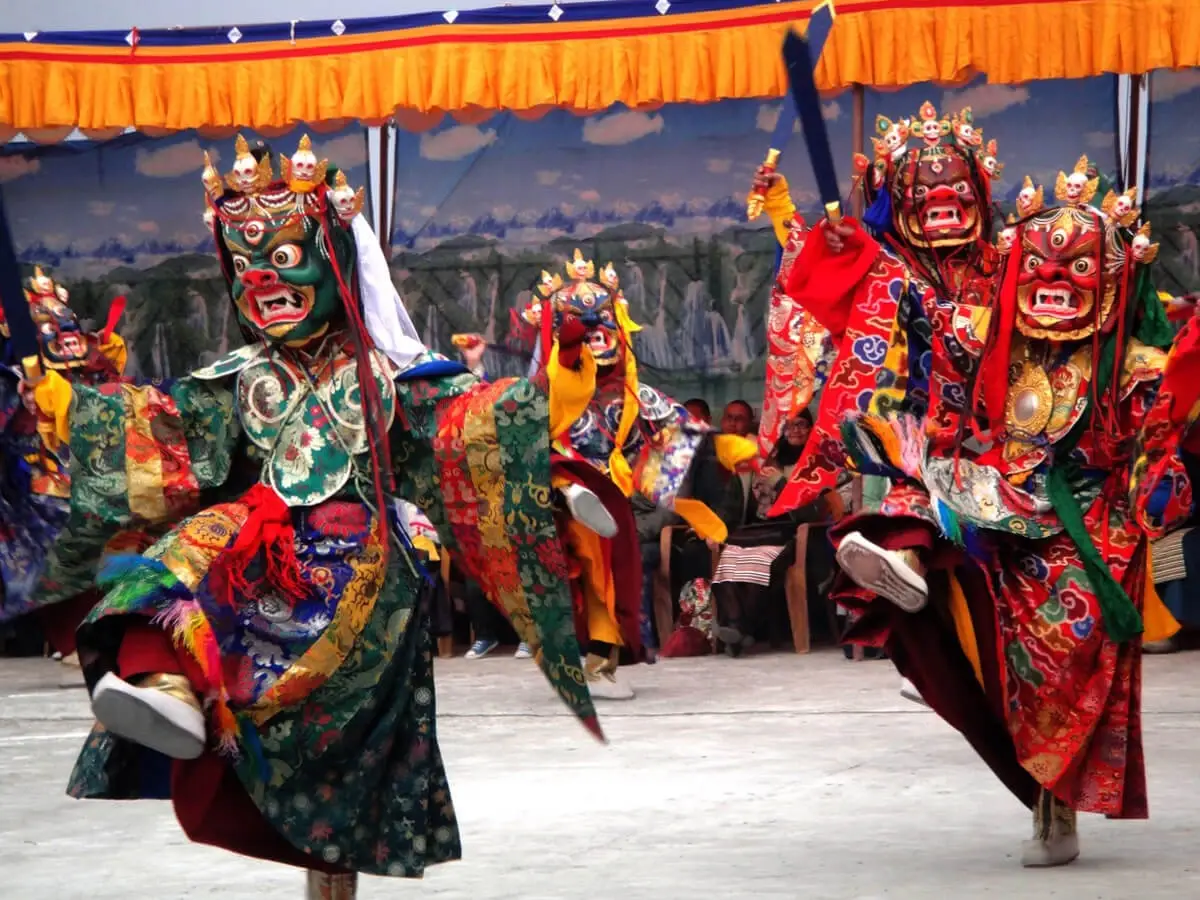
The highlight of the year is the Mani Rimdu Festival, celebrated in October or November. This vibrant 19-day event honors Guru Rinpoche Padmasambhava, the founder of Tibetan Buddhism.
The final three days are open to the public and feature masked dances, ritual ceremonies, spiritual chants, and dramatic symbolic performances. Indeed, witnessing Mani Rimdu at Tengboche is a once-in-a-lifetime cultural experience.
Additionally, other festivals like Dumje (July) and Losar (Tibetan New Year) showcase Sherpa traditions. Therefore, each season brings its own reason to visit this sacred Himalayan site.
Stay, Eat, and Experience Sherpa Life
Despite its remoteness, Tengboche offers cozy teahouses and lodges ranging from basic to mid-range. Most rooms are simple yet comfortable, while newer lodges provide private facilities. Moreover, hot showers, Wi-Fi, and electricity are available for a small extra cost.
Food options include dal bhat, momos, noodles, thukpa, and fresh bakery treats—including the famous Tengboche apple pie. Hence, spending a night here allows you to experience Sherpa hospitality, breathtaking sunsets, and peaceful mornings surrounded by mountains.
Best Time to Visit Tengboche
-
Spring (March–May): Clear skies, blooming forests, and ideal trekking conditions
-
Autumn (September–November): Best weather, crystal-clear views, and the Mani Rimdu Festival
-
Winter: Quiet trails and snow-covered scenery—cold but rewarding for experienced trekkers
-
Monsoon: Not recommended due to rain and slippery trails
Ultimately, autumn and spring remain the most popular and rewarding seasons.
Travel Tips for Visitors
-
Acclimatize well at Namche Bazaar to avoid altitude sickness.
-
Hire local guides and porters to enhance safety and support the community.
-
Dress modestly and remove shoes inside the monastery.
-
Ask permission before taking photos during prayers.
-
Attend morning or evening prayer sessions for a truly immersive experience.
Additionally, always carry travel insurance that covers high-altitude evacuation.
Why Tengboche Needs to Be on Your Everest Trek List
Ultimately, Tengboche is more than just a stop along the trail—it’s a place that touches the soul. Whether you visit for Himalayan views, spiritual energy, cultural encounters, or peaceful moments in nature, the village leaves a lasting impression on every traveler. Therefore, for anyone trekking in the Everest region, Tengboche Monastery is not optional—it’s essential.