


If there is one place on Earth that truly captures the imagination of travelers, adventurers, and dreamers alike, it is Sagarmatha National Park. Home to Mount Everest, the highest mountain in the world, this legendary park in eastern Nepal offers far more than just a famous summit. It is a land of dramatic landscapes, ancient glaciers, colorful prayer flags, rare wildlife, and the warm hospitality of the Sherpa people. For anyone seeking a once-in-a-lifetime Himalayan experience, Sagarmatha National Park is an unforgettable destination.
Sagarmatha National Park lies in the heart of the eastern Himalayas, about 140 kilometers east of Kathmandu, in Nepal’s Solukhumbu District. The name Sagarmatha comes from Nepali words meaning “Forehead of the Sky,” a poetic description that perfectly fits this awe-inspiring landscape. Internationally, Mount Everest is also known as Chomolungma, meaning “Goddess Mother of the World.”
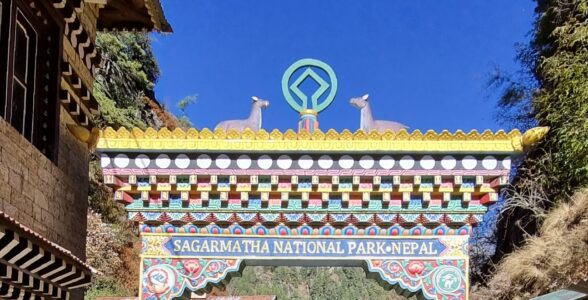
The park covers an area of 1,148 square kilometers (443 square miles) and stretches from lush river valleys at 2,845 meters to the icy summit of Mount Everest at 8,848 meters. It borders Makalu Barun National Park to the east, Gaurishankar Conservation Area to the west, and the Qomolangma National Nature Preserve in Tibet to the north.
A World Heritage of Natural Wonders
Sagarmatha National Park was officially established on 19 July 1976, following international recognition of the need to protect the fragile Everest ecosystem. Just three years later, in 1979, it was declared a UNESCO World Heritage Site, highlighting its outstanding natural beauty and cultural significance.
To ensure sustainable tourism and community development, a Buffer Zone of 275 square kilometers was added in 2002, encompassing Sherpa settlements and agricultural land. In 2007, the stunning Gokyo Lakes and surrounding wetlands gained global importance when they were listed as Ramsar Wetlands of International Importance.
Landscapes That Take Your Breath Away
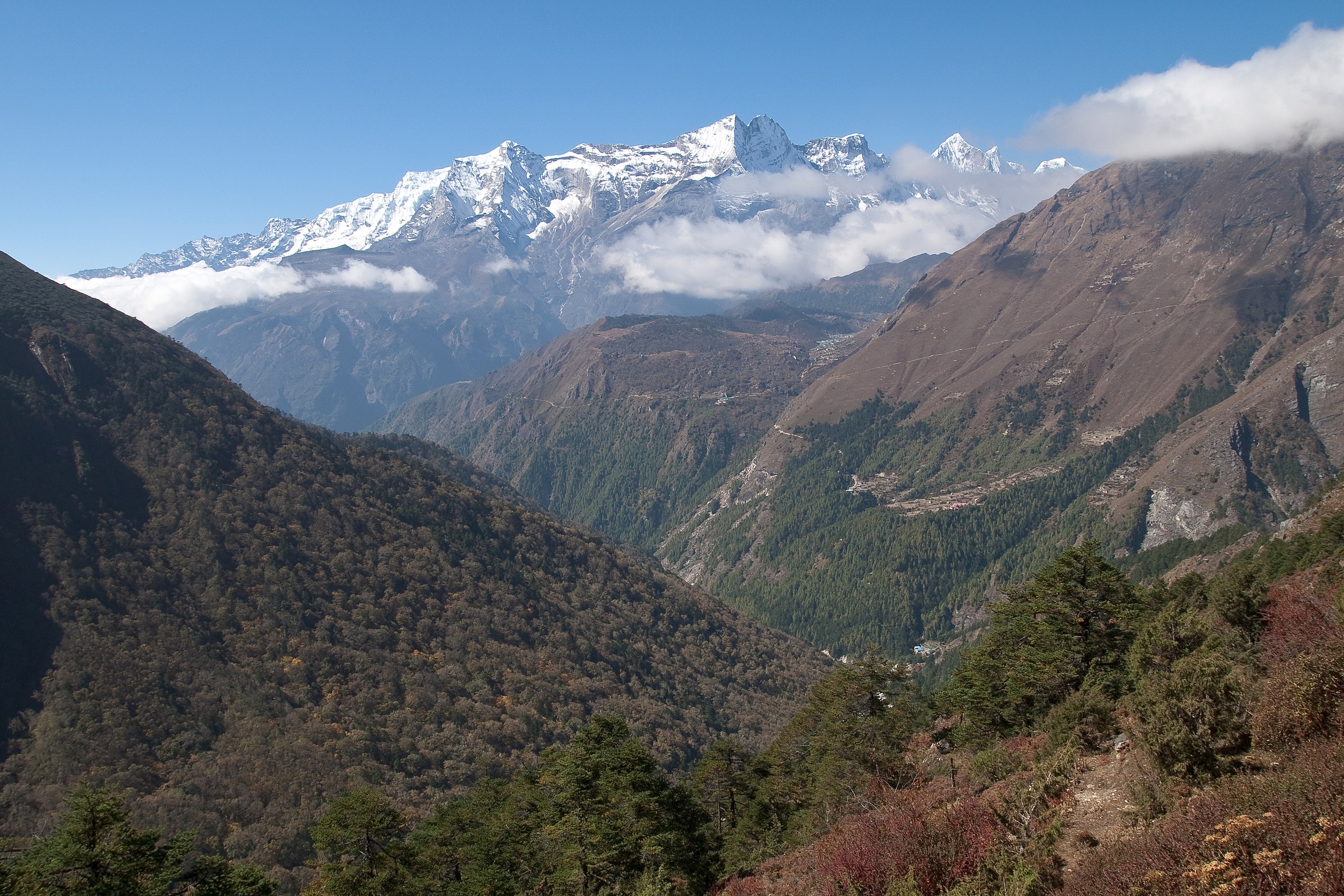
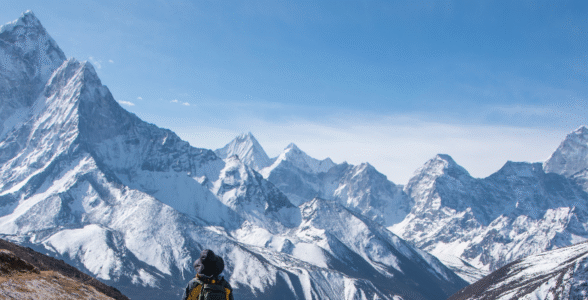
The scenery inside Sagarmatha National Park is nothing short of spectacular. Massive Himalayan peaks rise sharply above deep gorges, frozen waterfalls, and ancient glaciers. The park is surrounded by more than 25 peaks over 6,000 meters, including legendary giants such as Lhotse, Cho Oyu, Nuptse, Pumori, Amadablam, and Thamserku.
Several major glaciers carve through the landscape, including the famous Khumbu Glacier, which trekkers cross on the way to Everest Base Camp. The Ngozumpa Glacier, Nepal’s longest glacier at nearly 20 kilometers, feeds the breathtaking Gokyo Lakes—turquoise jewels set against a backdrop of snow-covered peaks.
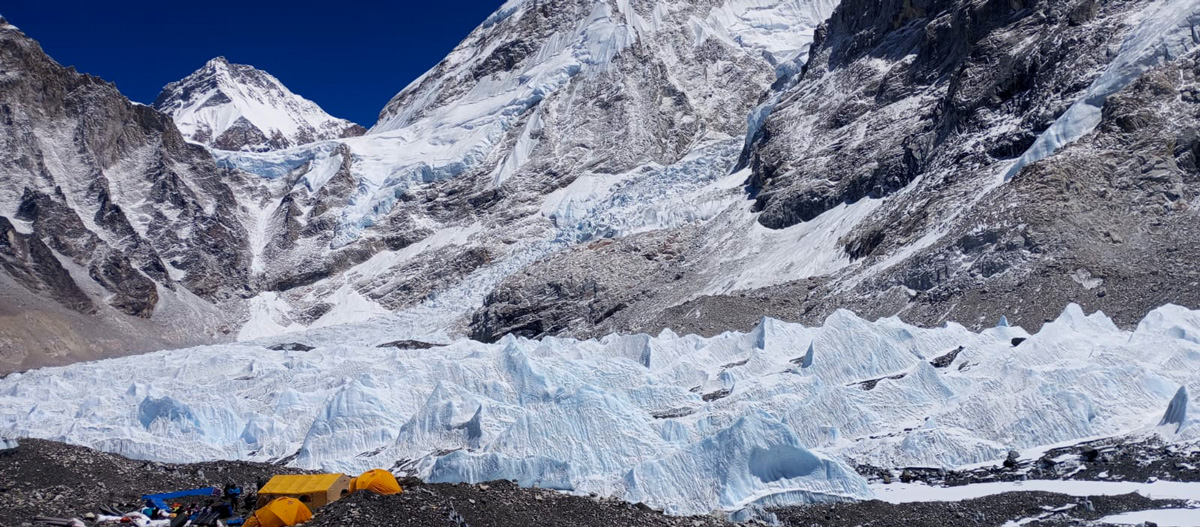
Rivers such as the Dudh Kosi, Bhote Kosi, and Imja Khola flow through steep valleys, shaping dramatic terrain before eventually joining the Ganges far downstream.
Climate, Forests, and High-Altitude Wilderness
Sagarmatha National Park spans multiple climatic zones, from temperate forests at lower elevations to arctic and nival zones near the summits. Due to extreme altitude, nearly 70% of the park is barren land, while about 28% is grazing land and only 3% is forested.
Yet those forested areas are rich in beauty. Trekkers will pass through forests of pine, fir, hemlock, juniper, birch, bamboo, and rhododendron, especially colorful during spring. Higher up, vegetation gives way to hardy mosses and lichens that survive in some of the harshest conditions on Earth.
Wildlife in the Shadow of Everest
Despite its rugged environment, Sagarmatha National Park is home to remarkable wildlife. It shelters rare and endangered species such as the snow leopard, red panda, and musk deer. Other animals include Himalayan tahr, black bears, wolves, and serow.

Bird lovers will also be delighted—over 200 species of birds have been recorded here, including the Himalayan monal, snowcock, alpine chough, and bearded vulture. The park is recognized as an Important Bird Area, making it a special destination for nature enthusiasts.

Sherpa Culture and Spiritual Heritage
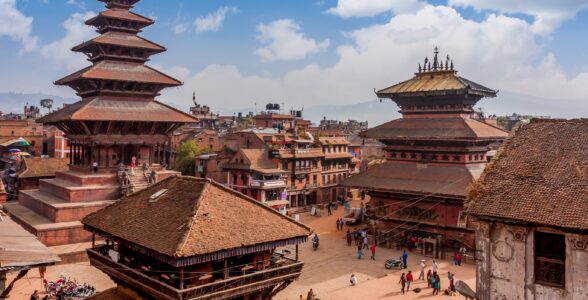
One of the most enriching aspects of visiting Sagarmatha National Park is experiencing the Sherpa culture. The Sherpas, who mainly practice Buddhism, have lived in harmony with these mountains for generations. Villages such as Namche Bazaar, the gateway to Everest, are cultural hubs filled with monasteries, prayer wheels, mani walls, and traditional stone houses.
The Dudh Kosi Valley is not just a trekking route—it is a living cultural landscape where religion, economy, and nature are deeply interconnected.
Things to Do in Sagarmatha National Park
Trekking and Hiking
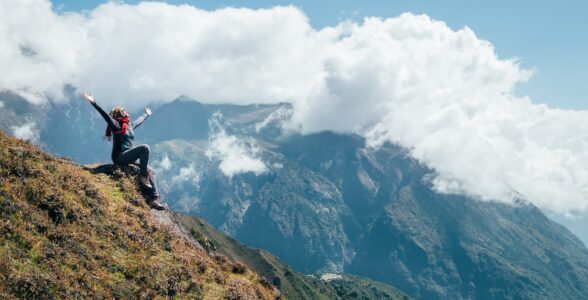
Sagarmatha is a trekker’s paradise. The world-famous Everest Base Camp Trek typically takes 12 to 14 days, allowing time for acclimatization and exploration. Other popular routes include treks to Gokyo Lakes, Kala Patthar, and the Three Passes Trek for experienced hikers.
Mountaineering
While only a small number attempt to summit Everest each year, the park also offers challenging climbs on surrounding peaks for seasoned mountaineers.
Photography and Nature Exploration
From golden sunrises over snow-covered peaks to prayer flags fluttering in mountain winds, Sagarmatha offers endless photo opportunities.
Why Visit Sagarmatha National Park?
Sagarmatha National Park is not just about Mount Everest—it is about standing in a place where nature feels raw, powerful, and deeply spiritual. It is about walking ancient trails, meeting resilient mountain communities, and witnessing landscapes found nowhere else on Earth.
For adventure seekers, nature lovers, and cultural explorers, a journey to Sagarmatha National Park is more than a trip—it is a life-changing experience at the very top of the world.