Nyalam, Tibet: The Gateway to Kailash and the Route Pilgrims Are Turning Back To

Activities Highlights
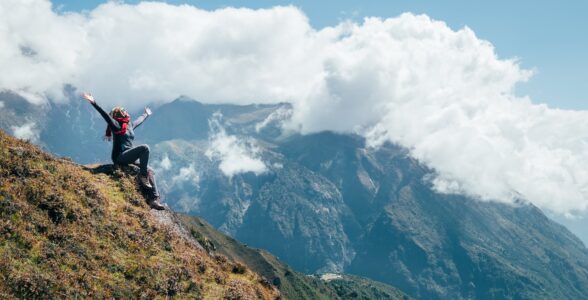
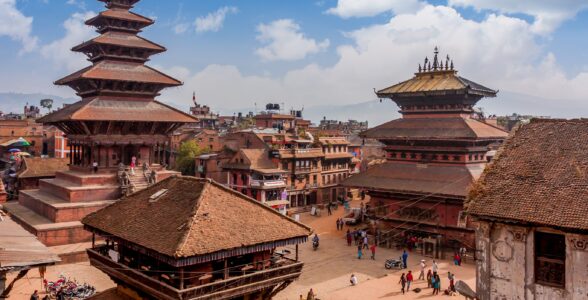
Every Kailash journey has a first real step onto the Tibetan plateau. For decades, that step was Nyalam.
After the August 2026 flash flood shut the Rasuwagadhi–Kerung crossing, Nepal’s other major border crossing with China came back into focus. That is the Tatopani–Kodari crossing, opposite Zhangmu. Planners, operators and pilgrims are all asking the same question: what does the Nyalam route look like, and can it carry the Kailash yatra again?
This guide covers what Nyalam is, how the Zhangmu–Kodari route works, and what to confirm before you commit.
What is Nyalam?
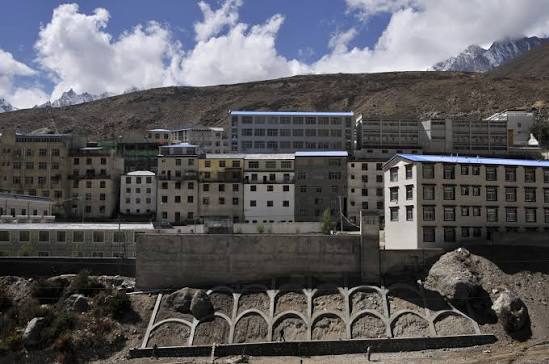
Nyalam is a county town on Tibet’s southern edge, on the old Friendship Highway (G318). It sits at about 3,750 m, in a green, misty valley that feels more Himalayan than Tibetan plateau. Zhangmu, the border town below it, sits at about 2,300 m. Past Nyalam the landscape opens into the dry, wide-skied plateau most people picture when they think of Tibet.
That transition is why Nyalam matters. It is the first place you can stop, breathe and adjust before the high country begins.
The Nyalam route to Kailash
The classic overland sequence is simple:
Kathmandu → Kodari (Tatopani) → Friendship Bridge → Zhangmu (Khasa) → Nyalam → Saga → Paryang → Lake Mansarovar → Darchen
- Kathmandu to Kodari: Roughly 115 km along the Araniko Highway, following the Bhote Koshi gorge. Plan a long day, since landslides and road work are common.
- Crossing the Zhangmu–Kodari border: You clear Nepali immigration, walk across the Friendship Bridge, and complete Chinese customs and health checks. Your Tibetan guide and vehicle meet you on the Chinese side.
- Zhangmu to Nyalam: A steep climb of about 1,450 m over a short distance, through waterfalls, cliffs and cloud forest.
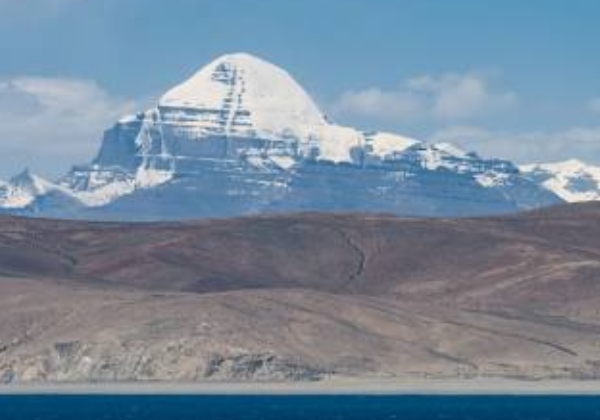
- Nyalam to Saga and onward: The road drops you onto the plateau. Then come the long drives past the Yarlung Tsangpo, Paryang and the first view of Mount Kailash.
Most itineraries run 10–14 days, depending on acclimatization days and how many Kailash kora days you plan.
Why Nyalam is the key acclimatization stop
You gain altitude fast on this route. You go from around 1,400 m in Kathmandu to 3,750 m at Nyalam in a couple of days, then climb past 4,500 m on the way to Mansarovar. Nyalam is where most operators schedule a rest day, and for good reason.
- Sleep altitude matters more than daytime altitude. Nyalam gives you a manageable first night above 3,500 m.
- Take short walks, not big hikes. Light movement helps. Hard exertion doesn’t.
- Hydrate, avoid alcohol, and tell your guide about headaches early. Mild symptoms are common. Worsening symptoms are a reason to stop climbing, not push on.
- Consider talking to your doctor about altitude medication before you travel.
Skipping this day is one of the most common mistakes pilgrims make, and the Dolma La pass at 5,600 m or so is not the place to find out you under-acclimatized.
What to see around Nyalam
Nyalam is a stopover, but a worthwhile one:
- Pelgyeling Monastery and the Milarepa meditation caves. The area is tied to the legend of the poet-saint Milarepa and draws Tibetan Buddhist pilgrims in its own right.
- Old Zhangmu (Khasa). A town built into a near-vertical hillside, rebuilt and still developing.
- Valley walks. Waterfalls and forested slopes that are a sharp contrast to what lies ahead.
Where the route stands right now
This is the part to read carefully before booking.
- Rasuwagadhi–Kerung was shut by the 26 August 2026 flood, which destroyed the Timure customs area, the Miteri bridge and the border road.
- Tatopani–Kodari then became the obvious alternative. But China had fully closed the Tatopani crossing from August 31 until further notice.
- On 18 October the crossing reopened for three days, for cargo vehicles only.
- As of 26 October, the crossing had remained shut to cargo traffic since the three-day window ended, and Chinese authorities had yet to decide whether to resume regular operations given the geographical risks in the border region.
What this means for you: Nyalam is the natural gateway for the overland Kailash route, and Nepali and Chinese officials are clearly working toward making it usable again. But as of early November 2026, passenger and pilgrim crossings are not guaranteed, and the status can change quickly. Always confirm directly with your operator before paying a deposit.
Permits and paperwork
Kodari-route travelers generally need the same documents as other overland Tibet journeys:
- A Chinese group visa (individual visas are not issued for Tibet).
- A Tibet Travel Permit.
- An Alien’s Travel Permit for the Kailash region.
- Passports valid well beyond your travel dates, plus several photocopies of everything.
Permits are arranged through a licensed operator. Border openings, group size rules and timing can all affect when permits are issued, so ask for it in writing.
Best time to travel
The usual Kailash season is May to September, with the clearest skies in late spring and early autumn. The Zhangmu–Nyalam road is steep and exposed to monsoon rain and landslides, so the shoulder months are often more reliable than peak summer.
Practical tips for the Nyalam route
- Build in buffer days. The Bhote Koshi corridor is landslide-prone, and delays are normal.
- Ask about a fallback. A good operator will have a plan if the border isn’t available, such as flying to Lhasa and overlanding from there.
- Check your insurance. Make sure it covers emergency evacuation at altitude and trip disruption.
- Pack in layers. Nyalam is damp and cool even when Kathmandu is warm.
- Carry cash and small items. Facilities thin out quickly past Nyalam.
FAQs
Is Nyalam the gateway to Kailash?
Yes, on the traditional overland route via the Zhangmu–Kodari border, Nyalam is the first major stop inside Tibet and the standard acclimatization point.
How high is Nyalam?
About 3,750 m. Zhangmu, the border town below it, is about 2,300 m.
How far is Nyalam from the border?
Roughly 30–35 km from Zhangmu, but it is a steep climb, so the drive takes hours.
Is the Zhangmu–Kodari border open for pilgrims?
Check with your operator for the latest. Recent reopenings have been short and cargo-only, and no regular passenger operation had been confirmed at the time of writing.
How many days do I need?
Plan 10–14 days for the overland yatra, including at least one acclimatization day at Nyalam.