Mount Nuptse: A Complete Guide to the West Peak of Everest

Activities Highlights
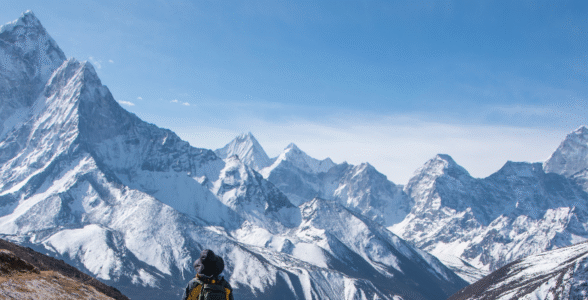
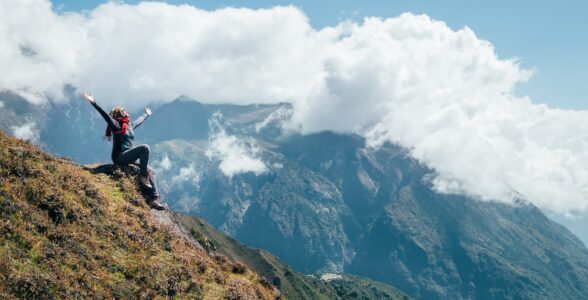
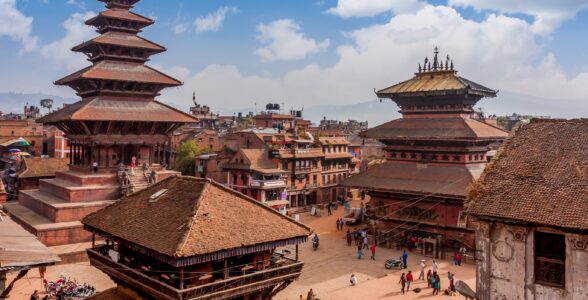
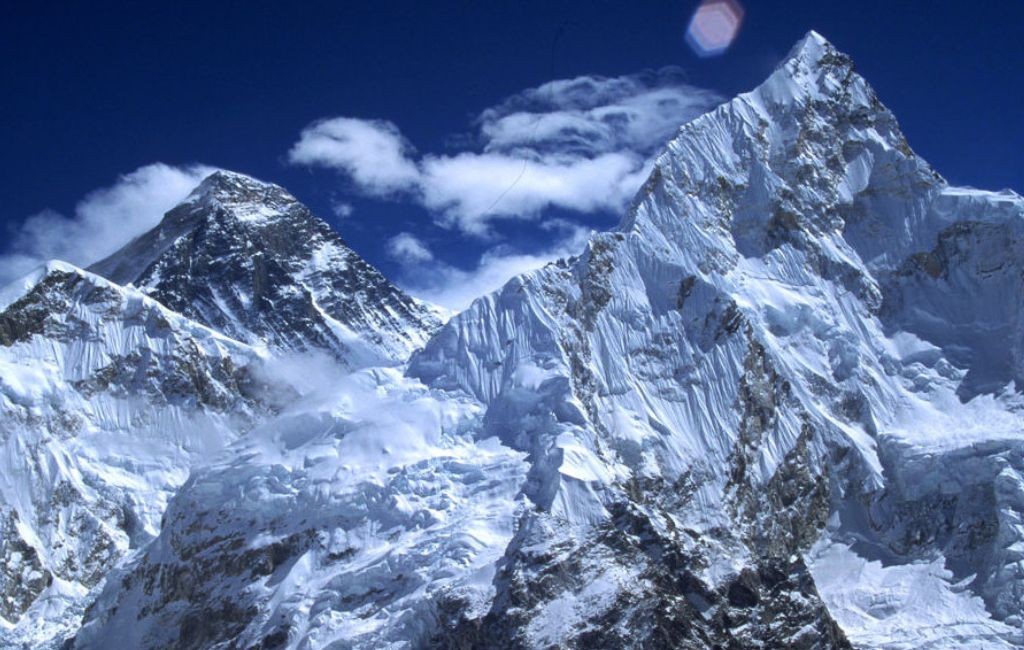
Mount Nuptse is one of the most striking yet often overlooked giants of the Himalayas. Rising dramatically beside Mount Everest, Nuptse is a technically demanding mountain that captivates climbers and trekkers alike with its sheer faces, icy ridges, and commanding presence over the Khumbu region.
Although it does not rank among the world’s highest mountains due to its low topographic prominence, Mount Nuptse remains one of the most challenging and visually impressive peaks in Nepal.
Cultural Significance of Mount Nuptse
Mount Nuptse holds spiritual importance for the Sherpa people of the Khumbu region, who follow Tibetan Buddhism. The landscape is dotted with monasteries, stupas, mani walls, and prayer flags, reflecting deep-rooted spiritual beliefs.
Animal killing is traditionally forbidden, so most meat consumed in the region is imported. Visitors are often advised to stick to vegetarian meals such as dal bhat, tarkari, momo, and thukpa.
The Tengboche Monastery, the largest in the region, hosts the famous Mani Rimdu Festival each autumn.
Geography and Location of Mount Nuptse
Mount Nuptse lies approximately 2 kilometers southwest of Mount Everest in the Khumbu region of Nepal. It forms the western segment of the Lhotse–Nuptse massif and creates the southern boundary of the Western Cwm, a vast glacial valley that leads toward Everest’s South Col route.
When viewed from the south or west, Nuptse dominates the skyline above Everest Base Camp. Despite its imposing appearance, Nuptse has a topographic prominence of only 319 meters, which is why it is not listed among the world’s highest independent peaks.
History and First Ascent of Mount Nuptse
While Mount Everest was first summited in 1953 by Sir Edmund Hillary and Tenzing Norgay Sherpa, Mount Nuptse remained unclimbed for several more years.
The first successful ascent of Nuptse took place on May 16, 1961, when Dennis Davis and Sherpa Tashi reached the summit via the North Ridge as part of a British expedition led by Joe Walmsley. Sherpa Tashi was the first to stand on the summit, with Davis following shortly after.
The following day, additional members of the expedition—including Chris Bonington—also reached the peak. The Southeast Ridge, one of the most technical sections of the mountain, was not climbed until 2003, when Russian climbers Babanov and Koshelenko completed the ascent.
How to Reach Mount Nuptse
Accessing Mount Nuptse begins with the classic Everest Base Camp trekking route.
-
Trekkers usually fly to Lukla from Kathmandu or Manthali, depending on the season.
-
During peak trekking months (March–May and September–November), flights often operate from Manthali.
-
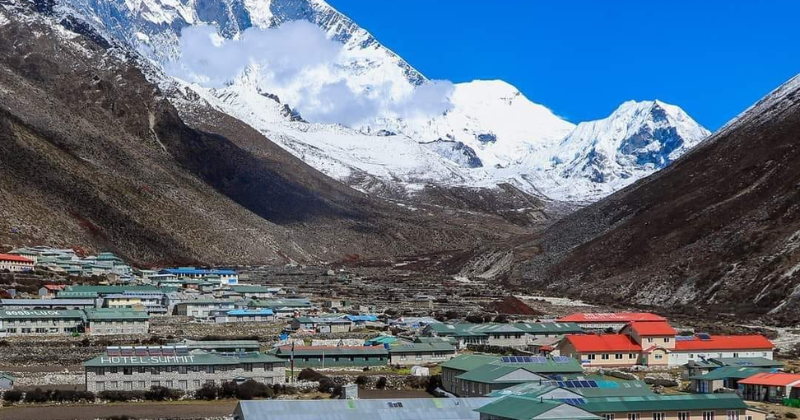
From Lukla, the trek continues through Namche Bazaar, Tengboche, Dingboche, Lobuche, and Gorak Shep before reaching Everest Base Camp.
Mount Nuptse is clearly visible from Everest Base Camp and even more spectacular from Kala Patthar, a popular viewpoint visited early in the morning after reaching EBC.
Climbing Mount Nuptse
Climbing Mount Nuptse is considered more technical than climbing Mount Everest, despite being lower in height. It is best suited for experienced mountaineers looking to summit a peak under 8,000 meters.
Climbers must have:
-
Strong high-altitude endurance
-
Advanced technical climbing skills
-
Experience with ice, rock, and mixed terrain
-
Proper acclimatization
Although some climbers summit without supplemental oxygen, carrying oxygen is strongly recommended for safety.
Major Routes to the Summit
Khumbu Glacier Route
The most commonly used route begins from Everest Base Camp, crossing the dangerous Khumbu Icefall. Climbers must navigate crevasses, seracs, and constantly shifting ice formations using ropes and ladders.
Lobuche Route
This route starts near Lobuche Base Camp and offers a shorter approach with decent acclimatization opportunities. While shorter, it remains highly technical and demanding.
Lhotse Face Route
The Lhotse Face Route is extremely technical and often attempted alongside a Lhotse expedition. It involves steep, icy slopes and prolonged exposure to high-altitude conditions.
Major Climbing Challenges on Mount Nuptse
At nearly 8,000 meters, climbers on Nuptse face extreme altitude, where severe oxygen deprivation makes proper acclimatization essential for survival and performance. The mountain is also known for its unpredictable weather, with sudden storms, powerful winds, and freezing temperatures that can change rapidly even during peak climbing seasons. The technical nature of the terrain adds to the challenge, as climbers must navigate steep ice walls, exposed rock sections, and narrow ridges using crampons, ice axes, harnesses, and fixed ropes. One of the most dangerous obstacles is the Khumbu Icefall, a constantly shifting maze of deep crevasses and towering seracs that demands speed, precision, and experience. Beyond the physical challenges, climbing Nuptse places immense physical and mental demands on climbers, requiring exceptional fitness, mental resilience, careful attention to nutrition and hydration, and adequate rest throughout the expedition.
Climate on Mount Nuptse
The climate around Mount Nuptse is harsh and highly variable. Weather conditions worsen with altitude, and sudden changes are common.
-
Spring (March–May): Stable weather, warmer temperatures, best visibility
-
Autumn (September–November): Clear skies, cooler temperatures, minimal precipitation
-
Winter & Monsoon: Heavy snowfall, high winds, poor visibility, not recommended