
Mani Rimdu Festival: A Sacred Himalayan Celebration in the Everest Region
Activities Highlights
The Mani Rimdu Festival is one of the most important and spiritually rich Buddhist festivals celebrated in Nepal’s Everest (Khumbu) region. Spanning 19 days, this sacred event commemorates the founding of Buddhism by Guru Rinpoche Padmasambhava, the revered saint who introduced Vajrayana Buddhism to Tibet and the Himalayas. Beyond Everest’s fame for adventure and trekking, Mani Rimdu highlights the region’s deep-rooted spiritual traditions and vibrant Sherpa culture.
Celebrated according to the Tibetan lunar calendar, Mani Rimdu usually falls between late October and mid-November, with the final three days open to the public. These days attract monks, locals, pilgrims, and international visitors who gather to witness sacred masked dances, rituals, and ceremonies set against the dramatic backdrop of the world’s highest mountains.
Overview of the Mani Rimdu Festival
Mani Rimdu is observed with immense enthusiasm by Buddhists across the Khumbu region, particularly by the Sherpa community who follow the Nyingma sect of Tibetan Buddhism. The festival is primarily celebrated at Tengboche Monastery (3,870 m)—the largest monastery in the Everest region—but is also observed at Thame and Chiwong monasteries.
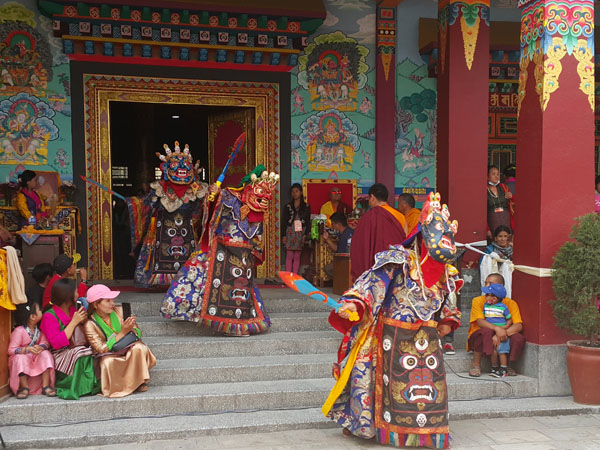
During the festival, monks perform Tantric rituals, prayers, and masked dances (Chham) that symbolize the triumph of compassion and wisdom over ignorance and evil. Hundreds of people from across the Solukhumbu district gather at Tengboche Monastery to witness these sacred performances, making it the most popular venue for Mani Rimdu celebrations.
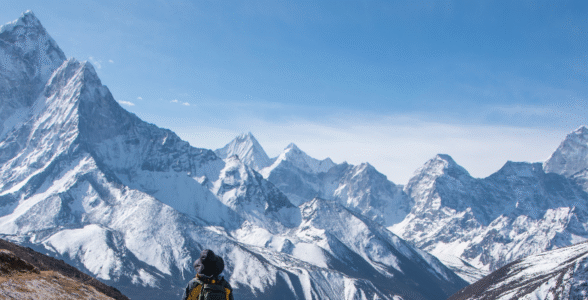
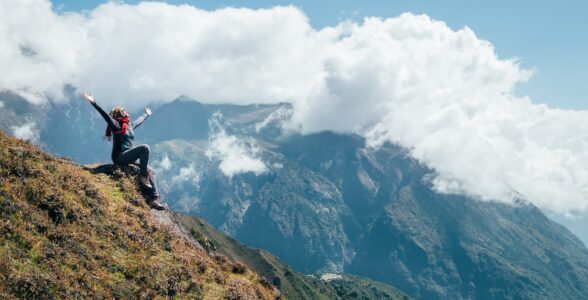
Adding to the experience is the stunning Himalayan panorama, including Mount Everest (8,848 m), Nuptse (7,861 m), Lhotse (8,516 m), Ama Dablam (6,812 m), Thamserku (6,420 m), and Kongde Himal (6,200 m). For travelers seeking both spiritual depth and natural grandeur, Mani Rimdu offers a truly once-in-a-lifetime experience.
Spiritual Preparations and Rituals
Several days before the public celebrations begin, monks start constructing intricate sand mandalas inside the monastery. These mandalas represent the palace of Garwang Thoze Chenpo (Lord of the Dance) and embody Buddhist teachings of impermanence and compassion. Throughout this process, monks chant mantras and visualize blessings spreading to all beings.
The opening ceremony, known as Wong, marks the first public day of the festival. Hundreds of attendees receive blessings from the head lama and are given Mani Rilwu (blessed pills) and Tshereel (pills for long life). This ceremony symbolizes spiritual purification and renewal.
Sacred Dances and Ceremonies
Following Wong, a series of powerful rituals and performances unfold:
-
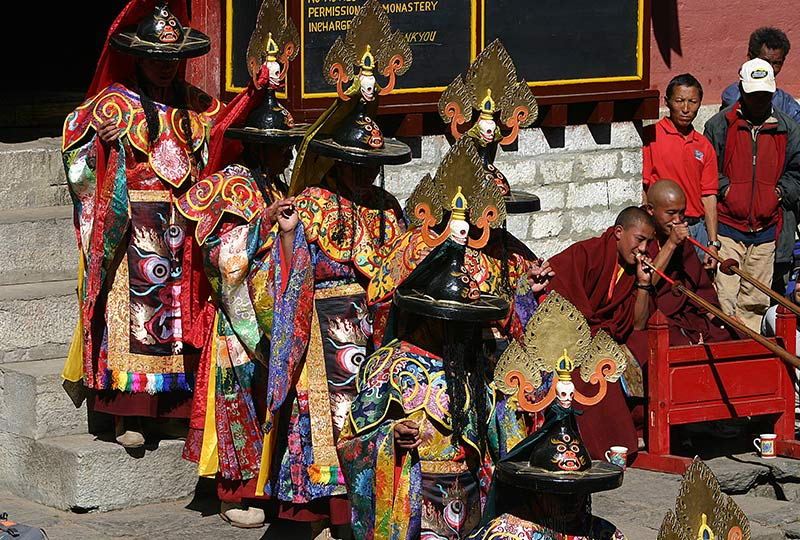
Chham (Masked Dances): Monks wear elaborate masks representing deities, demons, animals, and protectors. These dances convey Buddhist teachings about overcoming inner negativity such as anger, greed, and ignorance.
-
Ser-Kyem (Golden Beverage Offering): A ritual offering of tea or alcohol to Dharma protectors, monks, and deities, symbolizing harmony and spiritual unity.
-
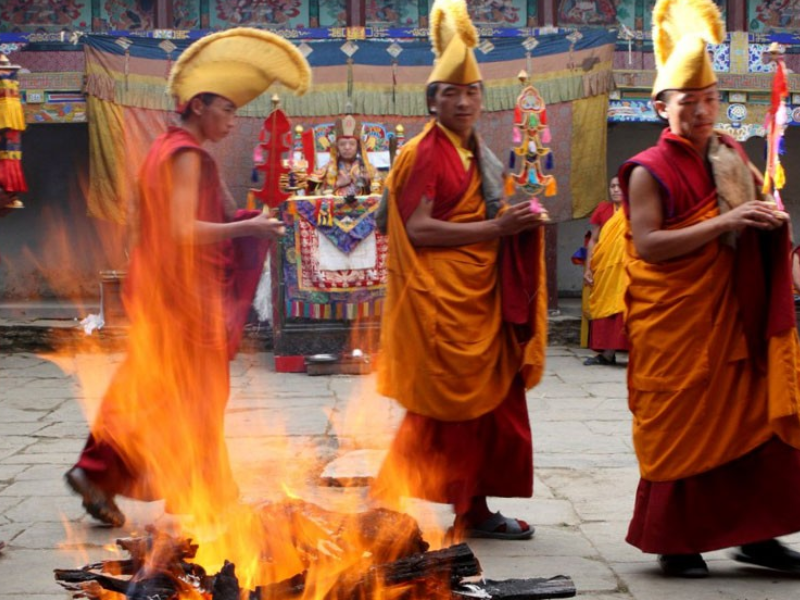
Jinsak (Fire Puja): A sacred fire ceremony dedicated to Agni, the god of fire, aimed at removing obstacles, promoting peace, and ensuring prosperity.
-
Chhingpa Dance: A dramatic masked performance depicting the four Dharma guardians defending Buddhism from demonic forces.
As the festival nears its conclusion, the sand mandala is dismantled and offered to the Nagas (serpent gods), symbolizing the impermanence of life and the spreading of blessings for long life, happiness, and prosperity.
Tengboche Monastery: Heart of Mani Rimdu
Tengboche Monastery, also known as Thyangboche Monastery or Dawa Choling Gompa, is the spiritual heart of the Khumbu region. Established in 1916 and linked to the Rongbuk Monastery in Tibet, it lies within Sagarmatha National Park, a UNESCO World Heritage Site.
Situated on the classic Everest Base Camp trekking route, Tengboche is surrounded by pine forests, rhododendrons, and azaleas, with Ama Dablam forming a breathtaking backdrop. Its large courtyard serves as the main stage for Mani Rimdu’s masked dances and rituals.
Mani Rimdu Festival Dates
Mani Rimdu Festival 2024
-
Public Festival Dates: 15th, 16th, and 17th November 2024
Mani Rimdu Festival 2025
-
Public Festival Dates: 5th, 6th, and 7th November 2025
Dates vary each year depending on the Tibetan lunar calendar and are officially announced by the head lama of Tengboche Monastery.
How to Reach Tengboche Monastery
The journey begins with a scenic flight from Kathmandu (or Manthali during peak seasons) to Lukla (2,860 m). From Lukla, trekkers follow the classic route:
Lukla → Phakding → Namche Bazaar (acclimatization) → Khumjung → Tengboche
Namche Bazaar (3,440 m) is a key acclimatization stop, while Tengboche often serves as a resting point for trekkers heading toward Everest Base Camp.
Why Is Mani Rimdu Festival Celebrated?
Mani Rimdu celebrates the victory of Buddhism over the Bon religion and honors the teachings of Guru Rinpoche. It plays a vital role in preserving Sherpa culture, spiritual values, and traditions, serving as a powerful reminder of compassion, wisdom, and harmony.
Conclusion
The Mani Rimdu Festival at Tengboche Monastery is one of the most profound cultural and spiritual experiences in the Everest region. Combining sacred rituals, ancient traditions, and awe-inspiring Himalayan scenery, it offers travelers a rare opportunity to witness Buddhism practiced at the roof of the world.
Blending Everest trekking with the Mani Rimdu Festival creates the perfect harmony of adventure and spirituality—an unforgettable journey through Nepal’s heart and soul.