Dingboche Village: The Heart of Acclimatization on the Everest Base Camp Trek

Activities Highlights
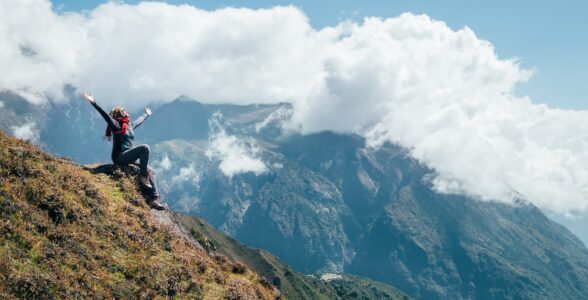
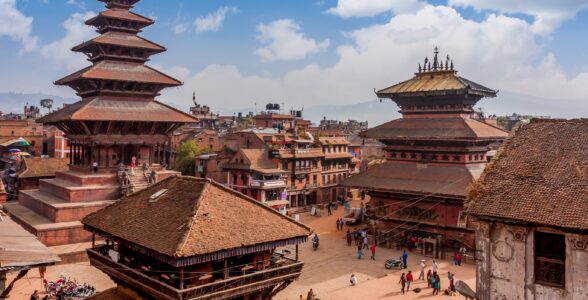
Dingboche is one of the most important and memorable villages on the Everest Base Camp (EBC) trekking route. Nestled high in the Khumbu region of Nepal, this serene Himalayan settlement is far more than just a stopover—it is a vital acclimatization hub, a cultural heartland of the Sherpa people, and a gateway to some of the most breathtaking mountain views in the world.
At an altitude of 4,410 meters (14,470 feet), Dingboche provides trekkers with the ideal environment to rest, adapt to altitude, and explore the dramatic landscapes of the Everest region.
Geographical Overview of Dingboche
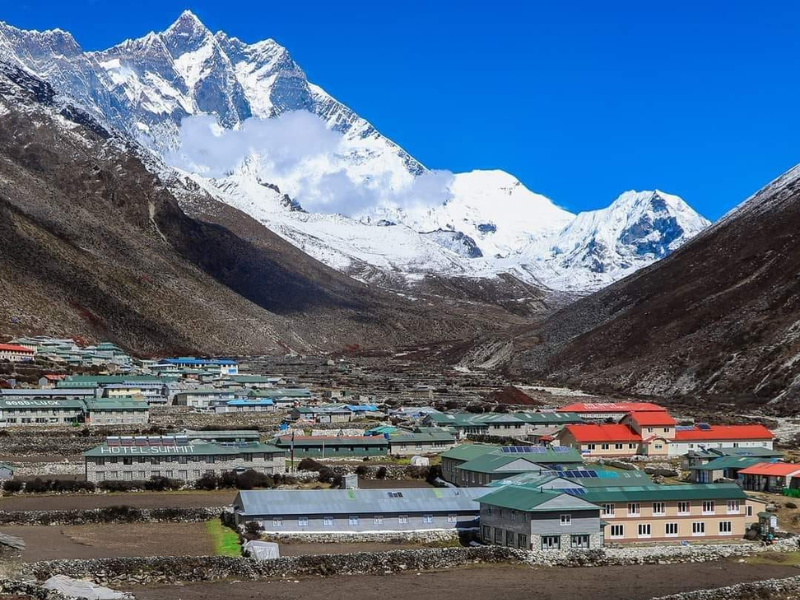
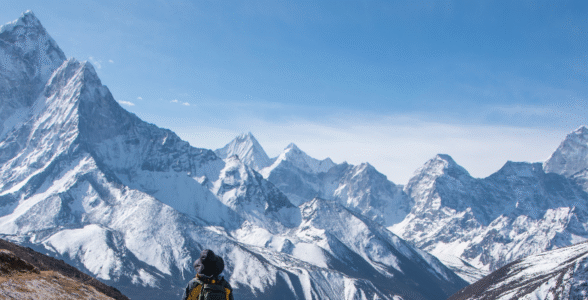
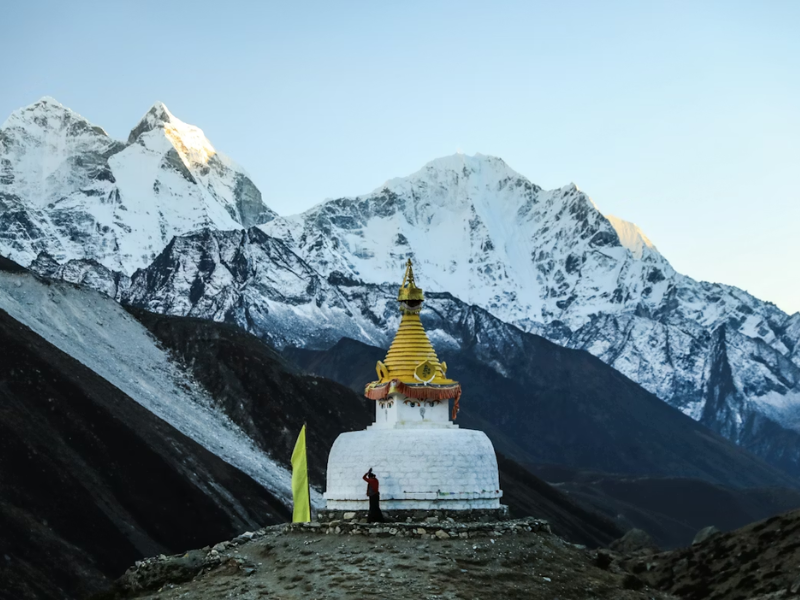
Dingboche is located in the Imja Valley of the Khumbu region, with the soothing sound of the Imja River flowing nearby. The village is surrounded by towering Himalayan giants, including:
Ama Dablam, Lhotse, Nuptse, Makalu, Island Peak (Imja Tse), Thamserku, and Kangtega
Open valleys, stone-walled fields, and expansive alpine terrain characterize the landscape around Dingboche. Unlike other settlements, Dingboche feels wide and open, offering uninterrupted panoramic views of snow-covered peaks.
Despite the harsh climate and fluctuating weather conditions, Dingboche is one of the most fertile valleys in the Khumbu. Locals grow potatoes and barley, and yak herding remains a major livelihood, providing milk, butter, and cheese—staples of the Sherpa diet.
History and Cultural Significance
Dingboche is one of the major Sherpa settlements in the Everest region and is often regarded as the last permanent Sherpa village in the upper Khumbu.
Historically, Dingboche holds special importance in Himalayan mountaineering. Sir Edmund Hillary and Tenzing Norgay Sherpa passed through this village during their historic Everest expedition in 1953.
Culturally, Dingboche reflects the deep-rooted Buddhist traditions of the Sherpa people. The village is adorned with mani walls, prayer wheels, colorful prayer flags, and small gompas (monasteries)
Life in Dingboche revolves around community values, spirituality, agriculture, and a strong tradition of hospitality. The traditional stone houses and warm local interactions offer trekkers an authentic glimpse into Sherpa life.
How to Reach Dingboche
Dingboche is typically reached as part of a larger Everest-region trekking itinerary, such as the Everest Base Camp Trek, Island Peak Climbing, Everest Three Passes Trek
Typical Route:
-
Fly from Kathmandu to Lukla
-
Trek through Phakding
-
Reach Namche Bazaar
-
Continue to Tengboche
-
Arrive at Dingboche (4–5 trekking days)
There is no road access to Dingboche—transportation relies entirely on porters and yaks.
A Crucial Acclimatization Stop
Dingboche plays a vital role in helping trekkers adjust to high altitude. At 4,410 meters, it is an ideal location for acclimatization during the Everest Base Camp Trek and other high-altitude routes.
As altitude increases, the reduced oxygen level can strain the body, potentially leading to altitude sickness, with symptoms such as headaches, nausea, dizziness, and fatigue. If ignored, this can escalate into serious conditions like HAPE or HACE.
Spending one or two nights in Dingboche allows the body to adapt more effectively. During acclimatization days, trekkers can:
-
Explore the village and rest at teahouses
-
Hike to Nangkartshang Peak
-
Take a relaxed walk toward Chukhung Valley
These activities help the body adjust while keeping trekkers active.
Accommodation and Facilities in Dingboche
As a popular acclimatization stop, Dingboche offers several teahouses that provide basic yet comfortable lodging. Rooms are typically shared, as are bathrooms, but the warm hospitality more than makes up for the simplicity.
Meals are served in communal dining areas and often include Dal Bhat, noodles, Sherpa stew, butter tea, yak cheese, and other carbohydrate-rich dishes essential for high-altitude trekking.
Some teahouses may offer Wi-Fi and laundry services, though internet connectivity is often unreliable. This makes Dingboche an excellent place to unplug and fully immerse yourself in the Himalayan environment.
Best Time to Visit Dingboche
The ideal times to visit Dingboche are spring (March–May) and autumn (September–November)—the same seasons best suited for the Everest Base Camp Trek.
These months provide clear skies, stable weather, comfortable temperatures, and excellent visibility. Trails are safer compared to the monsoon season, and conditions are far less extreme than in winter.
However, these peak seasons also bring larger crowds, so expect a lively atmosphere in the village.
The Role of Dingboche in the Everest Base Camp Trek
Dingboche is more than just a scenic stop—it is a cornerstone of a successful Everest Base Camp Trek. It allows trekkers to rest, recover, and acclimatize, significantly reducing the risk of altitude-related illnesses.
Additionally, Dingboche serves as an important junction, giving trekkers the option to continue toward Lobuche or detour to Chukhung, making it a strategic hub for exploration.
Why Dingboche Is a Must-Visit Destination
Dingboche is an essential stop for anyone trekking in the Everest region. It seamlessly combines dramatic mountain scenery, deep-rooted Sherpa culture, and unforgettable adventure opportunities.
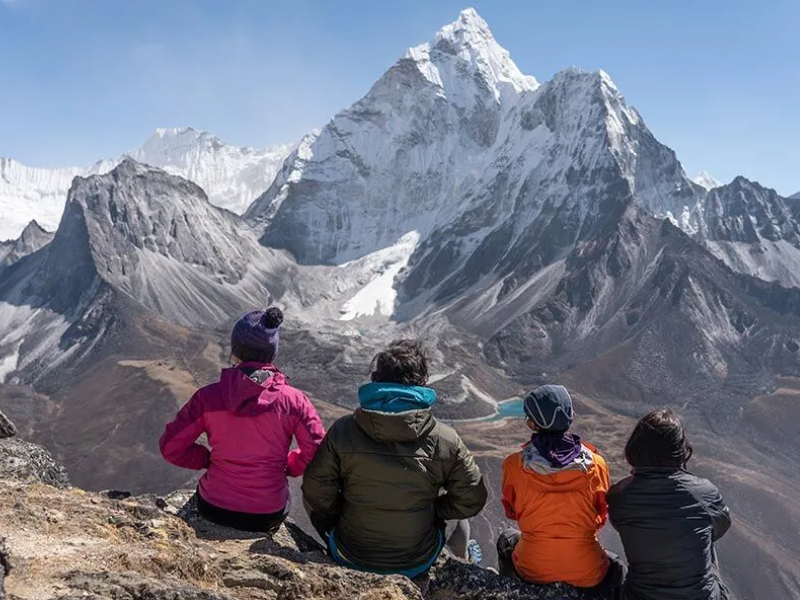
From awe-inspiring views of Ama Dablam to rewarding acclimatization hikes, Dingboche offers something for every traveler. Its warm hospitality, spiritual ambiance, and natural beauty leave lasting impressions on all who pass through.
A visit to Dingboche is not just a pause along the trail—it is a highlight of the Himalayan journey, filled with moments that will stay with you long after the trek ends.