Celebrating Women’s Day: The Divine Feminine Peaks of the Himalayas

Activities Highlights

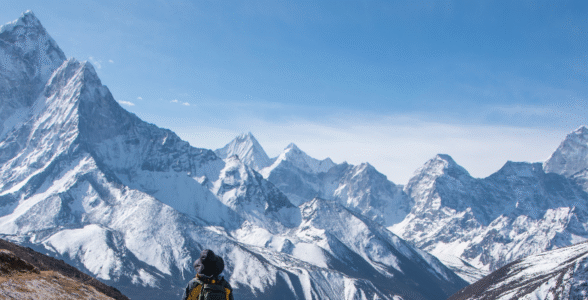
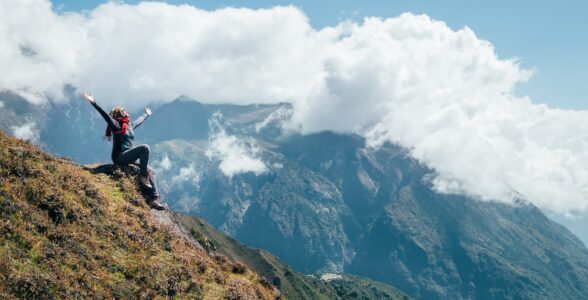
Happy International Women’s Day! Today, we celebrate the incredible women who shape our world—their unyielding strength, quiet grace, and boundless ability to nurture. Here at Mission Nepal Holidays, we believe there is no better way to reflect on the power of the feminine spirit than by looking up at the Himalayas.
Did you know that some of Nepal’s most iconic and breathtaking mountains are named after women and goddesses? These peaks are not just giant structures of rock and ice; they are revered as providers, mothers, and daughters in local culture. Let’s take a journey to the “female” mountains of the Himalayas.
The Goddesses of the Himalayas
-
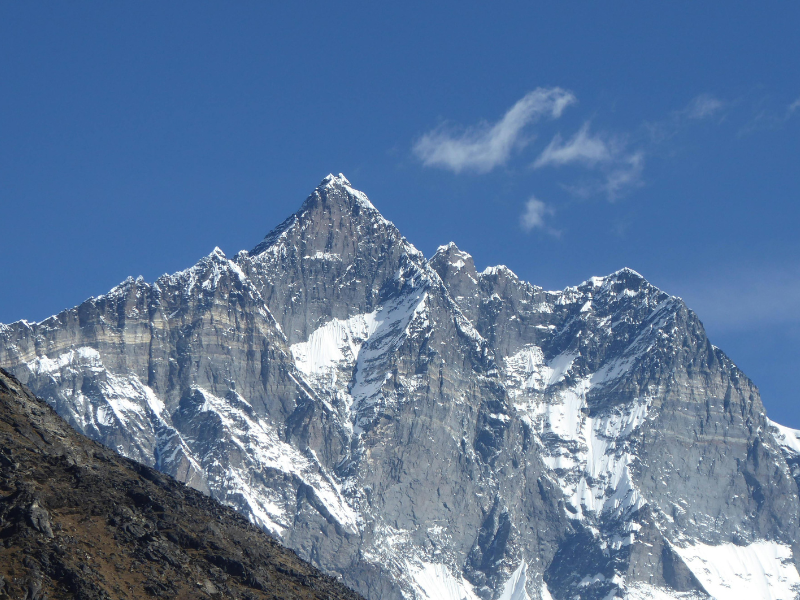
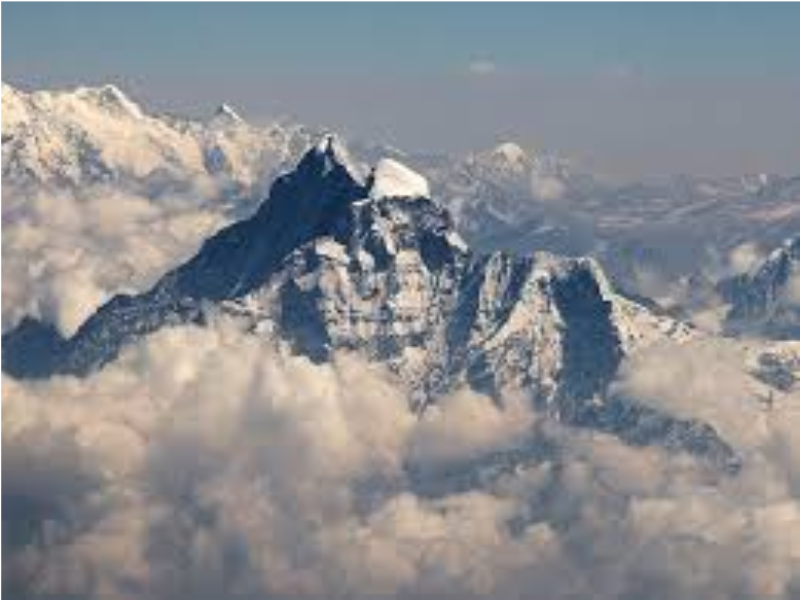
Chomolungma / Sagarmatha (Mount Everest): The highest peak on Earth needs no introduction, but its Tibetan name, Chomolungma, translates beautifully to “Mother Goddess of the World.” In Nepal, it is Sagarmatha, meaning “Goddess of the Sky.” She stands as the ultimate symbol of maternal strength.
-
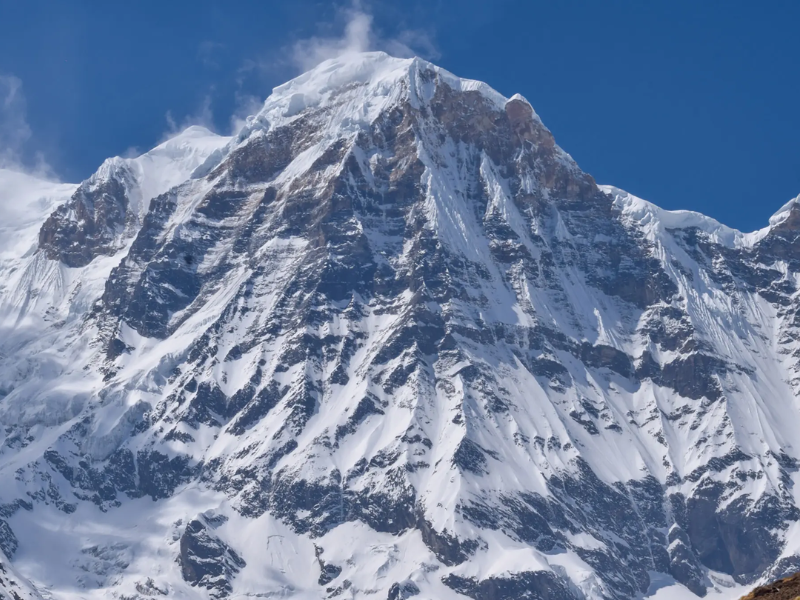
Annapurna: Derived from ancient Sanskrit, Annapurna translates to “Goddess of the Harvests” or “Provider.” The rivers that flow from the Annapurna massif nourish the valleys below, making this mountain a literal and spiritual mother to the region’s people.
-
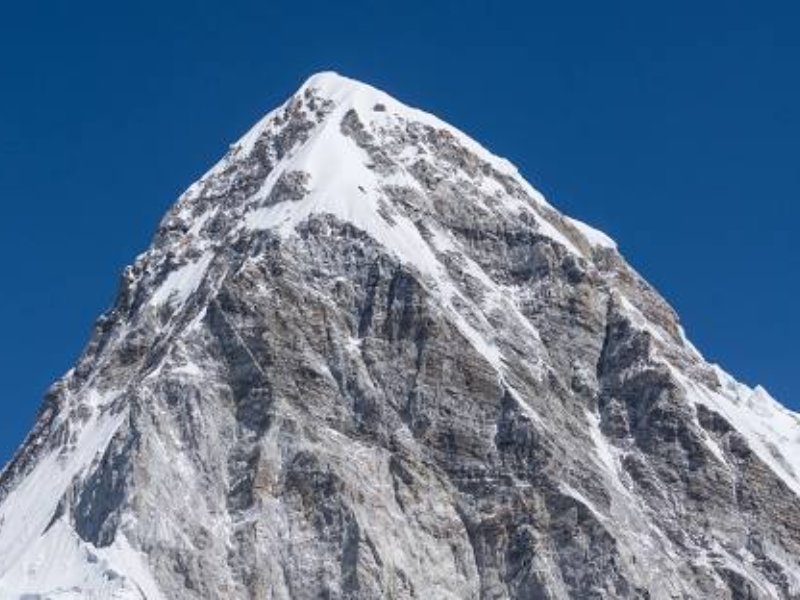
Pumori: Located just a few kilometers west of Mount Everest, Pumori is affectionately known as “Everest’s Daughter.” In the Sherpa language, Pumo means young girl or daughter, and Ri means mountain.
-
Gaurishankar: This beautiful twin-peaked mountain carries deep religious significance. The northern peak is named Gauri, representing the Hindu Goddess and divine feminine energy.
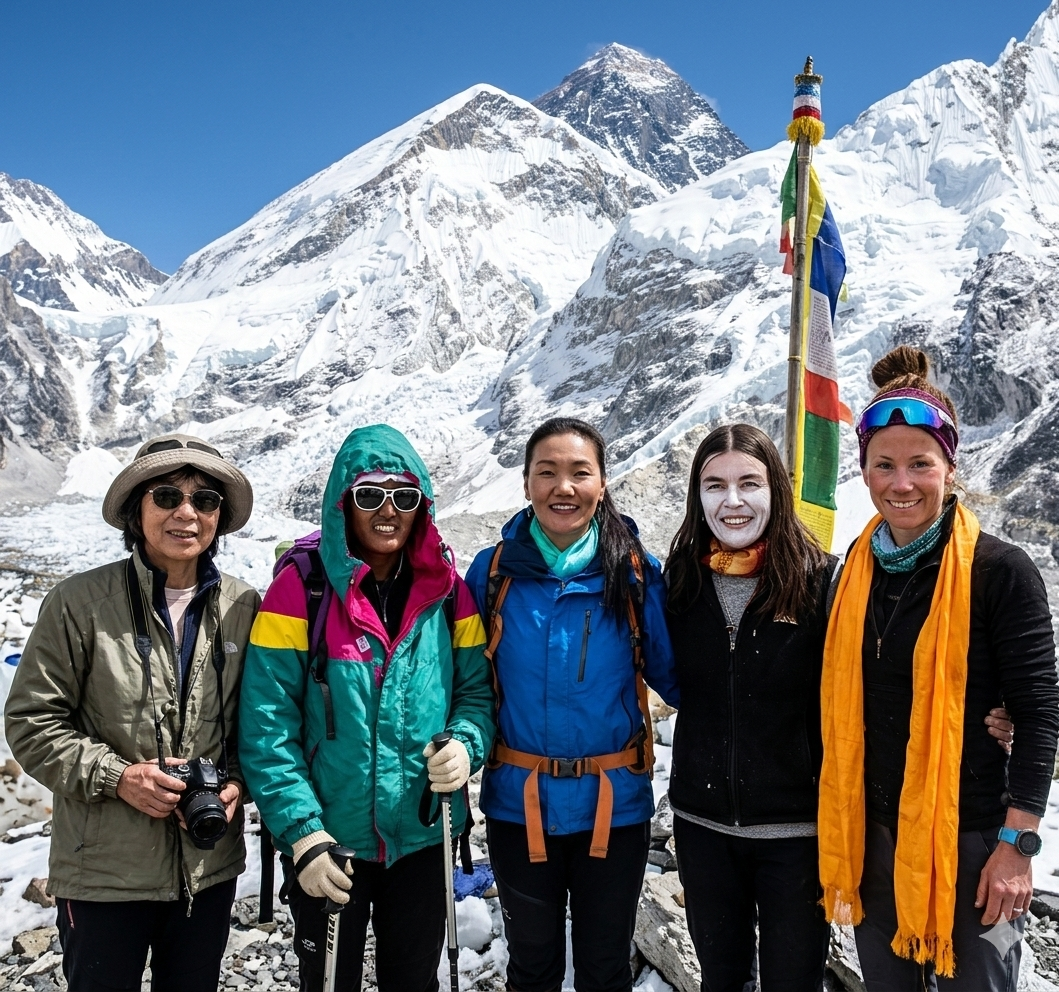
This International Women’s Day, here at Mission Nepal Holidays, we aren’t just looking at the mountains; we are looking at the women who climb them. The Himalayas have long been a arena for heroes, but the narrative is shifting. Today, we celebrate the incredible women—both from Nepal and around the world—who are redefining exploration, breaking social barriers, and proving that the mountains belong to everyone.
The Rise of the Female Mountaineer
Nepal has witnessed a surge in women-led initiatives that are changing the face of adventure tourism. It’s no longer just about reaching the summit; it’s about the journey, the sisterhood, and the message it sends to future generations.
Just last year, we saw history in the making as 12 Nepali women set out on a monumental 100-day trek of the Great Himalayan Trail (GHT) . Led by the renowned mountaineer Maya Gurung, this team of trekking guides embarked on a 1,700 km journey from Taplejung to Darchula. Their mission was twofold: to showcase the raw beauty of Nepal’s 17 Himalayan districts and, more importantly, to encourage other Nepali women to join the tourism industry .
These women, ranging in age from 19 to 45, are not just adventurers; they are pioneers. They are trekking at altitudes reaching 6,100 meters, navigating glaciers, and leading the way to show that “Nepali women are as strong as the mountains” .
Real-Life Heroines to Inspire Your Daughters (and Sons!)
The stories of the mountains aren’t complete without the stories of the incredible women who have explored them. As you walk these family-friendly trails, share the tales of these real-life heroines:
-
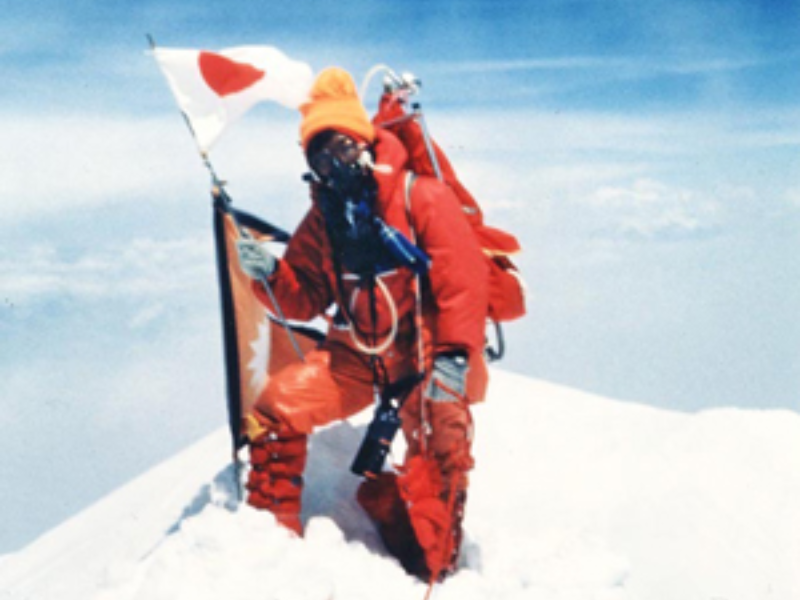
Junko Tabei: The first woman to summit Everest. She proved to the world that with enough determination, no mountain is too high for a woman to climb.
-
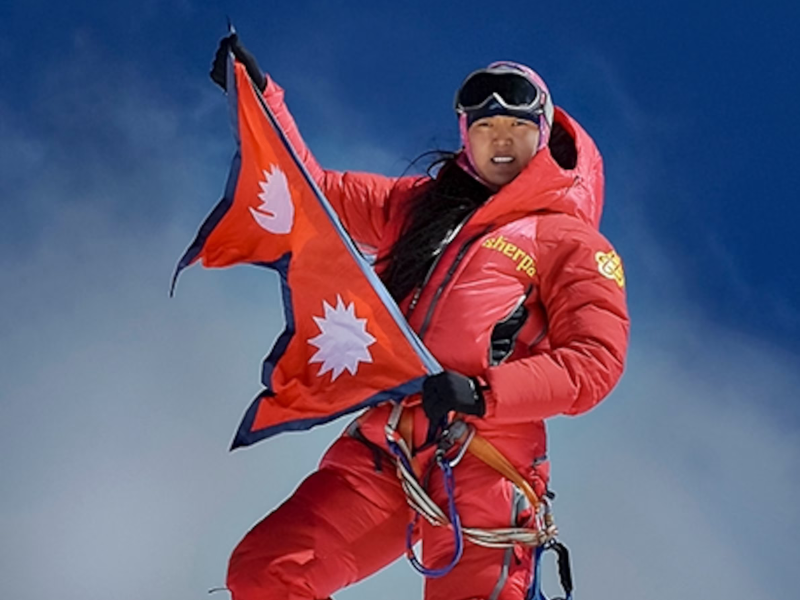
Pasang Lhamu Sherpa: The first Nepali woman to reach the summit of Everest. She faced immense societal pressure but refused to give up on her dream, becoming a permanent symbol of courage in Nepal.
-
Dawa Yangzum Sherpa: Inspiring the modern generation, Dawa Yangzum is the first Nepali woman to earn the prestigious title of International Mountain Guide. She is a powerful role model showing young girls that they don’t just have to follow the trail—they can lead it.
- Wanda Rutkiewicz (Poland): Renowned as one of the greatest female high-altitude mountaineers, she was the first woman to successfully summit K2.
- Kristin Harila (Norway): Set the record in 2023 for the fastest ascent of all 14 eight-thousanders in just 92 days.
A Tapestry of International Sisterhood
The power of women in the Himalayas isn’t limited to Nepali citizens. The mountains have become a melting pot of international collaboration and empowerment.
We recently witnessed the inspiring Hamdali 2025 Expedition, where ten women from Pakistan, Afghanistan, India, Tajikistan, and Nepal came together to summit Yalung Ri (5,630m) . Pakistani sisters Amina and Siddiqa Hanif, hailing from Baltistan, hoisted their national flag high, embodying a spirit of cross-border unity and resilience . This landmark expedition, supported by guides like Luckme Tamang from Nepal and Danika Gilbert from the USA, highlights a beautiful truth: the mountains have no borders, and they amplify the voices of women determined to be heard .
Similarly, the indomitable spirit of our neighbors was on full display when the first-ever Bangladeshi women’s winter expedition braved the harsh conditions of the Langtang region. Led by Nishat Mazumder, the first Bangladeshi woman to summit Everest, they scaled Yala Peak, proving that passion and preparation can conquer even the harshest winters .
Why This Matters for Your Journey
At Mission Nepal Holidays, we believe that travel is a transformative experience. Seeing these women lead treks, guide expeditions, and run lodges changes the dynamic of a journey. When you trek with us, you support a network that includes these incredible female guides.
-
Role Models on the Trail: Whether you are a solo female traveler or a group of friends, seeing women like Maya Gurung or the young guides from the Duluwa Outdoors collective leading the way provides an unmatched sense of safety and inspiration .
-
Cultural Connection: Female guides often offer a deeper, more personal connection to the daily lives of Nepali women, from village life to kitchen rhythms, enriching your experience beyond the mountain views.
This Women’s Day, let’s celebrate the strength, grace, and determination of these mountain women. They are not just climbing peaks; they are paving the way for all of us.
Further Reading:
12 Nepali women set out on a 100-day trek of the Great Himalayan Trail